The National Assembly has passed the National Inland Waterways Authority Repeal and Reenactment Bill 2026, a major reform bringing Nigeria’s inland waterways law in line with the Constitution and a Supreme Court judgment delivered earlier this year in a dispute between Lagos State and the federal government.
The Supreme Court had ruled in May that the federal government could only regulate inland waterways falling within its constitutional powers, invalidating provisions of the existing law that gave the federal government broader authority than the Constitution allows. The new legislation defines the specific areas where the National Inland Waterways Authority has jurisdiction, removes the sections struck down by the court, and aims to eliminate areas of conflict between federal and state governments over control of inland waterways, while encouraging greater private investment in water transportation and strengthening provisions on navigation safety and environmental protection.
The court’s ruling found that sections of the original law were unconstitutional to the extent that they let the federal government control lands adjoining waterways for purposes unrelated to navigation and maritime activity, following a case that saw the panel led by Justice Mohammed Lawal Garba rule against the government’s expanded interpretation of its powers, with Senior Advocates including Babatunde Raji Fashola, Olasupo Shasore and Muiz Banire representing Lagos State.
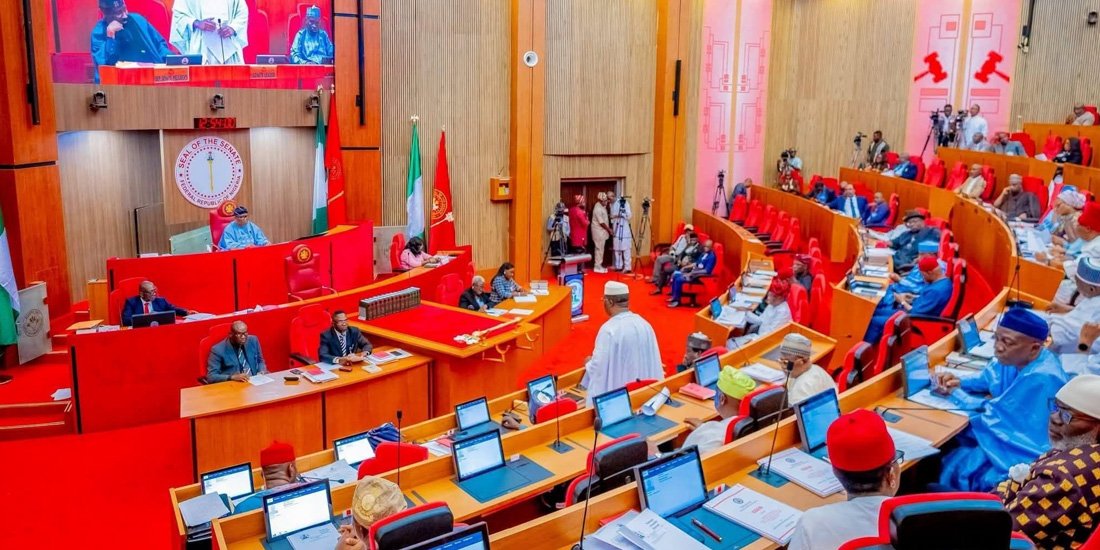
Senate President Godswill Akpabio described the new law as a major milestone that would open economic opportunities for states and private investors while reducing the recurring conflicts over waterway control, expressing hope it would help cut down on frequent boat accidents recorded across the country. The bill will now be transmitted to President Bola Tinubu for assent.
Before proceeding on recess, the Senate also passed amendments expanding the judicial structure of the Federal Capital Territory to speed up the dispensation of justice, and approved changes to the National Tobacco Control Act aimed at tightening regulation of tobacco and related products, with Akpabio linking stricter enforcement to reducing smoking related illness among young people.
The Senate also approved recommendations from its ad hoc committee on the planned National Security Summit, scheduled for September 21 to 23, 2026, themed around strengthening Nigeria’s security architecture through innovation and collaboration. Senate Leader Opeyemi Bamidele said the summit would build on zonal consultations held across the six geopolitical zones in late 2025, with President Tinubu expected to declare the event open. The Senate subsequently adjourned for its annual recess and is scheduled to resume plenary on September 15, 2026.