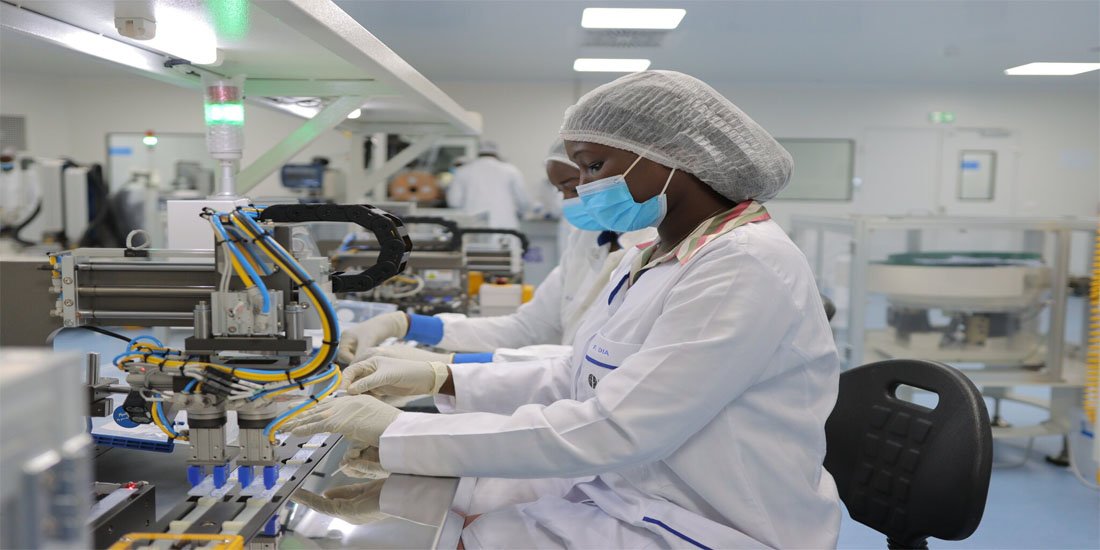
The Guild of Medical Laboratory Directors of Nigeria has called for stronger domestic production of diagnostic products, warning that the country’s dependence on imported reagents, consumables and equipment continues to export jobs and weaken health-system resilience.
National President Sam Fele said Nigeria needed to move from import dependence towards what he described as diagnostic sovereignty.
Speaking at the Guild’s annual scientific conference and general meeting in Abuja, Fele said domestic manufacturing alone would not be enough.
He argued that Nigeria needed an integrated system connecting research, innovation, manufacturing, regulation, quality assurance, distribution, laboratories, healthcare providers, patients and health data.
The conference was themed “From Diagnostic Sovereignty to Market Readiness.”
Fele said the country must also create a viable commercial market for locally produced diagnostic products if domestic manufacturing is to succeed.
He said medical laboratories should be central to the transformation because diagnosis is fundamental to healthcare, disease surveillance and public-health decision-making.
The Federal Government also backed the call for stronger local capacity.
Minister of State for Health and Social Welfare Iziaq Salako, represented by an official of the ministry’s Medical Laboratory Services Division, said diagnostic sovereignty should include technology transfer, research, effective regulation, procurement reform and strategic partnerships.
The government said diagnostics should be treated as a strategic national asset rather than simply a commodity purchased after disease outbreaks occur.
Renowned virologist Oyewale Tomori separately raised concern about delays in Nigeria’s efforts to establish local vaccine manufacturing.
Tomori, chairman of Biovaccines Nigeria Limited, said the country had spent many years attempting to revive domestic vaccine production without achieving the progress he believed was necessary.
He attributed some delays to vested interests and institutional resistance.
Those allegations reflect Tomori’s assessment and were not independently established in the material supplied.
He nevertheless expressed optimism that sustained cooperation among government, researchers and private-sector partners could accelerate local manufacturing.
Speakers at the conference also stressed the need for strict quality standards in areas such as blood screening and transfusion.
The broader message was that Nigeria’s health-security strategy would remain vulnerable until domestic capacity expands across diagnostics, vaccines, laboratory systems and related technologies.