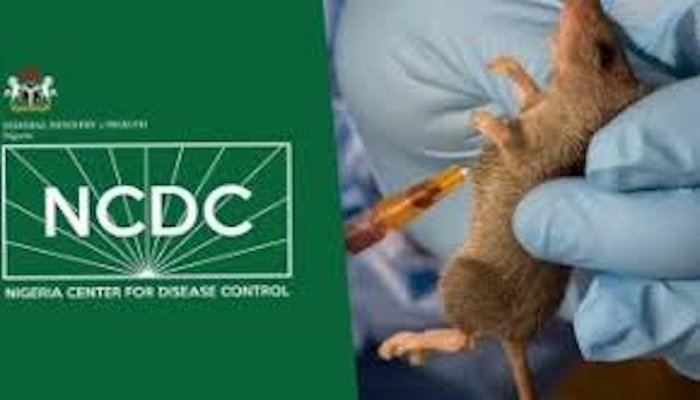
The Nigeria Centre for Disease Control and Prevention (NCDC) has reported a surge in fatalities from Lassa fever, with 167 deaths and 663 confirmed cases recorded across Nigeria in the first three months of 2026.
In its latest epidemiological update released, the agency warned that although new infections are declining, the case fatality rate has risen sharply to 25.2 percent, significantly higher than the 18.5 per cent recorded during the same period in 2025.
According to the report, the outbreak has spread to 22 states and 93 local government areas, with Bauchi State, Ondo State, Taraba State, Edo State and Benue State accounting for 85 per cent of confirmed cases. Bauchi leads with 28 percent of infections, followed by Ondo (22 per cent) and Taraba (18 per cent).
Despite the rising death toll, the NCDC noted a drop in weekly infections. Between March 23 and 29 (epidemiological week 13), confirmed cases fell to 26, down from 51 recorded in the previous week. New infections during the period were reported in Edo, Bauchi, Ondo, Taraba, Ebonyi, Benue and Kaduna states.
The agency stated that young adults aged 21 to 30 remain the most affected group, although cases have been recorded across a wide age range, from one to 90 years. It added that infection rates are slightly higher among males, with a male-to-female ratio of 1:0.8.
While no new infections were recorded among healthcare workers during the week under review, the NCDC noted that overall suspected and confirmed cases remain higher than figures reported at the same time last year.
To contain the outbreak, the agency said it has activated a national multi-partner incident management system, intensified contact tracing, and deployed rapid response teams to high-burden states.
The NCDC attributed the rising fatality rate to factors including late presentation of cases, poor health-seeking behaviour driven by treatment costs, and low awareness in affected communities. It urged state governments to strengthen public awareness campaigns and called on healthcare workers to maintain strict infection prevention and control measures.