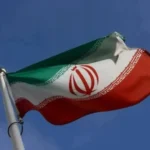
Tensions between Iran and the United States escalated on Monday after both countries rejected key conditions for proposed peace negotiations aimed at ending the ongoing Middle East conflict.
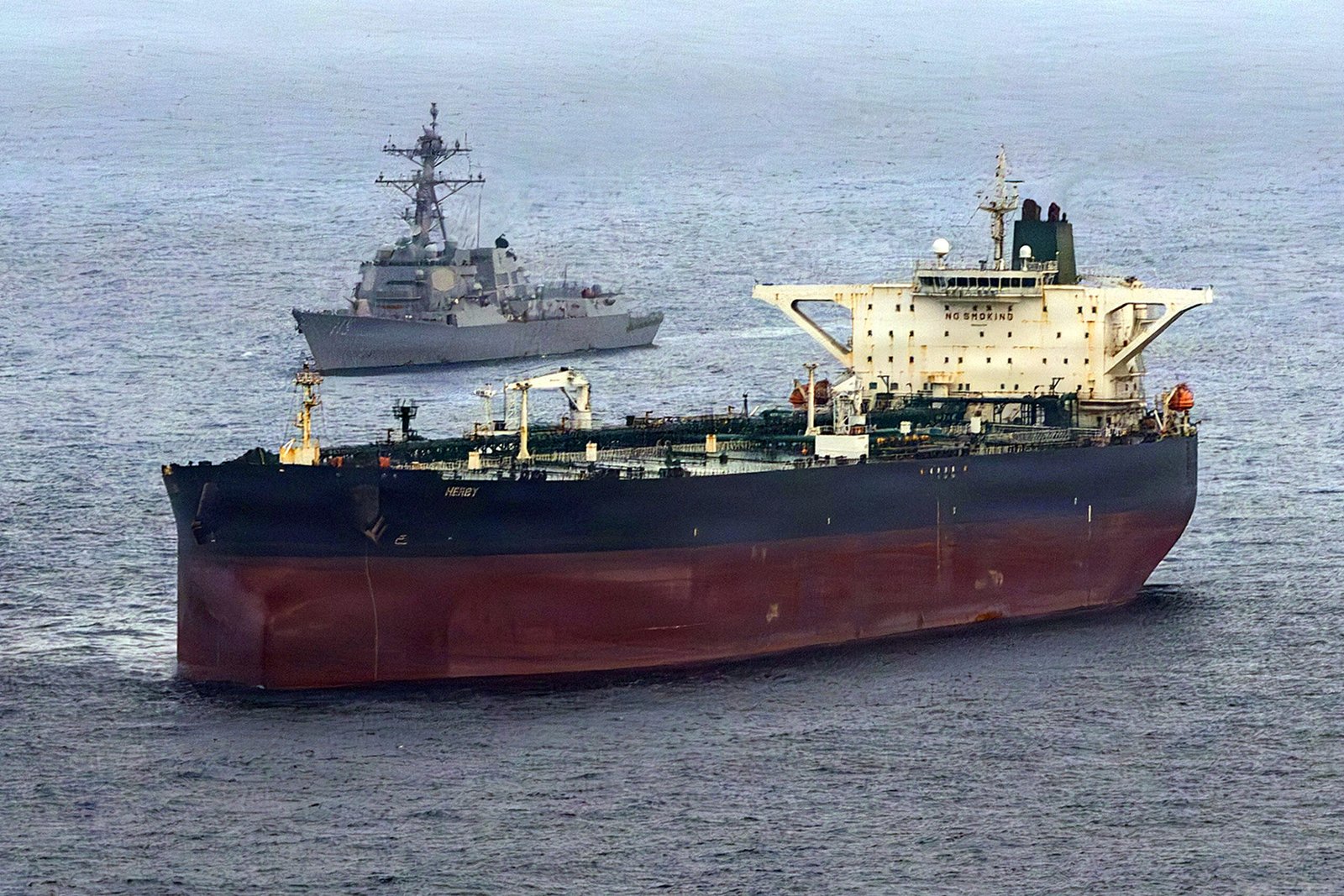
The diplomatic deadlock has heightened fears of renewed confrontation in the Gulf region, weakened prospects for reopening the strategic Strait of Hormuz to commercial shipping, and triggered a rise in global oil prices.
According to Iranian officials, Tehran demanded the release of its frozen overseas assets and an end to what it described as a US naval blockade of its ports as part of conditions for talks.
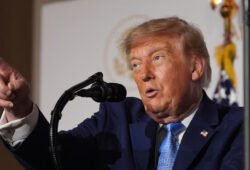
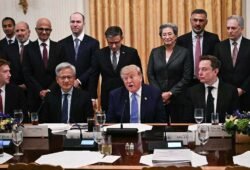
The latest standoff followed an angry response from US President Donald Trump, who dismissed Iran’s counterproposal for negotiations as “totally unacceptable” in a social media post.
The disagreement unsettled global energy markets, with Brent crude oil prices reportedly rising by more than four percent during early trading in Asia.
Iran’s Foreign Ministry spokesman, Esmaeil Baqaei, said Tehran also requested an end to military actions across the region, including Israeli operations targeting Hezbollah in Lebanon.
Baqaei stressed that Iran’s key demand was the release of assets frozen in foreign banks, which he described as funds belonging to the Iranian people.
“We did not demand any concessions. The only thing we demanded was Iran’s legitimate rights,” he told reporters.
Analysts say Iran’s demands go beyond restoring conditions that existed before the conflict began on February 28 and could significantly weaken Washington’s economic leverage over Tehran.
The dispute also comes amid longstanding tensions over Iran’s nuclear programme. The United States, Israel, and their allies have repeatedly accused Iran of pursuing nuclear weapons capability, an allegation Tehran has consistently denied.
The continued impasse has raised concerns over regional stability and the possibility of prolonged disruption to global energy supplies.