Iran has set sweeping conditions for the full reopening of the Strait of Hormuz, demanding an end to the war, the withdrawal of US forces from the region and financial compensation from Washington.
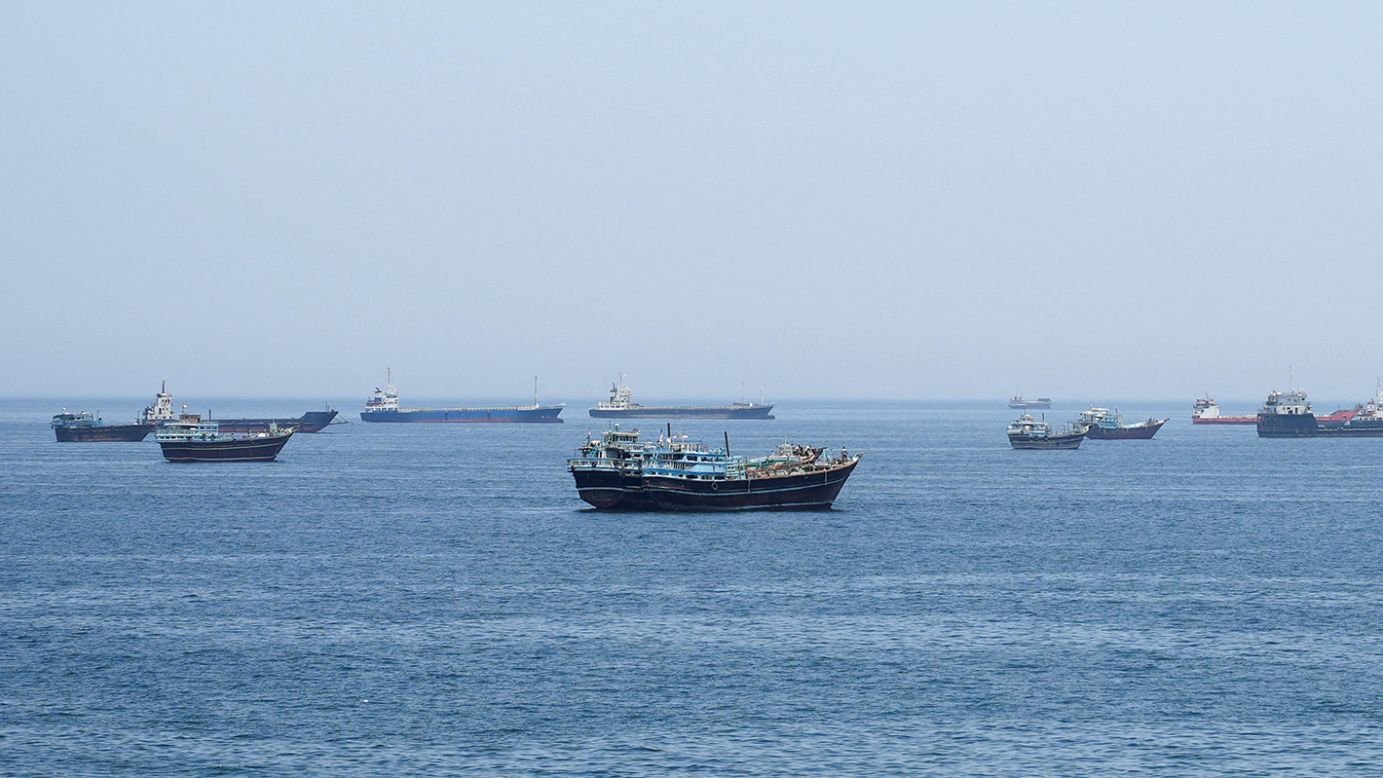
The development comes amid diplomatic efforts involving Iran and Oman to reach an arrangement that would restore navigation through the strategic waterway, a critical corridor for global oil and liquefied natural gas shipments.
Secretary of Iran’s Supreme National Security Council, Mohammad Bagher Zolghadr, said normal shipping would not resume until the United States meets Tehran’s demands.
Iran’s Islamic Revolutionary Guard Corps (IRGC) similarly maintained that reopening the waterway would depend on Washington accepting the country’s conditions, rather than solely on negotiations with Oman.
Tehran’s demands reportedly include an end to the war, termination of the naval blockade, withdrawal of US forces from the region, removal of sanctions, release of frozen Iranian assets and compensation for damages suffered during the conflict.
The demands have complicated efforts to reach an immediate agreement on maritime navigation, turning the issue into a broader diplomatic bargaining process over the conflict.
Oman Warns Against Further Attacks
Oman, which has played a key mediating role, has indicated that progress has been made in discussions but warned that continued attacks on commercial vessels could undermine the negotiations.
The concerns intensified after the United Arab Emirates accused Iran of firing a missile at an oil tanker operated by the Abu Dhabi National Oil Company (ADNOC) while the vessel was transiting the Strait of Hormuz.
The UAE condemned the reported incident. No casualties were reported.
The Strait of Hormuz links the Persian Gulf with the Gulf of Oman and the Arabian Sea and is one of the world’s most important energy chokepoints. Prolonged disruption to shipping through the waterway could affect crude oil and gas supplies, freight costs, insurance premiums and global energy prices.
US Weighs Exit Strategy
The developments also come amid reports that senior US military officials are considering options for preventing further escalation of the conflict.
US Chairman of the Joint Chiefs of Staff, General Dan Caine, has reportedly expressed concerns in private discussions about the need for an exit strategy, amid fears that further military escalation could produce unintended consequences.
Washington faces the challenge of maintaining pressure on Tehran while avoiding a wider regional confrontation that could involve additional Middle Eastern countries and further destabilise global energy markets.
Regional Security Alliances Shift
The conflict has also coincided with changes in the Middle East’s security landscape.
Saudi Arabia, Türkiye and Pakistan recently signed a mutual defence agreement in Mecca under which an attack on one of the three countries would be treated as an attack on all.
Turkish Foreign Minister Hakan Fidan, however, said the agreement was not directed against Iran.
Meanwhile, Iranian state media released undated footage of Supreme Leader Mojtaba Khamenei, his first reported public appearance since succeeding his father as Iran’s highest political and religious authority. The timing of the recording was not disclosed.
In another development, Yemeni forces announced a military operation targeting the Iran-backed Houthi movement, adding to concerns that the conflict could spread to additional theatres across the region.
Strait Remains Key to Global Markets
Despite signs of progress in the Iran-Oman talks, Tehran’s insistence on major political, military and economic concessions from Washington has raised doubts about how quickly normal shipping can resume.
With the Strait of Hormuz serving as a major artery for global energy supplies, markets are closely watching the negotiations.
The outcome could determine not only the future of maritime traffic through the waterway but also whether the wider conflict moves towards de-escalation or enters a more dangerous phase of confrontation.