Iran has proposed ending its chokehold on the Strait of Hormuz in exchange for the United States lifting its naval blockade and ending the war, in a proposal relayed through Pakistan that would defer negotiations on Tehran’s nuclear programme to a later date, raising cautious hopes of a diplomatic breakthrough even as significant obstacles to a settlement remained in place.
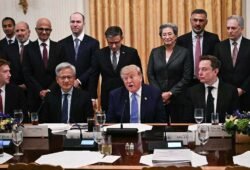
Two regional officials with knowledge of closed-door negotiations between Iranian and Pakistani officials confirmed the proposal, speaking on condition of anonymity. The White House acknowledged receiving it, with Press Secretary Karoline Leavitt saying President Donald Trump’s national security team had met to discuss Iran’s offer but offering no indication of how it had been received or when Trump would respond.
The proposal carries high stakes for global energy markets. The Strait of Hormuz, through which approximately a fifth of the world’s traded oil and liquefied natural gas passes in normal times, has been effectively closed since the onset of hostilities, driving oil prices sharply higher and generating mounting economic pressure on nations dependent on the waterway for energy imports and exports.
Brent crude, the global benchmark, rose over 3 percent to just under $109 a barrel, continuing a surge of more than 10 percent since Trump extended a fragile ceasefire the previous week. The closure of the strait had already driven up the prices of fertiliser, food, and basic goods across multiple continents, with analysts warning that a prolonged shutdown could have far-reaching supply chain consequences.
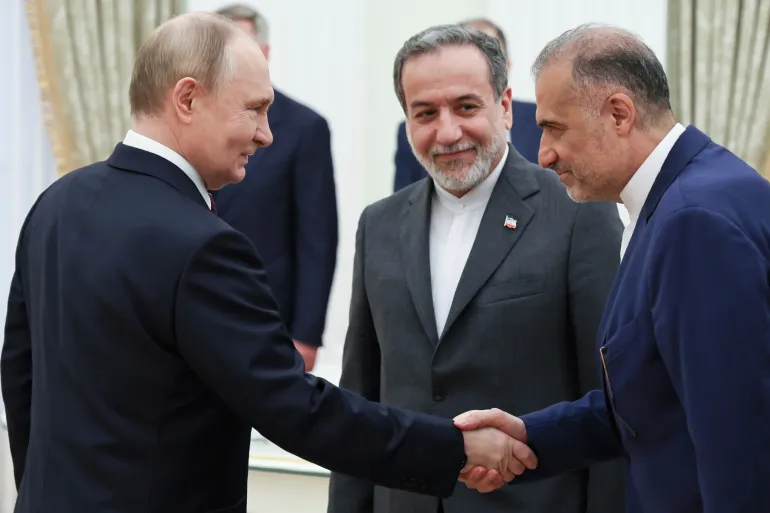
Iranian Foreign Minister Seyed Abbas Araghchi, who also visited Russia to consult with Moscow on the conflict, posted on social media that Tehran was engaged in discussions with regional neighbours on ways to ensure safe transit through the waterway that would benefit all parties. He arrived in St. Petersburg for meetings with Russian President Vladimir Putin as diplomatic activity intensified.
The United States naval blockade was designed to cut off Iranian oil exports, depriving Tehran of crucial revenue while also threatening to create storage constraints that could force the country to curtail production. Iran had responded by effectively closing the strait to commercial traffic, laying mines, and seizing or attacking vessels attempting passage, creating a massive backlog of idle ships and raising fears of energy shortages across regions heavily dependent on Gulf exports.
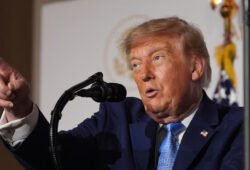
Trump, however, appeared unlikely to accept the Iranian proposal in its current form, which would leave unresolved the fundamental disagreements over Iran’s nuclear programme that he had cited as a central justification for launching military operations on February 28. The president reiterated publicly that he was in no hurry to conclude a deal with Tehran, insisting he had all the time in the world.Financial analysts cautioned against reading too much into diplomatic signals without concrete implementation evidence. Oil traders were described as waiting for credible and verifiable evidence of de-escalation rather than reacting to a fragile and potentially reversible ceasefire arrangement. The surge in energy costs had increased fuel prices at the pump globally, with concerns mounting about how much further global energy bills could rise if the conflict continued without resolution.