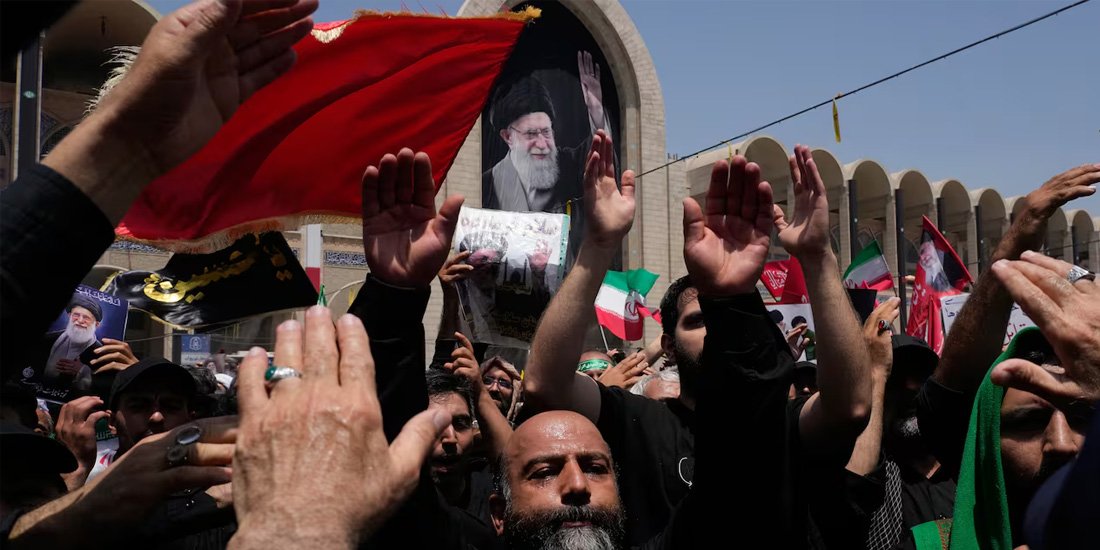
Iran on Saturday commenced several days of public funeral ceremonies for its slain Supreme Leader, Ali Khamenei, as thousands of mourners gathered in Tehran, chanting calls for revenge while regional tensions and diplomatic efforts involving the United States continued to unfold.
Crowds dressed largely in black assembled at the Imam Khomeini Grand Mosalla prayer complex, where mourners beat their chests and paid tribute to Khamenei. Iranian authorities expect between 15 and 20 million people, alongside foreign dignitaries and religious leaders, to participate in the funeral ceremonies over the coming days.
Senior Iranian officials, including President Masoud Pezeshkian, Foreign Minister Abbas Araghchi and Parliament Speaker Mohammad Bagher Ghalibaf, attended the opening ceremony. Delegations from organizations including Hamas and Hezbollah were also present.
Security was significantly tightened during the ceremonies amid concerns over possible attacks on senior Iranian officials following recent comments by Israeli Defence Minister Israel Katz suggesting that Khamenei’s successor remained a potential target.
US-Iran Talks Resume After Funeral Pause
Despite the national mourning period, indirect negotiations between Washington and Tehran have gained renewed momentum after a temporary suspension to allow for the funeral rites.
The latest round of talks, mediated by Qatar in Doha, focused on sustaining a recently announced 60-day ceasefire while laying the groundwork for broader discussions on Iran’s nuclear programme and regional security.
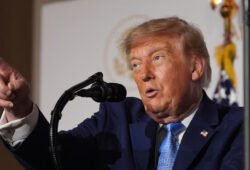
Speaking during Independence Day celebrations in the United States, President Donald Trump expressed optimism about the negotiations.
“Iran is dying to settle,” Trump said, adding that the United States agreed to pause discussions during the funeral period.
Qatari Foreign Ministry spokesperson Majed Al-Ansari described the negotiations as constructive, saying progress had been made on several outstanding issues and preparations were underway for another round of talks once the funeral ceremonies conclude.
Trump, Netanyahu to Meet
Meanwhile, Trump and Israeli Prime Minister Benjamin Netanyahu have agreed to meet in Washington in the coming days to discuss regional security and other bilateral matters.
According to reports, the two leaders continue to differ on the best approach toward Iran, with Netanyahu favouring sustained military pressure while Trump has increasingly advocated diplomacy as the preferred path to preventing a broader regional conflict.
Israeli officials also dismissed reports suggesting Israel planned to assassinate Iranian negotiators involved in the ongoing talks, describing the claims as fabricated.
Iran Warns UK, France Over Strait of Hormuz
As diplomatic efforts continue, tensions also escalated in the Persian Gulf after Iran warned the United Kingdom and France against deploying military assets to the Strait of Hormuz.
The warning followed announcements by British Prime Minister Keir Starmer and French President Emmanuel Macron indicating their willingness to support a multinational mission aimed at safeguarding commercial shipping through the strategic waterway.
Iran’s Deputy Foreign Minister, Kazem Gharibabadi, warned that any foreign military deployment in the strait would be unacceptable.
“As a responsible power and guarantor of the Strait’s security, Iran warns against any military movement in this waterway. The security of Hormuz lies with the coastal states,” he said.
His remarks came as commercial shipping through the Strait of Hormuz experienced renewed disruptions, with tracking data indicating that several vessels either turned back or abandoned planned transit through the strategic maritime corridor amid heightened security concerns.
The latest developments underscore the fragile balance between diplomacy and escalating regional tensions as negotiations continue alongside heightened military alertness across the Middle East.