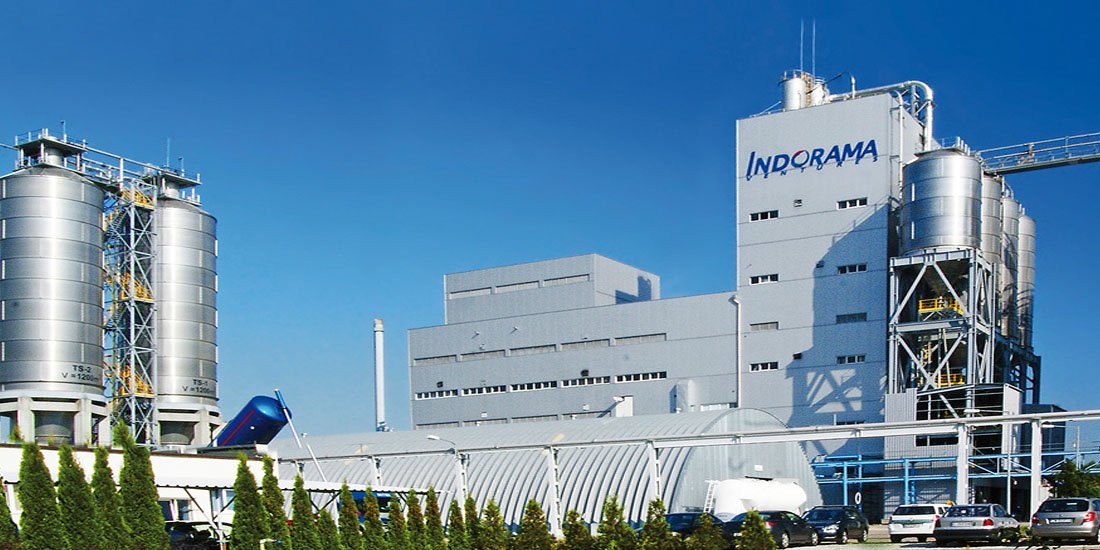
Indorama Eleme Petrochemicals has announced a new phase of investment in gas treatment, polymers and methanol as industry stakeholders press for greater domestic processing of Nigeria’s hydrocarbon resources.
The company outlined its plans at the seventh International Midstream and Downstream Oil and Gas Conference in Port Harcourt.
Indorama is expected to begin work on a third gas terminal and treatment unit in the fourth quarter of 2026, with completion targeted for 2029.
A cracker debottlenecking and new polymer project is scheduled to begin in the first quarter of 2027 and run through 2030.
The company also plans a 1.75 million tonne per year methanol plant beginning in the third quarter of 2027, with additional capacity expected through 2031.
Indorama Managing Director Manish Mundra said the investments reflected a strategy of converting more of Nigeria’s gas resources into higher value products rather than exporting hydrocarbons in raw form.
He said petrochemicals remained essential to fertilizers, polymers, packaging and industrial chemicals.
Indorama currently produces about 33.8 million tonnes of products globally, including around 10.3 million tonnes in Africa.
The group is also a major producer of PET, synthetic gloves and fertilizers.
Mundra said the company expected to become the world’s third largest fertilizer producer by around 2029 or 2030.
Nigeria LNG Managing Director Adeleye Falade said local content policy needed to move beyond local intermediaries toward actual manufacturing.
He urged the industry to develop Nigerian made valves, compressors, cables and other equipment that are still largely imported.
Falade also advocated shared industrial infrastructure similar to Singapore’s Jurong Island model, where companies use common utilities and services to reduce costs.
Nigerian Gas Infrastructure Company Managing Director Audu Ibrahim said reliable gas supply would be critical to the growth of petrochemicals.
He highlighted the expanding African fertilizer market and said Nigeria needed adequate gas volumes, infrastructure, quality, economic viability and supply certainty.
The Nigerian Midstream and Downstream Petroleum Regulatory Authority said it was pursuing reforms aimed at improving gas market transparency and access to infrastructure.
The regulator also highlighted digital licensing platforms, open access to transportation infrastructure and investment opportunities in pipelines, storage, processing and modular petrochemical plants.
Industry participants said the central challenge was to turn Nigeria from a raw resource exporter into an industrial economy that captures more value from gas, petrochemicals and manufacturing.