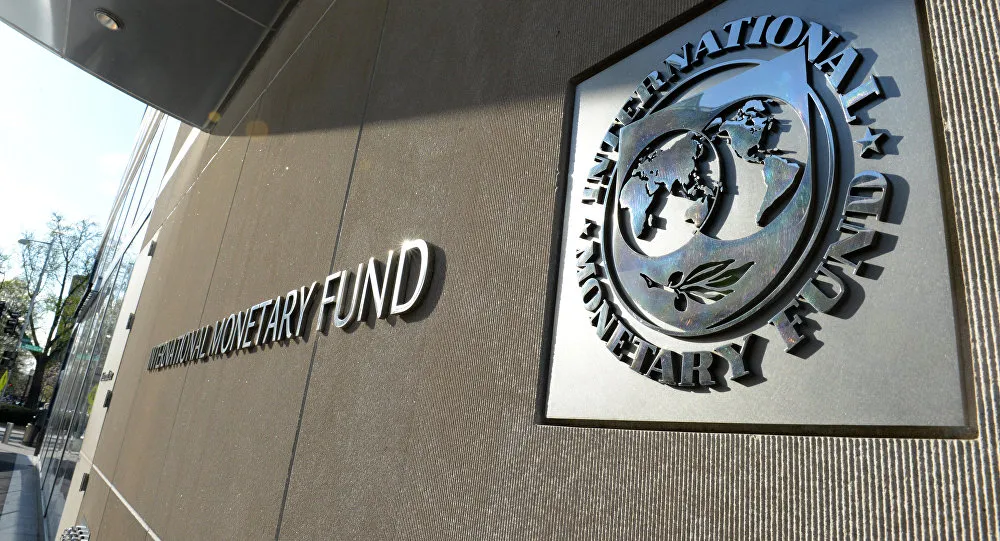
The International Monetary Fund has issued a pointed warning to Nigeria and other Sub-Saharan African economies that their current growth trajectories are dangerously inadequate, projecting that without fundamental structural reform, per capita incomes in the region could take nearly half a century to double.
In its latest Regional Economic Outlook for Sub-Saharan Africa, titled “Africa Needs a Growth Reset,” the fund argued that the model of growth built on government spending, commodity booms, and debt-financed expansion had reached its limits. Rising debt burdens, expensive borrowing costs, and declining development assistance had exposed the vulnerability of strategies that relied too heavily on the state as the primary engine of economic activity.
The report called for a decisive shift toward private sector-led growth, supported by broad structural reforms in governance, business regulation, and market openness. It identified these three areas as the ones where Sub-Saharan Africa lagged most significantly behind frontier emerging markets, and argued that addressing them could lift regional output by around 20 percent within a decade.
The fund was particularly pointed about the condition of state-owned enterprises, especially those in energy and transport. It argued that when tariffs are kept below cost-recovery levels, cash flow deteriorates, maintenance is deferred, and investment stalls, producing what it described as a familiar drag on growth: unreliable and expensive services for both businesses and households.
On trade, the IMF recommended accelerating the harmonisation of rules under the African Continental Free Trade Area to expand market access and reduce the fragmentation that limits the competitiveness of African producers in global markets.
The report acknowledged that reform strategies would need to be tailored to national circumstances. Countries with stronger institutions could move faster with broader packages, while fragile states might need to focus first on core governance reforms and early wins that build trust. Resource-rich economies were urged to prioritise transparency and sound revenue management to ensure natural wealth translates into broad-based development rather than concentrated gains.
The IMF framed the choice facing policymakers in stark terms: press ahead with well-sequenced, inclusive reforms now, or risk another decade of missed economic convergence. With debt levels elevated, aid declining, and global headwinds intensifying, the window for decisive action, the fund warned, was narrowing.