The federal government has rejected media reports and civil society commentary that characterised findings from the World Bank’s latest Nigeria Development Update as evidence of widespread revenue diversion or hidden spending within the country’s fiscal system, insisting that the interpretations fundamentally misrepresent the nature of the deductions in question.
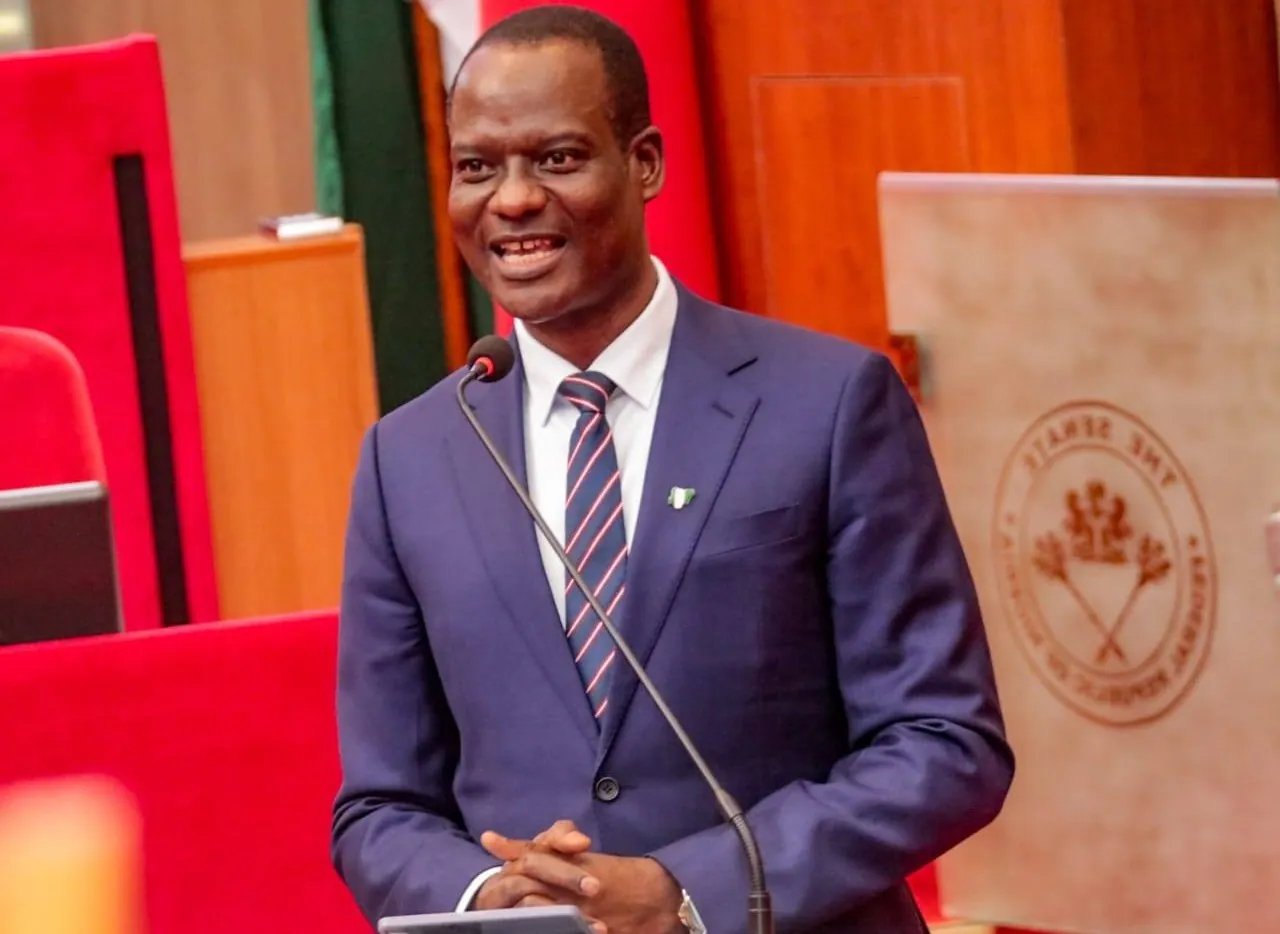
Minister of State for Finance Dr. Taiwo Oyedele issued a statement pushing back on the narrative, arguing that critics had selectively extracted one aspect of the World Bank’s analysis while ignoring its broader, more positive assessment of Nigeria’s economic trajectory and the ongoing public financial management reforms highlighted in the document.
The World Bank’s report had raised concerns about Nigeria’s fiscal framework, noting that over N34.53 trillion was removed from federation revenue over the past three years through pre-distribution deductions before funds reached the Federation Account for distribution to the three tiers of government. Total federation revenue rose sharply to approximately N84 trillion between 2023 and 2025, but the Bank observed that about 41 percent of that figure did not reach the account for distribution, with deductions classified as first-line charges rising from N6.22 trillion in 2023 to nearly N15 trillion by 2025.
The report prompted sharp responses from several quarters. ActionAid Nigeria called for an urgent forensic audit of Nigeria’s revenue management system, describing the scale of pre-distribution deductions as evidence of systemic weaknesses in public financial management. Former Labour Party presidential candidate Peter Obi also weighed in, describing the situation as a reflection of deep-rooted challenges in public finance administration that continued to undermine spending on healthcare, education, and infrastructure.
Oyedele countered that critics had incorrectly characterized Federation Account Allocation Committee deductions as waste or missing funds, when in fact they encompassed a range of legitimate fiscal flows including statutory transfers, savings and investments, security-related expenditures, cost-of-collection charges, refunds to ministries and agencies, and transfers benefiting subnational governments.
“It is important to emphasize that refunds and transfers to states and other tiers of government are not leakages. They represent legitimate fiscal flows, including repayments of obligations and statutorily backed allocations,” he said.
He also noted that the World Bank report explicitly acknowledged reforms implemented in early 2026, including a newly signed Executive Order to safeguard remittance of petroleum revenues, as measures already addressing transparency concerns around deductions. The Bank estimated these reforms would improve revenues available to all tiers of government by approximately 0.4 percent of GDP annually.
Oyedele stressed that the broader message of the World Bank’s assessment was positive and forward-looking, pointing to growth becoming more broad-based across sectors, declining inflation driven by deliberate policy action, a strengthened external position with improved reserves and a current account surplus, and an improvement in debt indicators including a decline in the debt-to-GDP ratio for the first time in over a decade.
He urged stakeholders, media organizations, and the public to engage responsibly with fiscal information and avoid distorted interpretations that could undermine reform efforts and erode public confidence in Nigeria’s economic outlook.