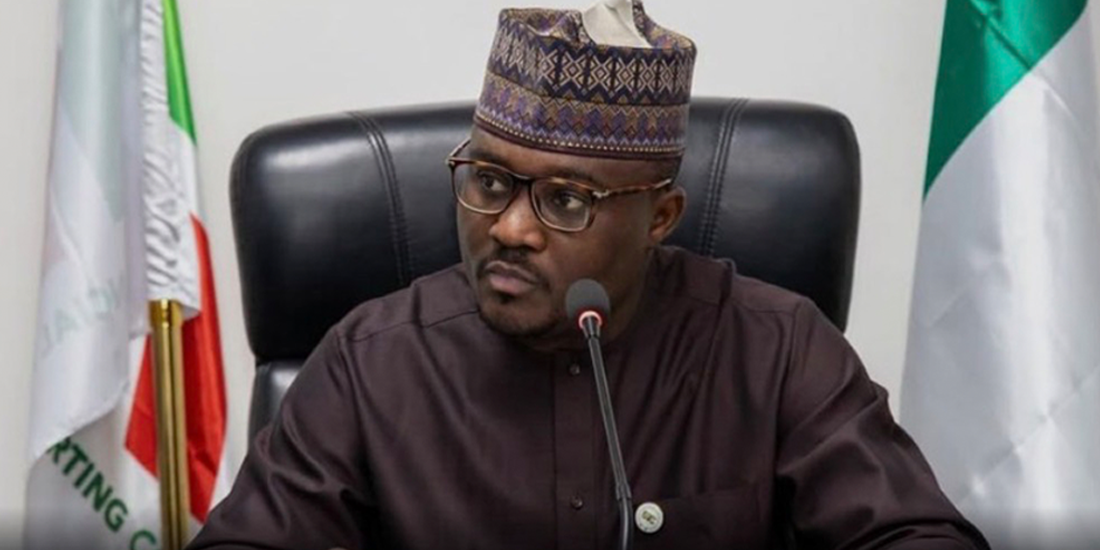
Financial Reporting Council Executive Secretary Dr. Rabiu Olowo has argued that Nigeria and Africa’s developmental trajectory would ultimately be determined by the quality of their institutions, governance systems, and financial reporting frameworks rather than the abundance of their natural resources or the size of their populations, delivering a keynote at Nnamdi Azikiwe University’s international accountancy conference that drew historical parallels between countries that succeeded economically and those that did not.
Olowo said history offered numerous examples of resource-rich nations that had failed to achieve sustainable development while relatively resource-poor countries had transformed themselves into economic powerhouses through effective institutions, sound governance, strategic human capital investment, and commitment to transparency and accountability. He said the lesson from those contrasts was unambiguous: institutions drove outcomes, and without credible financial information, markets became inefficient, capital was misallocated, and investor confidence eroded.
He said Africa faced an annual infrastructure financing gap running into tens of billions of dollars, as estimated by the African Development Bank, and that closing that gap required substantial private sector participation and international investment that would only materialize in environments where transparency, accountability, and confidence in financial reporting were firmly established. He described accounting, governance, technology, and sustainability as interconnected disciplines that could no longer be treated as separate professional domains operating in isolation.
Nnamdi Azikiwe University Vice Chancellor Professor Ugochukwu Anyaehie used the occasion to announce plans to establish a separate Faculty of Accountancy within the university, describing the conference as evidence of the department’s growing academic profile and regional influence.