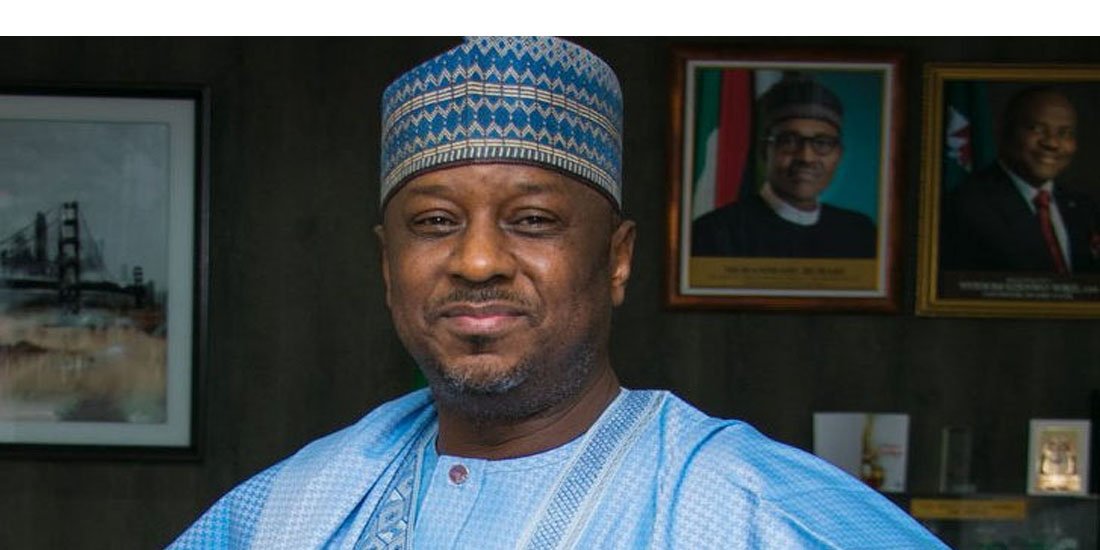
Former Port Harcourt Refining Company Managing Director Ahmed Dikko appeared before the Federal High Court in Abuja to face a 12 count money laundering charge filed by the Economic and Financial Crimes Commission, pleading not guilty alongside co defendant Masterpiece Projects and Investment Ltd.
The charge accuses Dikko of using about N218.4 million to acquire property in the Katampe extension of Abuja without routing the funds through a financial institution, in violation of the Money Laundering Prevention and Prohibition Act 2022. After his not guilty plea, prosecution counsel Ekele Iheanacho asked the court to fix a trial date, while defence counsel Ikechukwu Ajunwa applied for bail, arguing Dikko had complied with the conditions of an earlier administrative bail granted by the EFCC and posed no risk of interfering with the trial or absconding. The prosecution urged the court to deny bail, citing grounds laid out in its counter affidavit, but trial judge Justice Inyang Ekwo granted bail anyway, ruling that bail is a constitutional right and that sufficient grounds must be shown before it can be denied.
Ekwo set bail at N150 million with one surety in the same amount, requiring the surety to own landed property within the court’s jurisdiction, submit title documents for verification by the court registrar, and be a person of good standing. The judge also ordered Dikko to deposit his international passport with the court and barred him from travelling outside Nigeria without the court’s permission, before adjourning the matter to October 12, 13 and 14 for trial. The arraignment follows separate charges the EFCC filed roughly two weeks earlier against Dikko and former Warri Refining and Petrochemical Company Managing Director Jimoh Yisawu over the alleged diversion of funds released for rehabilitating the country’s state owned refineries. Dikko is further accused of receiving and retaining funds from contractors engaged by the Nigerian National Petroleum Company, concealing the source of some of that money through third parties, and carrying out transactions that allegedly breached the Money Laundering Act.