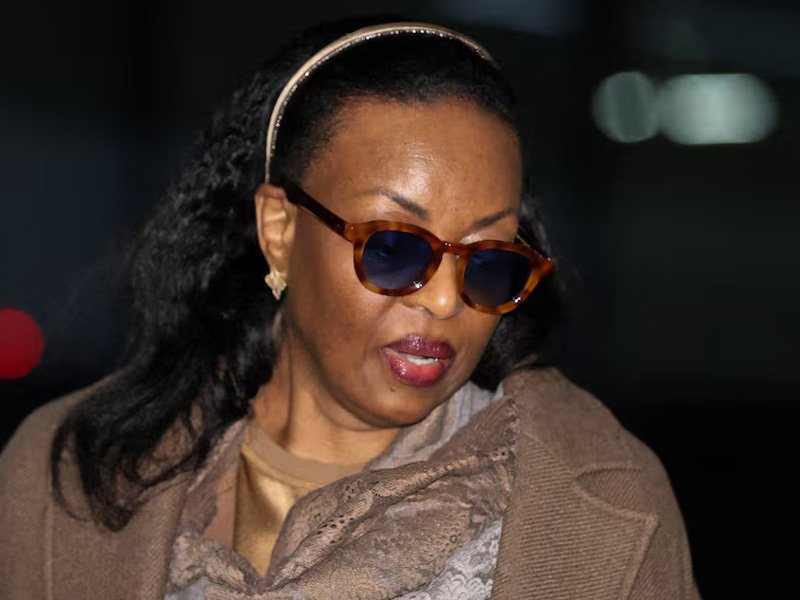
The defence case in the London corruption trial of former Nigerian Petroleum Minister Diezani Alison-Madueke has closed following her final testimony at Southwark Crown Court, in which she categorically rejected all allegations of bribery, improper benefit, secret meetings, and financial misconduct linked to business associates in Nigeria’s oil sector during her tenure as minister.
Throughout her testimony, Alison-Madueke consistently maintained that she neither initiated nor requested meetings for improper purposes and that many of the financial and logistical arrangements under examination were handled by state institutions or third parties acting independently rather than by her personally or at her direction.
She was cross-examined on transcripts, travel records, and recorded conversations involving business associates including Jide Omokore and Kola Aluko, relating to interactions around 2014 and 2015. She denied requesting a meeting with Aluko in the United Kingdom, explaining that she was already in the country for other official engagements and that he had sought to meet her team. She maintained throughout that logistical arrangements for her travel and activities were handled by the Nigerian National Petroleum Corporation, not by her personally. “I was not the logistics person for any of these trips,” she told the court.
On allegations that she received luxury gifts and financial benefits from oil sector associates, she strongly rejected claims involving handbags, furniture, yachts, and properties, insisting they represented misinterpretations of business-related conversations and commentary. She told the court that some of her remarks were advisory in nature, aimed at encouraging discretion among associates during a sensitive period in the sector, rather than instructions or endorsements of wrongdoing.
A recorded conversation in which she appeared to express willingness to face imprisonment alongside associates was also examined. The prosecution argued the recording demonstrated awareness of wrongdoing, but she firmly rejected that interpretation, maintaining the language was colloquial expression and did not reflect any consciousness of guilt.
She also told the court she had been undergoing cancer treatment during parts of the period under review, which her defence counsel argued provided important context for any perceived inconsistencies in her recollection of specific events. She disclosed that she had been unable to travel freely since 2015 due to ongoing investigations and that her property had been subject to searches.
The court also heard that former President Goodluck Jonathan declined to give evidence by video link and could not be compelled to attend proceedings, a development the defence cited as a significant gap in the evidential chain.
In a related strand of proceedings, witness Tony Mulcahy concluded his testimony on disputed ownership claims involving businessman Kola Aluko and luxury goods purchased from Harrods. Under cross-examination, Mulcahy conceded that Aluko had misled him on multiple occasions, stating directly, “Yes, he lied,” while maintaining that Alison-Madueke herself had not directly misled him and had been cooperative when disputes arose. With the defence case now closed, the matter moves toward prosecution response and eventual jury deliberation.