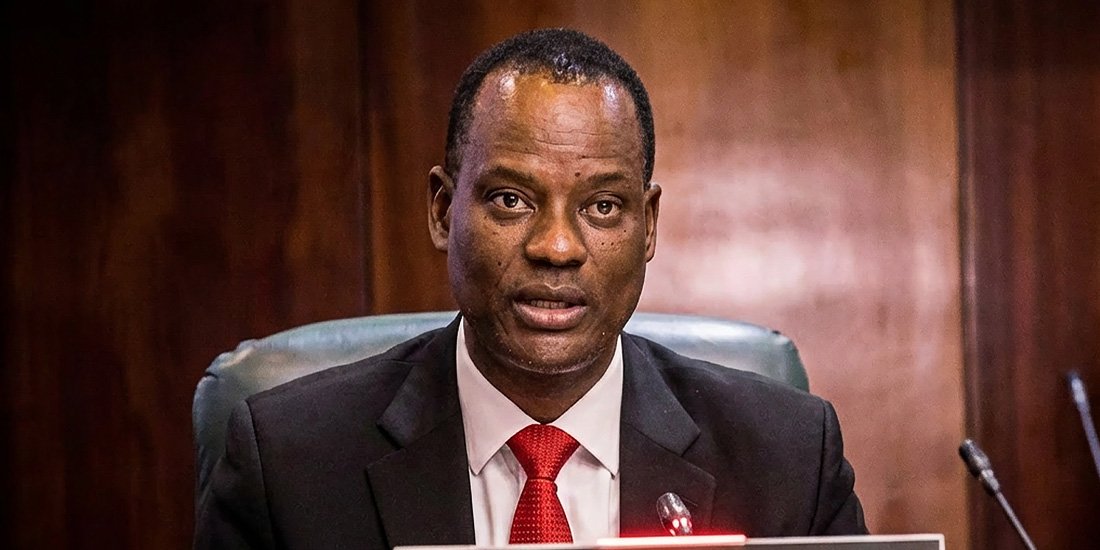
Minister of Finance and Coordinating Minister of the Economy Taiwo Oyedele has declared that the federal government’s economic reform programme has entered a new phase focused on ensuring that macroeconomic stability translates into investment, jobs and tangible improvements in household incomes.
Speaking at the Africa Emerging Markets Forum in Abuja, Oyedele said a reform that shows up in national statistics but not on the household dining table has not finished its job, describing inflation as the country’s biggest economic enemy and disclosing that the finance ministry is developing a framework to reduce the cost of capital without reintroducing subsidies, complementing the central bank’s tightening measures. He acknowledged Nigerians deserve a full account of how savings from fuel subsidy removal have been used, and said government would soon publish a comprehensive breakdown, stressing that the main goal of subsidy removal was eliminating systemic distortions rather than simply cutting spending.
Oyedele said the government has simplified the tax system, expanded relief for small businesses and low income earners, and removed VAT on essential goods, arguing that the reforms are aimed at making Nigeria a more competitive investment destination rather than simply raising revenue. He cited economic indicators including 3.89 percent GDP growth in the first quarter, foreign reserves above 50 billion dollars and moderating inflation as evidence of progress, while noting that the government has expanded cash transfers to 15 million vulnerable households, a programme he said has lifted an estimated 7.5 million Nigerians out of extreme poverty.
On poverty, Oyedele acknowledged that subsidy removal reduced purchasing power in the short term but said real per capita income grew almost 10 percent in 2025, positioning Nigeria among the fastest recovering economies, and said government will increasingly measure success through multidimensional poverty and income growth indicators rather than GDP alone. He said the ministry’s preliminary analysis suggests the economic cost of policy inconsistency and overregulation exceeds combined revenue from corporate and personal income taxes, and reaffirmed the administration’s goal of building a trillion dollar economy by 2030, while announcing plans for a new public data portal to improve transparency around government economic statistics.