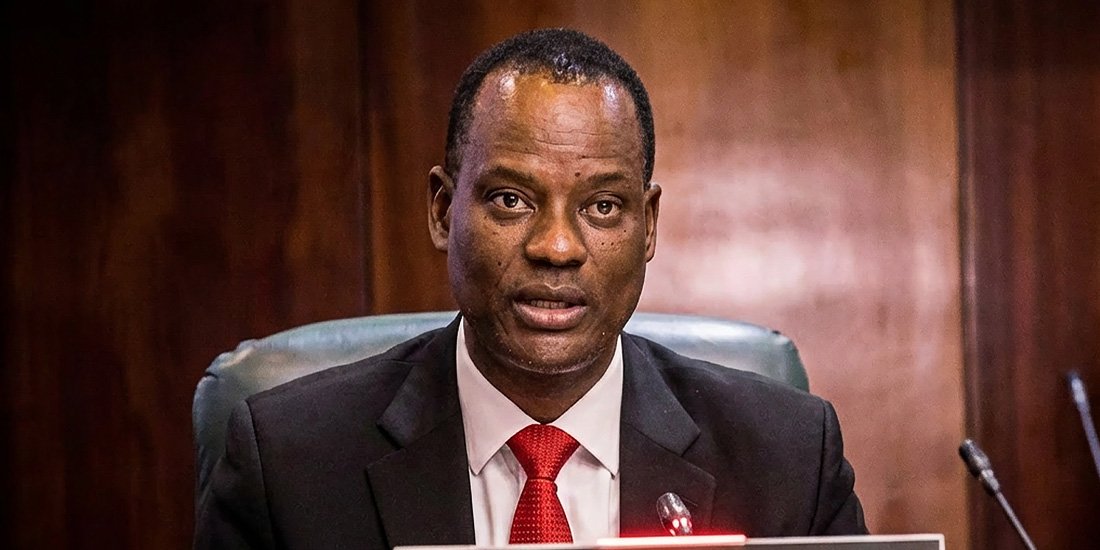
Minister of Finance and Coordinating Minister for the Economy, Taiwo Oyedele, has described deposit insurance as a strategic pillar for preserving public confidence and financial stability, warning that misinformation in the digital age now poses one of the biggest threats to the banking system.
He spoke at the opening of the 2026 International Association of Deposit Insurers Africa Regional Committee annual meeting, hosted by the Nigeria Deposit Insurance Corporation in Abuja under the theme of safeguarding stability through public awareness and crisis readiness. Oyedele said that while technological innovation, fintech and cross border financial integration create opportunities for inclusion and growth, they also expose financial systems to new vulnerabilities requiring stronger preparedness, stressing that no economy can achieve sustainable growth without a financial system built on public trust.
He said rumors can now spread across digital platforms within seconds and trigger liquidity pressure even in fundamentally sound institutions, making public awareness a core risk management strategy rather than a public relations exercise. He said depositors who understand their savings are protected are less likely to panic during uncertainty, and that crisis preparedness must become an institutional culture built on coordination among ministries of finance, central banks, deposit insurers and regulators well before crises emerge.
Oyedele pointed to the recent conclusion of Nigeria’s bank recapitalization programme, under which 33 of the country’s 37 banks met new capital requirements and raised about 4.65 trillion naira in fresh capital, saying stronger balance sheets have reinforced the country’s financial safety net by reducing the likelihood of bank failures. He also cited Nigeria’s removal from the Financial Action Task Force grey list in October 2025 as a further sign of strengthened confidence, describing deposit insurance as a driver of financial inclusion since public confidence encourages savings, lending and investment.
Central Bank of Nigeria Governor Olayemi Cardoso, represented by Solaja Mohammed Jamiu Olayemi, said safeguarding confidence has become the foremost responsibility of financial authorities as banking systems undergo rapid digital transformation, and that public awareness should be treated as a strategic component of stability rather than mere communication, given how quickly perceptions can spread online. He said institutions that invest in contingency planning and crisis simulation are better positioned to manage disruptions, and that the strength of any financial safety net depends on how effectively institutions coordinate with one another.
Cardoso pointed to the recapitalization programme as one of the central bank’s most significant reforms, saying higher capital thresholds are designed to build institutions capable of absorbing shocks and competing globally, while directly benefiting deposit insurers by reducing the conditions that trigger bank runs. He said the central bank has also pursued foreign exchange unification, restoration of monetary policy discipline and stronger prudential standards as part of a broader push for resilience.
NDIC Managing Director Bello Hassan said maintaining public confidence has become the most valuable asset of any financial system, noting that trust built over years can be eroded within days by misinformation. He said rapid advances in fintech and cross border financial activity have created both opportunities and new risks requiring coordinated responses, and recalled the 2023 global banking turmoil as evidence of how quickly confidence can erode in a digital environment. He reaffirmed the corporation’s commitment to strengthening depositor protection through improved reimbursement systems, public awareness campaigns and closer collaboration with the central bank and finance ministry, and called for deeper cooperation among African deposit insurers given the continent’s increasingly interconnected financial systems.