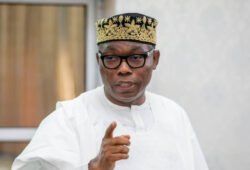
The federal government is taking steps to address a severe shortage of medical rehabilitation professionals, with Nigeria currently counting fewer than 8,000 accredited physiotherapists for a population of over 200 million people, by establishing medical rehabilitation programs in 20 universities across all regions and integrating rehabilitation services into the primary healthcare system.
Professor Rufai Ahmad, Registrar and Chief Executive Officer of the Medical Rehabilitation Therapists Registration Board of Nigeria, disclosed the measures at a media briefing in Abuja, saying they were part of implementing the World Health Organization Rehabilitation 2030 Initiative, which Coordinating Minister of Health and Social Welfare Professor Ali Pate had approved for adoption in Nigeria.
Ahmad said the initiative focused on strengthening leadership and governance in rehabilitation, improving rehabilitation financing, increasing the number and distribution of professionals, enhancing service delivery at all healthcare levels, generating data for policy and reform, and ensuring the availability of assistive devices. A systematic rehabilitation situation assessment commissioned by the minister had been completed to identify the specific gaps requiring attention.
He said the Minister of Education’s approval to establish rehabilitation programs in 20 universities would increase the pipeline of qualified professionals and improve their distribution across underserved regions. The Minister of Humanitarian Affairs and Poverty Reduction had also approved the revitalization of all rehabilitation centers to provide transition clinics for patients moving from acute care to community-based recovery.
The federal government had additionally approved a public-private partnership framework between medical rehabilitation professionals and health facilities lacking rehabilitation services, a measure Ahmad said would improve service delivery and reduce unemployment among qualified rehabilitation professionals.
The board had also digitalized its operations, including portals for registration, licensing, accreditation, inspection, indexing, professional examinations, and internship management. Public portals for verifying the licensing status of professionals, the accreditation of health facilities, and reporting professional misconduct would be available on the upgraded board website from August 2026.