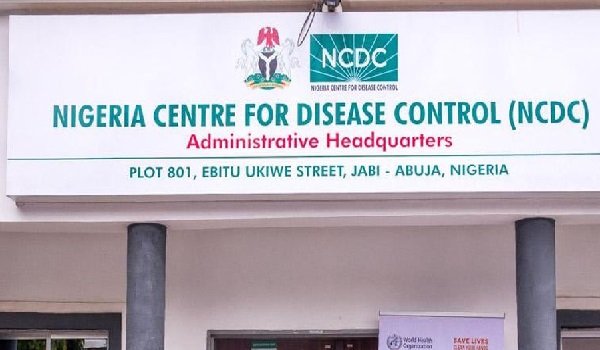
The Nigerian federal government has activated a national preparedness and surveillance response to the Ebola outbreak affecting the Democratic Republic of the Congo and Uganda, assuring the public that no confirmed case of the virus has been identified within Nigeria while acknowledging the need for heightened vigilance given the outbreak’s evolving trajectory.
The World Health Organization classified the outbreak as a Public Health Emergency of International Concern following consultations with authorities in both affected countries, a designation made under the International Health Regulations to facilitate urgent global mobilization and coordination. The declaration reflected concerns about the potential for wider regional spread, with the virus having already moved into multiple urban locations including Bunia, Goma, and Kampala, and with healthcare worker infections suggesting ongoing transmission within medical facilities.
WHO data indicates 51 confirmed infections in the DRC, concentrated in Ituri and North Kivu provinces, alongside two confirmed cases in Uganda’s capital. The organization said approximately 600 suspected cases and 139 suspected deaths had been identified, suggesting the actual scale of the outbreak may be considerably larger than confirmed figures indicate. A United States citizen infected while working in the DRC was evacuated to Germany for treatment.
The WHO director-general said worsening insecurity, population displacement, and movement linked to mining activity in eastern DRC had increased the likelihood of cross-border transmission. The organization approved an additional 3.4 million dollars from its Contingency Fund for Emergencies to support the response, bringing its total allocation for the outbreak to 3.9 million dollars.
Nigeria’s coordinating minister of health said the federal government, working through the Nigeria Centre for Disease Control and Prevention, Port Health Services, and other agencies, was closely monitoring developments in collaboration with the WHO and regional health authorities. Measures activated include enhanced surveillance and monitoring, strengthened screening and health declaration protocols at ports of entry, increased coordination with state health ministries, reinforced laboratory diagnostic capacity, and intensified infection prevention and control procedures across health facilities.
Healthcare workers nationwide were specifically advised to maintain a high level of clinical suspicion, strictly observe infection control protocols, promptly isolate suspected cases, and report through established public health channels without delay.