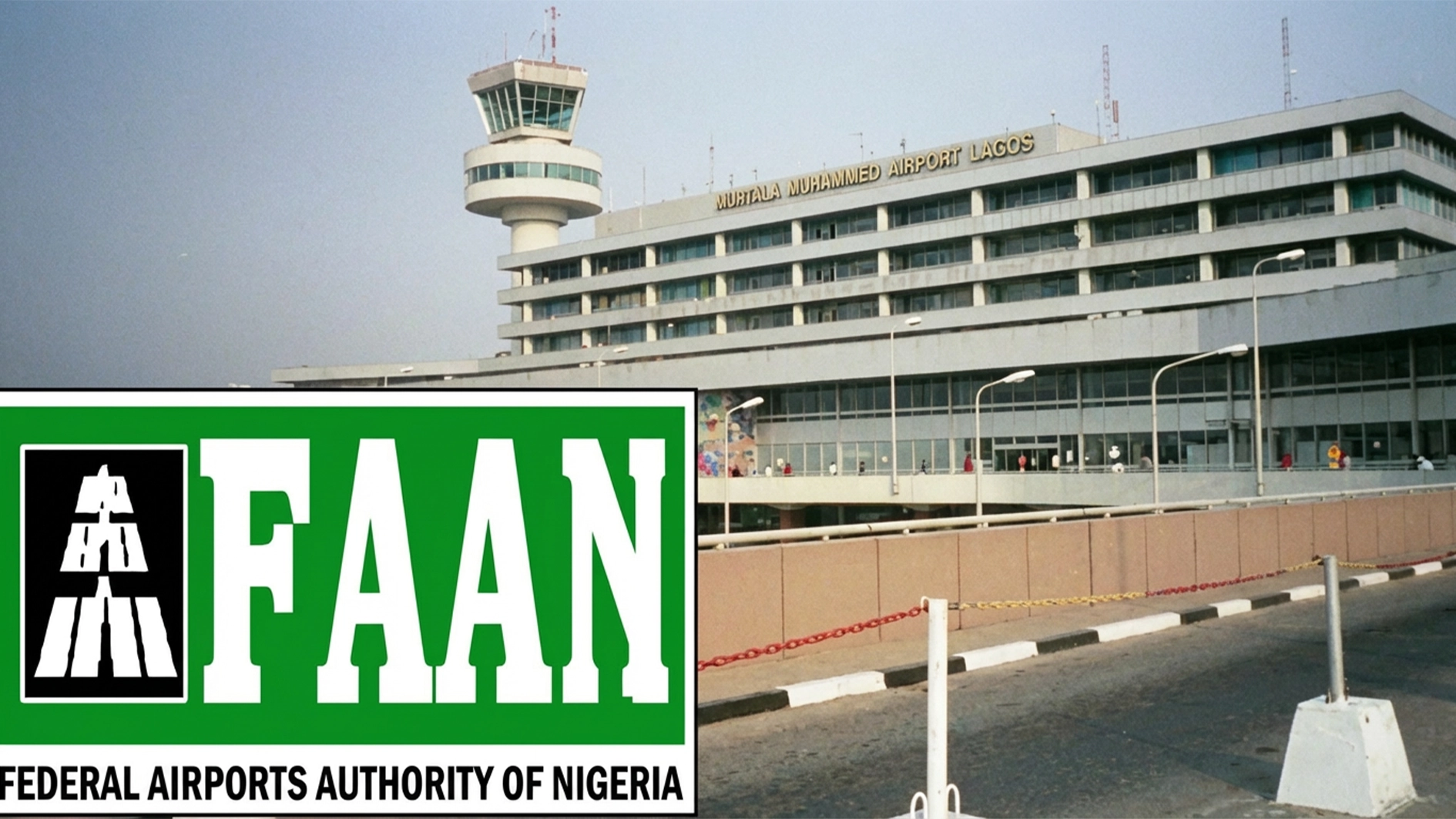
The Federal Airports Authority of Nigeria (FAAN), in collaboration with the Lagos State Government and Port Health Services, has intensified surveillance and passenger screening measures at the Murtala Muhammed International Airport (MMIA), Lagos, to prevent the importation and spread of Ebola Virus Disease (EVD) into Nigeria.
This was disclosed in a statement issued by FAAN’s Director of Public Affairs and Consumer Protection, Henry Agbabire, following an inspection of airport facilities by a joint team of aviation and health officials.
According to the statement, the inspection was aimed at assessing the airport’s preparedness to detect, monitor, and respond to any potential Ebola threat amid concerns over the recent outbreak of the disease in the Democratic Republic of Congo (DRC).
The exercise brought together key stakeholders from the aviation and health sectors, including the Lagos State Commissioner for Health, Prof. Emmanuel Akinola Abayomi; MMIA Airport Manager, Olatokunbo Arewa; FAAN General Manager, Aviation Medical, Dr. Ibrahim Bilikisu; Permanent Secretary of the Lagos State Ministry of Health, Dr. Dayo Lajide; Special Adviser to the Governor on Health, Dr. Kemi Ogunyemi; and the State Epidemiologist, Dr. Ismail Adeshina Abdus-Salam.
Speaking during the inspection, Prof. Abayomi commended FAAN and other agencies for their prompt response and proactive measures in addressing the potential threat posed by the Ebola outbreak in the DRC.
He stressed the importance of heightened vigilance and stricter surveillance of passengers arriving from countries considered high-risk, noting that effective procedures must remain in place to identify, isolate, and monitor travellers while ensuring compliance with public health guidelines.
The commissioner emphasized that sustained collaboration among relevant agencies is critical to preventing the entry and spread of infectious diseases through Nigeria’s busiest international gateway.
“We must continue to prioritise public health by maintaining robust surveillance systems and ensuring strict adherence to established protocols,” he said.
Also speaking, MMIA Airport Manager, Olatokunbo Arewa, reaffirmed FAAN’s commitment to maintaining all necessary preventive measures and complying with national and international health regulations.
He called for stronger collaboration among stakeholders and urged immediate action whenever symptoms associated with Ebola are detected in any traveller.
“Prompt detection, reporting and response are vital to preventing the spread of infectious diseases within the airport environment and beyond,” Arewa said.
Briefing the delegation, the Officer-in-Charge of Port Health Services and Head of the Point of Entry team at MMIA, Dr. Abdullahi Lawal, disclosed that the airport’s emergency preparedness and response plan had been reviewed and updated.
He explained that comprehensive risk assessments had been carried out, airlines operating from high-risk destinations identified, and screening forms introduced for passengers arriving from such locations.
Lawal added that all relevant stakeholders had been assigned specific responsibilities under the airport’s emergency response framework to ensure coordinated action in the event of any suspected case.
FAAN’s General Manager of Aviation Medical Services, Dr. Ibrahim Bilikisu, said the agency and the Nigeria Civil Aviation Authority (NCAA) have continued to share information and coordinate response efforts in line with international health regulations and global best practices.
She noted that airport personnel and other stakeholders have undergone sensitisation and training programmes to enhance their capacity to identify, report and respond effectively to potential public health threats.
As part of the assessment, members of the Lagos State Government delegation toured critical facilities within the airport to verify compliance with Ebola surveillance, screening and prevention protocols.
The inspection highlighted the determination of health and aviation authorities to maintain a high level of preparedness and ensure that MMIA remains capable of responding effectively to any public health emergency.