European Union officials have warned that oil and gas prices across Europe are expected to remain elevated until at least the end of 2027, with the continued rise in energy costs likely to push up the prices of other goods and services.
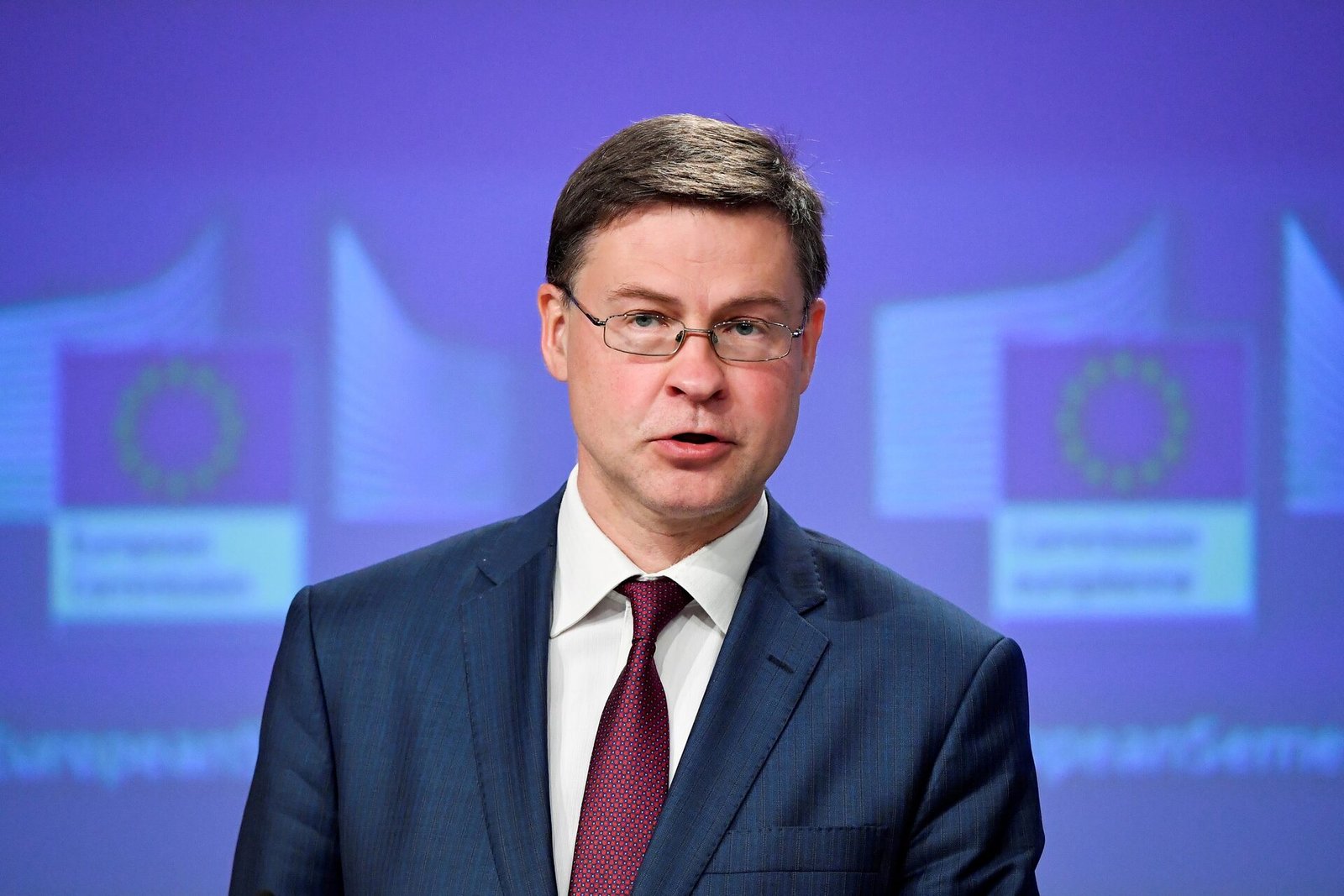
Speaking after a meeting of eurozone finance ministers on Friday, EU Economy Commissioner Valdis Dombrovskis said higher energy prices were the major factor driving inflation across the bloc.
According to Dombrovskis, inflation in the eurozone is now projected to reach 3.1 percent this year and 2.4 percent in 2027, significantly above the earlier forecast of 1.9 percent for 2026.
“We expect that this energy inflation will gradually also trickle down to different sectors of the economy,” he said.
Also speaking, Christine Lagarde noted that even if tensions linked to the Middle East conflict eased immediately, the impact on prices would continue to affect European economies for some time.
“And it’s probably a fact that price levels will be higher at the end of this crisis, when we see the end of the crisis,” Lagarde stated.
The European Central Bank chief assured that the ECB would take necessary steps to maintain price stability and keep inflation close to its target of two percent.
She added that the central bank was closely monitoring the aftereffects of the energy price shock while also relying on Europe’s strategic oil reserves to cushion possible supply disruptions.
The warning comes amid continued uncertainty in global energy markets following geopolitical tensions in the Middle East, which have contributed to volatility in crude oil and natural gas prices.