Nigeria’s basic education sector has recorded significant measurable improvements over the past year, but the country continues to grapple with 15 million children out of school and 45 million young Nigerians aged five to 14 who cannot read text appropriate to their age, the Minister of Education, Dr. Tunji Alausa, disclosed at the 2026 Basic Education Bootcamp in Jos.
Presenting a progress report under the Nigeria Education Sector Renewal Initiative, Alausa said the federal government released N106 billion in Universal Basic Education Commission matching grants between January 2025 and January 2026, among the largest single-period disbursements on record. Additional achievements included the training of 978,000 teachers, renovation of 10,000 classrooms, distribution of 7.8 million textbooks, N22 billion invested in teacher professional development, and N2.035 billion channelled to School Based Management Committees for community-driven school improvement projects.
He acknowledged that despite these investments, the scale of the out-of-school challenge remained formidable, but said recent interventions were beginning to reverse troubling trends and laid the groundwork for sustained systemic improvement.
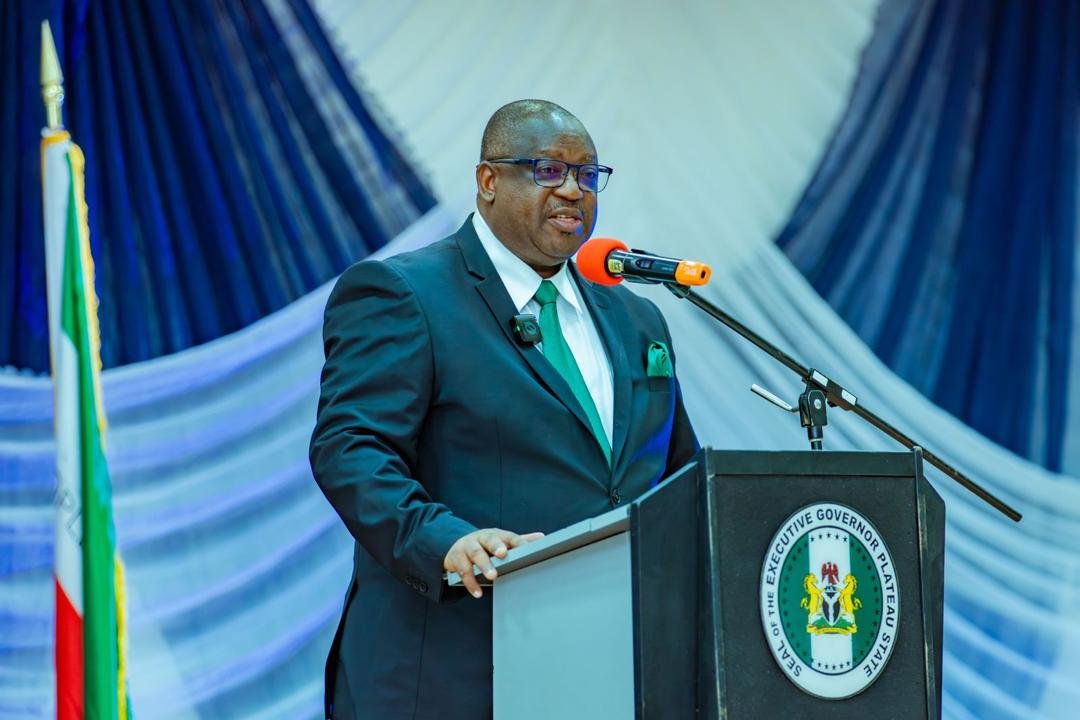
Plateau State Governor Caleb Mutfwang, who declared the three-day bootcamp open, described Nigeria’s out-of-school crisis as millions of dreams deferred and warned that continued inaction would deepen both insecurity and poverty across the country for generations. He highlighted Plateau State’s own education infrastructure investments, including 397 new classrooms, 557 renovated classrooms, 33 motorised boreholes, and thousands of new furniture units, and announced the launch of the National Policy on Inclusive Education, the National Policy on Almajiri Education, and National Guidelines for the re-entry of married and pregnant adolescent girls.
Minister of State for Education, Professor Suwaiba Sai’di Ahmad, acknowledged that the number of out-of-school children remained significant and unacceptable, but said the ministry was expanding alternative learning pathways, strengthening technical and vocational education, and promoting digital learning through the LUMINA 2030 initiative.
Permanent Secretary Abel Enitan outlined further progress under the renewal initiative, including nationwide mapping of out-of-school children, curriculum reforms, expansion of digital learning infrastructure, and the rollout of the Learner Identification Number. He stressed the need for states to translate federal policies into measurable classroom-level improvements, warning that policy without state-level implementation would fail to reach the children most in need of intervention.