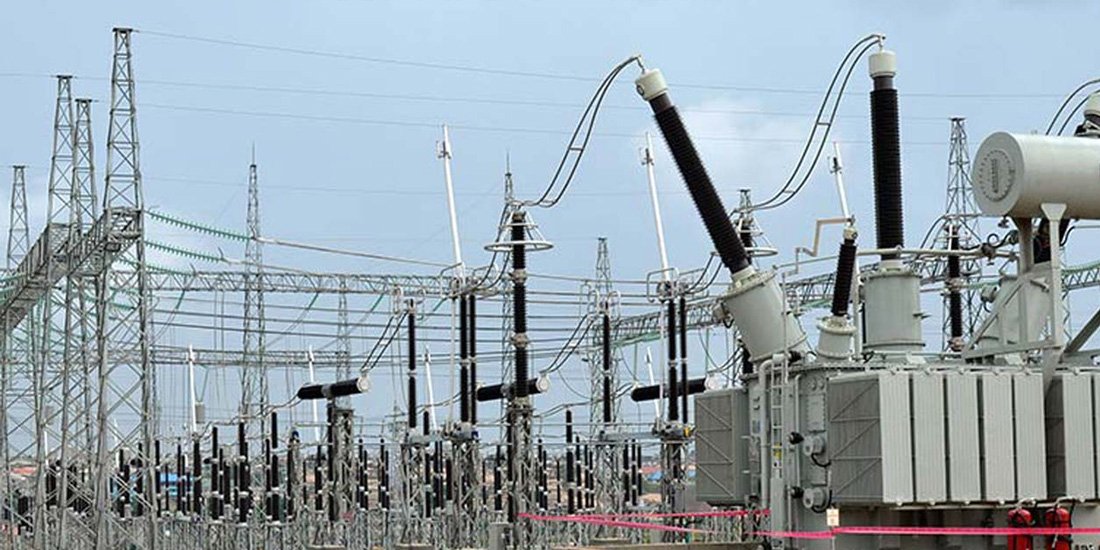
Electricity Distribution Companies (Discos) have commenced load shedding across their networks following a sharp decline in power generation on Nigeria’s national grid.
Grid generation fell to 1,132.02 megawatts (MW) at about 8:30pm on Friday, according to real-time data on the Nigerian Independent System Operator (NISO) grid performance dashboard.
The development pointed to a partial collapse of the national grid, with several major generating plants recording zero output at the time.
Eko Electricity Distribution Company (Eko Disco) confirmed the supply constraints in a notice to customers, saying it was experiencing load shedding because of reduced allocation from the national grid.
“We are experiencing load shedding across our network. This is due to low allocation from the grid. Please bear with us,” the company said.
The sharp decline in generation came after only 10 generating companies were contributing electricity to the system at the time of the 8:30pm reading, while several major power plants recorded no output.
Generation had reportedly dropped as low as 700MW earlier before beginning to recover. By 9pm, it had risen to 1,793.79MW as efforts were made to restore electricity supply.
Jebba Hydroelectric Power Plant was the largest contributor at 483MW, followed by Omotosho with 162.80MW, Olorunsogo with 115MW, Paras Energy with 80.10MW and Afam III Fast Power with 76.10MW.
Dadinkowa contributed 37.82MW, Omoku generated 34.70MW, while Sapele Steam recorded 24.80MW.
However, Egbin, Geregu, Geregu NIPP, Kainji, Delta, Alaoji NIPP, Ihovbor NIPP, Okpai, Shiroro, Taopex, Trans Afam Power and Zungeru recorded zero output on the dashboard at the time.
The significant reduction in generation constrained the volume of electricity available for transmission to Discos, forcing distribution companies to reduce supply to customers across their networks.
The latest disruption has renewed concerns over the stability of Nigeria’s electricity system, which has experienced several system disturbances and grid collapses in recent years.
As of the time of filing the report, NISO and other relevant authorities had not provided an explanation for the sharp decline in generation.
The development also represents the first major grid disturbance since Joseph Tegbe assumed office as Minister of Power.
Nigeria’s electricity system remains heavily dependent on gas-fired power generation, while limitations in transmission capacity and network reliability continue to affect supply.
Previous assessments of the sector have also identified ageing infrastructure, vandalism and inadequate gas supply among factors contributing to recurring disruptions in electricity generation and distribution.