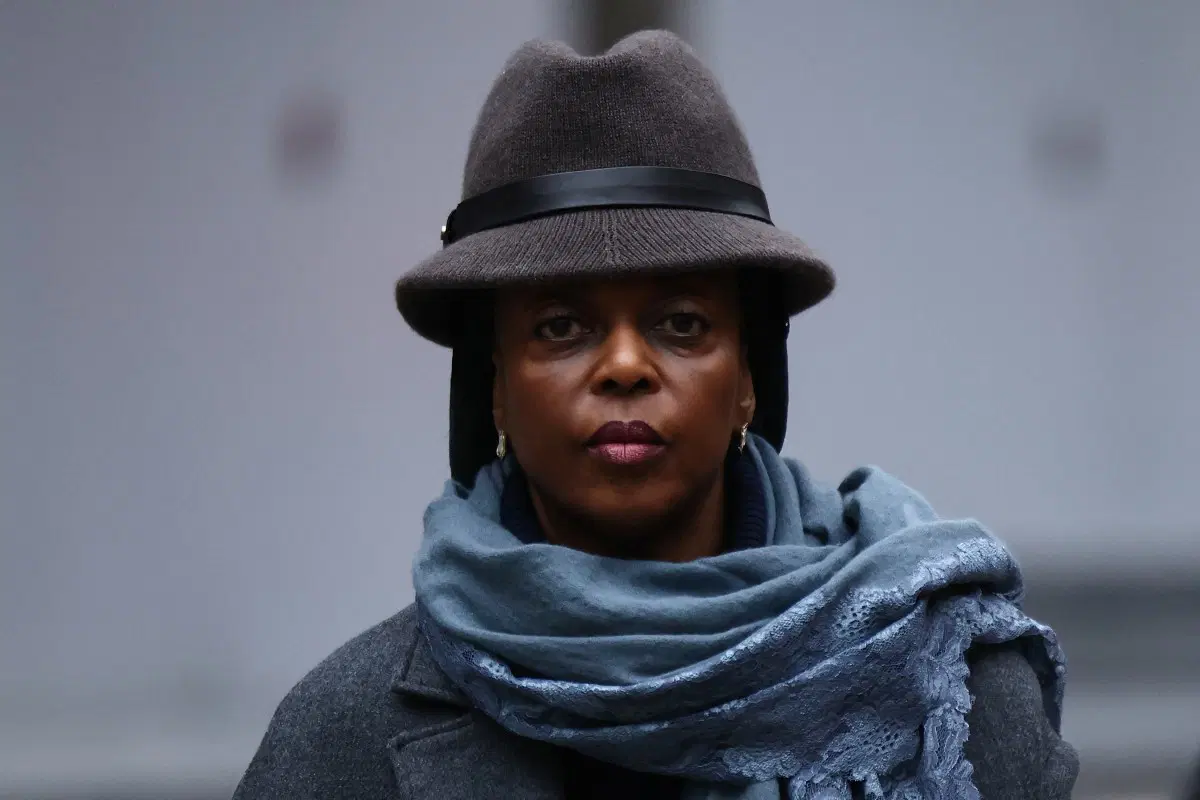
The trial of former Nigerian Minister of Petroleum Resources, Diezani Alison-Madueke, took a dramatic turn at Southwark Crown Court as her lead counsel, Jonathan Laidlaw, launched a forceful challenge against the prosecution during closing arguments.
Addressing the jury, Laidlaw accused investigators of relying on questionable evidence, pursuing selective prosecution, and failing to preserve critical materials that could have strengthened the defence in one of the most closely watched corruption cases involving a former Nigerian official.
A key pillar of the defence’s argument centered on the alleged inconsistency in prosecutorial actions. Laidlaw questioned why several businessmen identified by prosecutors as central figures in the alleged bribery scheme have not been charged, while Alison-Madueke has faced prolonged legal proceedings in the United Kingdom.
He named oil industry figures including Kola Aluko, Jide Omokore, Benedict Peters, Igho Sanomi, and Kevin Okyere as individuals linked to the alleged arrangements but who remain unprosecuted.
“One can be forgiven for wondering whether parliament, in enacting the Bribery Act, could have contemplated this situation where those alleged to have paid the bribes remain free, while the accused has faced over a decade of legal jeopardy,” Laidlaw told the court.
The defence also raised concerns over the handling of evidence by Nigeria’s Economic and Financial Crimes Commission (EFCC), questioning both the integrity and preservation of materials used in building the prosecution’s case.
Laidlaw pointed out that officers from the United Kingdom’s National Crime Agency were not present during the 2015 search of Alison-Madueke’s Abuja residence, and that items reportedly recovered were not photographed in their original locations.
He further alleged that critical documents—such as reimbursement records and official ministerial files that could support the defence—were missing.
“If the situation were not so serious, it would be laughable,” he remarked, highlighting what he described as major gaps in the evidentiary record.
In another line of argument, the defence accused prosecutors of adopting contradictory positions regarding the credibility of the EFCC. Laidlaw argued that while the prosecution relied heavily on EFCC-generated evidence against Alison-Madueke, it dismissed EFCC correspondence favorable to co-defendant Olatimbo Ayinde as unreliable.
“Either you trust the EFCC, or you don’t—you cannot have it both ways,” he said.
The defence also rejected claims that no ministerial diaries existed, describing such assertions as “arrant nonsense” and insisting that such records would have documented Alison-Madueke’s official engagements and financial reimbursements relevant to the allegations.
Legal observers noted that the strategy appeared aimed at undermining the credibility and consistency of the prosecution’s case ahead of jury deliberations expected soon.
Earlier, lead prosecutor Alexandra Healy had concluded the prosecution’s closing submissions, reiterating allegations that Alison-Madueke received improper benefits from oil executives whose companies secured lucrative government contracts during her tenure.
Prosecutors highlighted a £1 million payment allegedly made by businessman Benedict Peters shortly after a mortgage linked to a London property was cleared. According to the prosecution, the funds were routed through a defunct furniture company rather than paid directly to a church associated with the former minister’s brother, a move described as an “extraordinary device” intended to conceal the transaction.
The trial is expected to proceed with the defence’s final submissions before the jury retires to consider its verdict.