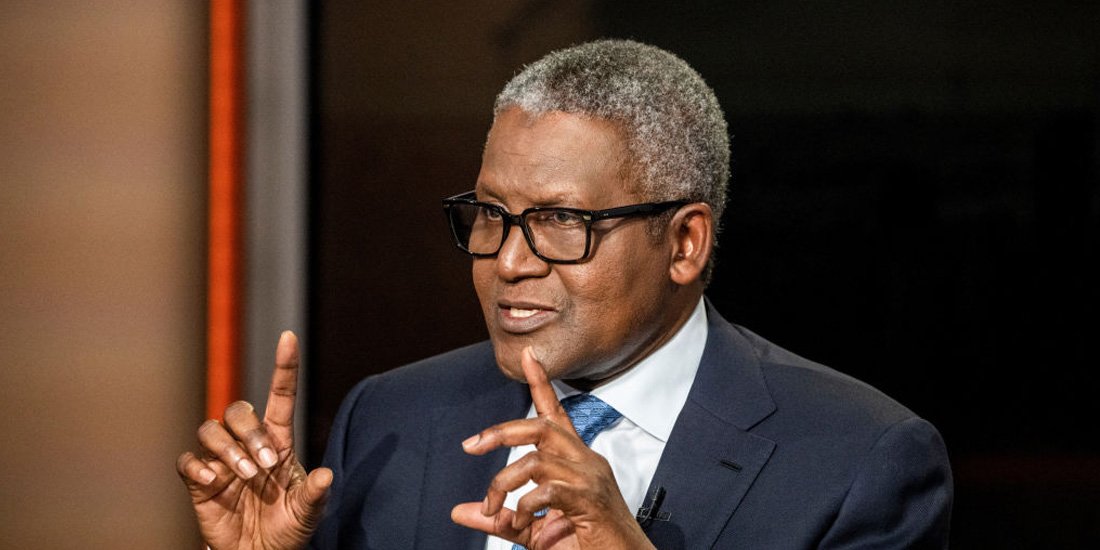
Aliko Dangote has warned that Nigeria’s industrialization ambitions will remain constrained unless the country addresses high borrowing costs, unreliable electricity and inconsistent government policies.
Speaking in an interview, the industrialist said interest rates of about 30 per cent made it extremely difficult for manufacturers to finance factories and remain competitive.
He argued that a project requiring several years to complete could effectively double in cost once high financing charges were included.
Dangote said Nigeria had entrepreneurs capable of building large industrial businesses but many investors were reluctant to commit capital because they lacked confidence that policies would remain stable.
He identified policy inconsistency and inadequate electricity as two of the biggest barriers to manufacturing.
Dangote also said diesel-based production could not provide a sustainable foundation for industrial expansion because energy costs remained too high.
The businessman warned that Nigeria might not see another major refinery built for many years if investors believed locally manufactured products would be left exposed to unrestricted imports.
His refinery is currently in a legal dispute with the Nigerian Midstream and Downstream Petroleum Regulatory Authority over the issuance and renewal of petrol import licenses.
The refinery argues that continued import permits undermine investment in domestic refining, while supporters of imports say competition is necessary to prevent excessive market concentration and strengthen energy security.
Dangote said industrial policy should protect domestic production sufficiently to create jobs, expand the tax base and encourage investment.
He cited countries such as India, Singapore and South Korea as examples of economies that developed strong industrial bases despite not being major crude-oil producers.
He argued that excessive dependence on imports effectively transfers employment opportunities abroad while weakening domestic manufacturing.
Dangote also recalled the collapse of his textile business, which he attributed to competition from low-priced imports from China and India.
He said the closure resulted in the loss of 6,920 jobs and reinforced his view that domestic manufacturers needed a predictable policy environment.
According to Dangote, the broader lesson from his experience was that industrialization required affordable capital, reliable power and consistent rules capable of supporting long-term investment.