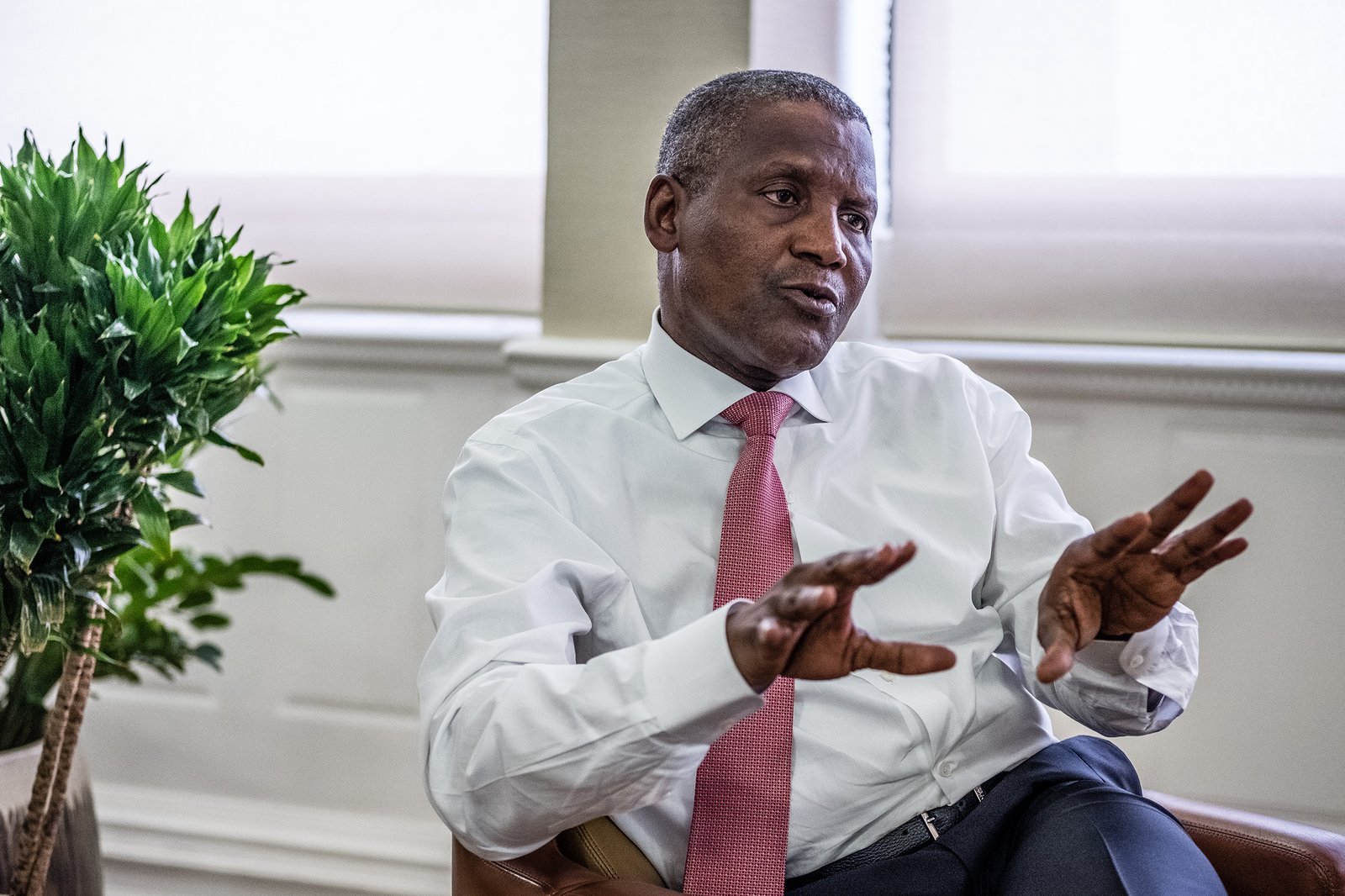
Chairman of Nigeria’s National Malaria Elimination Council, Aliko Dangote, has issued an urgent call to governments and the private sector to significantly intensify their coordinated efforts to eliminate malaria, declaring that the current convergence of scientific advancement, strengthened partnerships, and policy momentum created the clearest pathway to elimination the world had ever seen, provided the opportunity was seized with genuine urgency and sustained commitment.
Speaking to mark World Malaria Day 2026, Dangote acknowledged real progress in the global fight against malaria while warning that the gains remained deeply uneven, with sub-Saharan Africa still accounting for over 90 percent of the global disease burden and children under five, pregnant women, displaced persons, and underserved communities bearing a disproportionate share of the suffering.
He identified next-generation vaccines, improved diagnostics, and data-driven surveillance systems as innovations that had positioned the global health community for decisive action, arguing that the critical variable was no longer scientific capability but equitable and large-scale implementation of tools that already existed.
Highlighting this year’s campaign theme of being driven to end malaria, Dangote underscored the pivotal role of private sector involvement, noting that corporate interventions through workplace and community programmes could significantly complement government-led national malaria control efforts.
“Aligned and well-coordinated private sector action can deliver measurable impact and significantly reinforce national malaria control programmes,” he said, adding that no single sector could achieve elimination alone and that stronger public-private partnerships involving governments, businesses, civil society, development partners, and local communities were essential to success.
He warned against complacency in the face of emerging threats such as drug and insecticide resistance, urging sustained investment in research and innovation to protect the progress already achieved. He called on governments to maintain funding commitments and policy momentum while urging private sector players and development partners to scale up interventions in the highest-burden regions.”The path to a malaria-free world is clear. We have the tools. We have the knowledge. What we need now is urgency, sustained investment, and collective accountability,” Dangote said.