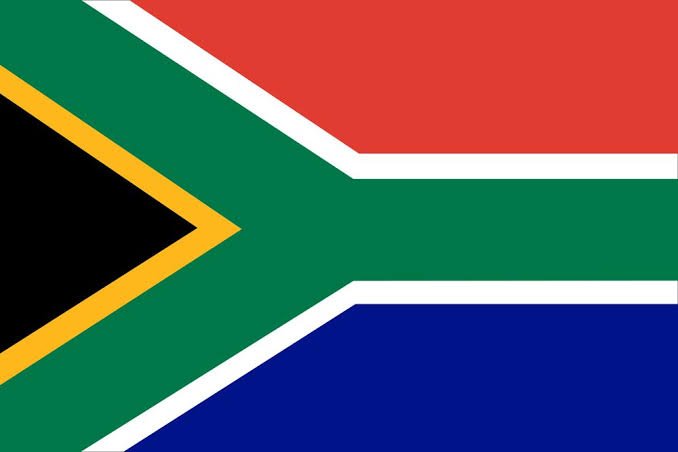
Scholars, diplomats, journalists and Pan African advocates are set to reassess South Africa’s relationship with the rest of the continent at a roundtable organised by the League of National Columnists.
The forum, titled From Mayibuye iAfrika to Abahambe: South Africa and Other African Countries, will examine how the relationship has evolved from the solidarity of the anti apartheid struggle to present tensions over migration, xenophobia and economic competition.
During apartheid, African countries and the Organisation of African Unity gave extensive support to South African liberation movements. Nigeria, Zambia, Tanzania, Angola, Zimbabwe, Mozambique and others provided funding, training, diplomatic assistance and refuge for activists.
Nigeria became known as the Frontline State without Borders because of its financial contributions, scholarships, sanctions against the apartheid government and creation of the Southern African Relief Fund. The liberation slogan Mayibuye iAfrika became a symbol of continental unity.
The democratic transition of 1994 and Nelson Mandela’s election created expectations of a new era of African cooperation. South Africa subsequently became a major participant in the African Union, the Southern African Development Community, the New Partnership for Africa’s Development and BRICS.
Those expectations have repeatedly been damaged by attacks on African migrants. Since 2008, Nigerians, Zimbabweans, Mozambicans, Somalis, Ethiopians and other foreign nationals have faced violence, deaths, injuries and destruction of businesses.
The expression Abahambe, meaning they should leave, has become associated with anti immigrant campaigns driven by frustration over unemployment, crime and inequality. South African governments have condemned xenophobic violence and pledged to protect residents regardless of nationality.
The roundtable will consider migration policy, regional diplomacy, economic integration, youth mobility, media narratives and the implementation of the African Continental Free Trade Area. Participants will also discuss practical measures for peaceful coexistence and renewed continental solidarity.
The meeting comes as African governments promote Agenda 2063, free trade and freer movement while continuing to confront disputes over borders, labour and migration. Organisers say the conversation will test whether the trust built during the liberation era can be renewed for a younger generation facing unemployment, insecurity, climate pressures and changing global alliances.