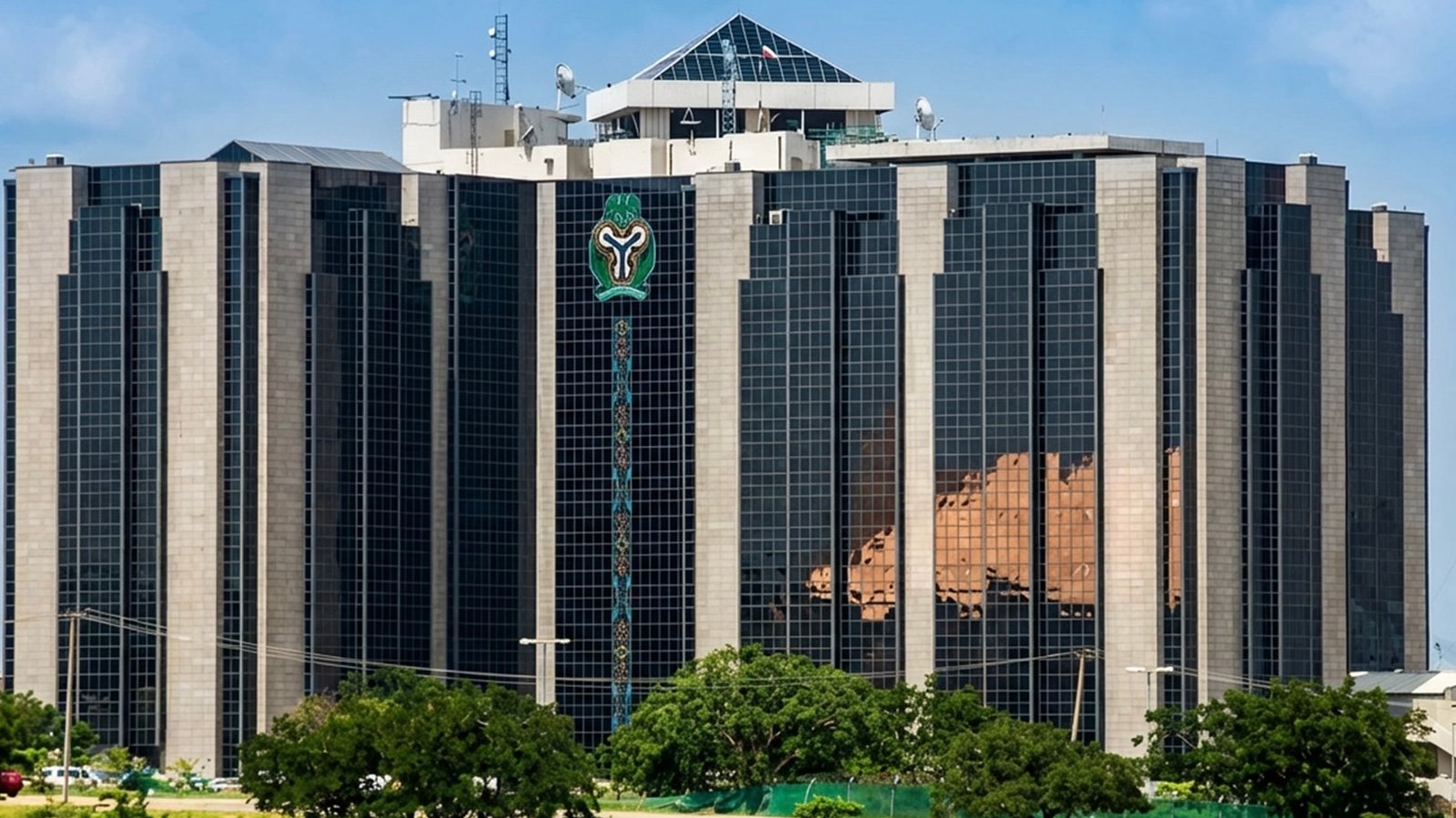
The Central Bank of Nigeria has ordered banks, fintechs, and all licensed payment service providers to identify and disclose the true owners behind their shareholding structures, bring all transaction data generated within Nigeria back onshore by January 2027, and accept hard limits on how much of the payments market any single institution can control across different segments.
The directive, contained in a circular signed by Payments System Supervision Director Dr. Rakiya Yusuf, represented the most significant structural intervention in Nigeria’s digital financial ecosystem in years, driven by concerns that rapid growth in electronic payments had created dangerous concentrations of market power alongside ownership structures that regulators could not adequately see or assess.
The beneficial ownership requirement directed all deposit money banks, microfinance banks, mobile money operators, switching companies, and other licensed institutions to keep accurate and current records of significant shareholders and make them available to the CBN without delay when requested. The bank said the measure aligned with existing anti-money laundering and counter-terrorism financing obligations and was intended to close transparency gaps that had widened as digital financial services expanded and ownership arrangements grew more complex.
On data localization, the central bank gave all financial institutions and payment participants until January 1, 2027 to ensure that every payment transaction record generated in Nigeria was stored and managed within the country. The CBN said the requirement would deepen supervisory oversight, strengthen data security, and reinforce compliance with Nigeria’s broader data protection framework.
The market structure provisions prohibited any institution with more than 25 percent of the consumer payments issuing market from simultaneously holding more than 15 percent of merchant acquiring, and imposed the same restriction in reverse. The restriction covered activities conducted both directly and through related entities within the same corporate group, closing off the use of group structures as a means of circumventing the caps. Institutions were given until December 31, 2026 to restructure as necessary and required to submit monthly market share returns on standardized templates.