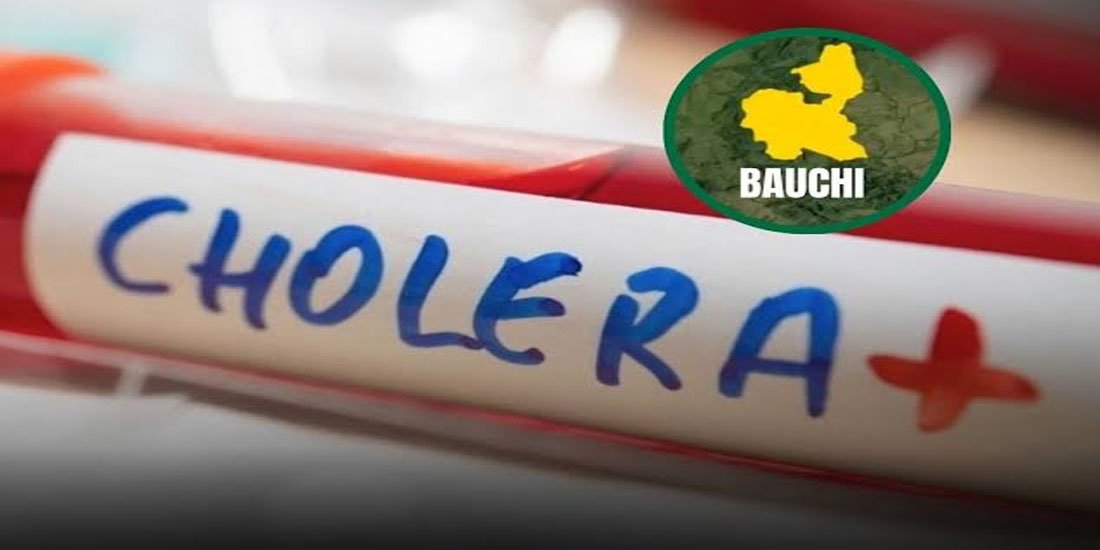
Bauchi State has declared a cholera outbreak following the deaths of 16 people and the identification of 398 suspected cases across 13 local government areas.
The State Ministry of Health and Social Welfare said the figures represented a case fatality rate of about four per cent as of July 31, 2026.
The declaration followed laboratory confirmation of active transmission and recommendations from the state epidemiology team and Public Health Emergency Operations Centre.
Toro Local Government Area recorded the largest number of suspected cases with 231.
Alkaleri and Kirfi recorded 46 cases each, while Ganjuwa recorded 21.
Bauchi and Tafawa Balewa Local Government Areas recorded 14 suspected infections each.
Laboratory investigations confirmed six cases of Vibrio cholerae O1 Ogawa.
Health authorities said the combination of laboratory confirmation, rising suspected cases and spread across several local government areas met the requirements for formally declaring an outbreak.
The state government has activated a coordinated response involving surveillance, laboratory testing, treatment, water and sanitation, infection prevention, logistics and public awareness.
Rapid Response Teams have been deployed to affected communities.
Treatment centers have also been strengthened while essential medical supplies are being distributed.
The state appealed to development organizations and other partners for additional financial, technical and logistical support.
Water, Sanitation and Hygiene officers from eight vulnerable local government areas have also undergone specialized training on interventions designed to contain cholera transmission.
The programme was organized by the Bauchi State Government through the Rural Water Supply and Sanitation Agency with support from UNICEF.
UNICEF officials warned that contaminated water, inadequate sanitation and poor hygiene significantly increase the likelihood of cholera and other diarrhea diseases.
The agency particularly emphasized the threat to children and stressed the importance of rapid intervention in communities where transmission has been identified.