Bank of Industry Managing Director Olasupo Olusi has said Nigeria must urgently reduce its dependence on foreign development finance and mobilize domestic capital on a much larger scale to fund its economic transformation, arguing that the era of heavy reliance on long term international financing is fading.
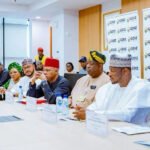
Speaking at the sixth annual conference of the Association of Nigerian Development Finance Institutions in Abuja, themed around unlocking domestic capital for development financing, Olusi, who chairs the association, said Nigeria can no longer postpone mobilizing local resources to finance infrastructure, industrialization, agriculture, housing and small business development. He said development finance institutions occupy a unique position between government policy and private enterprise, and must go beyond lending to actively mobilize capital and catalyze sustainable economic growth, noting that despite tighter global financial conditions, Nigerian development finance institutions have continued supporting the Renewed Hope Agenda by financing productive sectors.
Minister of Finance and Coordinating Minister of the Economy Taiwo Oyedele said Nigeria’s ambition to build a trillion dollar economy depends largely on how successfully it mobilizes domestic savings rather than relying primarily on government borrowing or foreign capital, noting that the country already holds significant investable capital through pension funds, insurance assets, banking liquidity and diaspora remittances that must be channeled into productive investment. He outlined five priorities for accelerating domestic capital mobilization, including developing more attractive investment products, expanding credit enhancement mechanisms, strengthening infrastructure and green bond markets, and reforming development finance institutions to be more commercially disciplined.
African Development Bank Regional Director General for Nigeria, Abdul Kamara, said Nigeria will need about 2.3 trillion dollars in cumulative investment over the next two decades to close its infrastructure deficit, noting that the bank currently channels a substantial share of its 6.7 billion dollar Nigeria portfolio through institutions including the Bank of Industry and the Bank of Agriculture. Bank of Agriculture Managing Director Ayo Sotinrin announced plans to recapitalize the institution with a billion dollars under an initiative he called Bank of Agriculture 2.0, aimed at expanding agricultural lending and digital transformation, noting the bank has already financed more than 500,000 farmers and is deploying 2,000 tractors to mechanize 1.2 million hectares of farmland. Infrastructure Bank acting Managing Director Nasiru Isyaku warned that Nigeria faces about 100 billion dollars in annual infrastructure financing gaps, calling for stronger collaboration between government, development finance institutions and private investors to close the shortfall.