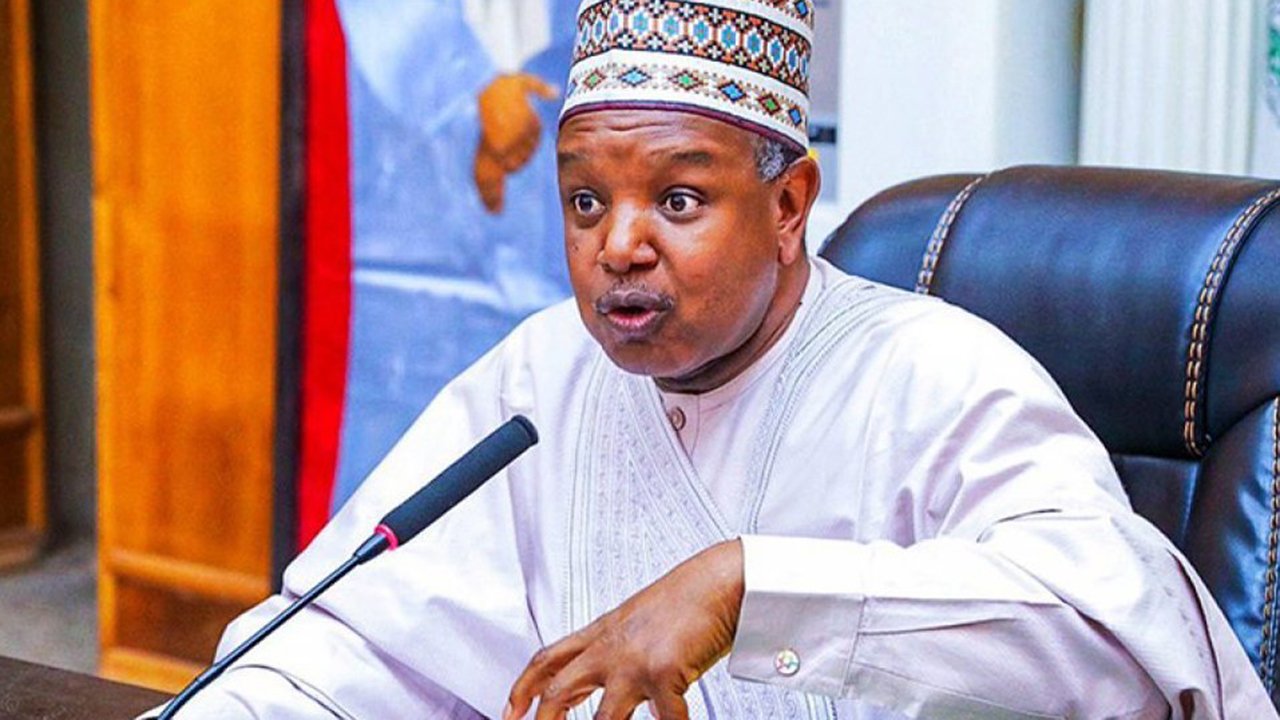
Minister of Budget and Economic Planning, Senator Abubakar Bagudu, has stressed that effective communication and deliberate inclusive policy design were non-negotiable foundations for strengthening social security systems across West Africa, warning that economic expansion alone would remain meaningless if it failed to translate into improved welfare for the most vulnerable populations in the sub-region.
Speaking as special guest at the two-day International Social Security Association West Africa Technical Seminar hosted by the Nigeria Social Insurance Trust Fund in Abuja, Bagudu drew attention to the shared challenges and strategic opportunities confronting countries within the sub-region, urging deeper cooperation and more deliberate knowledge sharing among participating nations.
He observed that social security remained a unifying concern across West Africa, noting that countries in the region operated within broadly similar socioeconomic contexts, making collaboration on social protection not only necessary but strategically essential to achieving meaningful and lasting progress. He described the seminar as an important platform for sharing experiences, adopting best practices, and deploying communication tools to ensure that no citizen was left behind in the evolution of social protection systems.
“Social security has evolved over time, from informal, traditional support systems to more structured and formalised frameworks. Platforms such as this seminar offer an important opportunity to share experiences, adopt best practices, and use communication tools to ensure no one is left behind,” he said.
The minister commended ISSA and Nigerian stakeholders for their sustained efforts to deepen social protection systems across the region, while highlighting Nigeria’s ongoing reforms, including pension restructuring, targeted cash transfer programmes, and broader macroeconomic adjustments, as part of a wider push toward sustainable and inclusive growth.
Bagudu reaffirmed the federal government’s commitment to grassroots development, citing the Renewed Hope Ward Development Plan approved by President Tinubu, which he described as designed to identify economic opportunities across Nigeria’s 8,809 wards while strengthening governance structures to support local productivity, decentralise social interventions, and enhance service delivery.
He urged participating countries to leverage the seminar for knowledge exchange, noting that while governance frameworks might differ across the region, shared learning remained critical to accelerating progress toward more resilient and inclusive social protection systems.