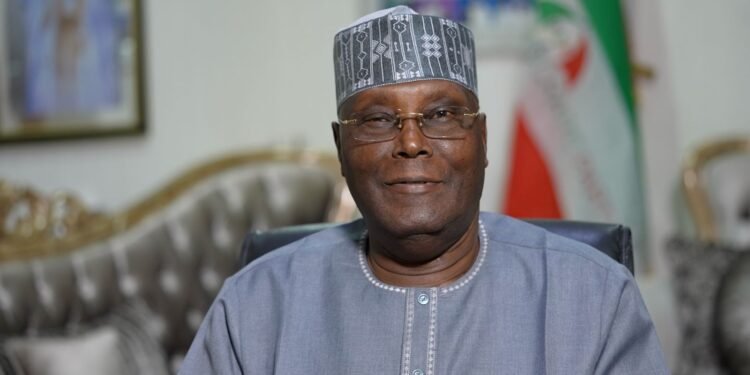
Former Vice-President Atiku Abubakar has outlined key priorities for his forthcoming visit to the United States, stating that his engagements with policy and institutional stakeholders will focus on Nigeria’s worsening security situation, governance challenges, and economic instability.
In a statement issued by his media aide, Paul Ibe, Atiku expressed deep concern over what he described as a “full-blown internal crisis” in Nigeria, warning that the situation could no longer be ignored or politicised.
He pointed to escalating violence across several regions, including the North-West, North-East, and Middle Belt, as well as the increasing prevalence of kidnapping and other criminal activities nationwide. According to him, the Nigerian state is gradually losing its ability to fulfil its core responsibility of protecting lives and property.
“Communities are being overrun, livelihoods destroyed, and citizens abandoned to their fate,” Atiku said, adding that the crisis reflects a broader pattern of systemic failure rather than isolated incidents.
Beyond security, the former vice-president highlighted the country’s deepening economic challenges, describing them as both severe and avoidable. He cited rising inflation, a weakening currency, and declining purchasing power as factors pushing millions of Nigerians into hardship, while policy inconsistencies continue to undermine economic confidence.
“Nigerians are not just tired; they are being stretched to the limits of endurance,” he stated.
Atiku also raised concerns about the state of democratic institutions in the country, warning that declining public trust in governance, accountability, and the electoral process poses a significant risk to national stability. As Nigeria approaches another election cycle, he cautioned against any attempts to compromise transparency or manipulate outcomes.
Addressing potential criticism of his planned international engagements, Atiku defended his decision to interact with global stakeholders, insisting that speaking openly about Nigeria’s challenges is not unpatriotic.
“Telling the truth about Nigeria is not unpatriotic,” he said, rejecting claims that such engagements amount to inviting foreign interference. He emphasised that Nigeria’s internal issues have global implications and cannot be treated in isolation.
While reaffirming that leadership decisions remain solely in the hands of Nigerians, Atiku noted that international partners have a vested interest in the country’s stability and democratic health, given its strategic importance.
He further urged the current administration to prioritise accountability and performance, stressing that political power comes with responsibility.
“Power is not an entitlement but a responsibility, and Nigerians expect results, not explanations,” he said.