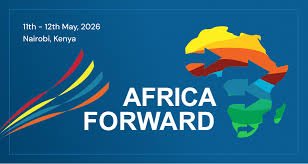
African leaders and their French counterparts are preparing for what could be one of the most consequential diplomatic and economic engagements of the year, as Kenya and France ready themselves to co-host the Africa Forward Summit in Nairobi next month, amid mounting pressure for a fundamentally different model of cooperation between the two sides.
Scheduled for May 11 and 12, 2026, the summit will bring together senior political figures including French President Emmanuel Macron and Kenyan President William Ruto, alongside African heads of state, international investors, development partners, civil society organisations and youth representatives from across the continent.
A dedicated Business Forum on May 11 is expected to anchor private sector engagement and set the direction of conversation for the main summit, where discussions will focus on investment flows, innovation ecosystems and the architecture of long term economic collaboration between Africa and France.
Organisers have been clear that the summit is designed to move well beyond diplomatic ceremony, with concrete partnerships in healthcare, agriculture, digital technology, energy and infrastructure identified as the priority areas around which meaningful commitments are expected.
For African economies including Nigeria, the outcomes carry significant potential, opening pathways to attract fresh investment, accelerate job creation and build greater economic resilience at a moment when global uncertainty continues to generate headwinds for developing nations.
The summit arrives against a backdrop of evolving and at times strained relations between Africa and France. Historically, France maintained deep political, economic and military ties with numerous African countries, particularly across West and Central Africa. In recent years, however, those relationships have attracted growing scrutiny, with critics from within Africa calling for an end to arrangements perceived as imbalanced and a transition toward partnerships grounded in mutual respect and equitable benefit sharing.
At the same time, Africa’s standing on the global stage has grown considerably, powered by a rapidly expanding population, widening consumer markets and an increasingly recognised strategic role in global supply chains. This rising relevance has intensified competition among major world powers for influence across the continent, prompting France to reconsider and recalibrate its approach to African engagement.
The Africa Forward Summit is widely read as part of that recalibration, an attempt by France to reposition itself in the eyes of African partners as a champion of innovation and sustainable development rather than a legacy power seeking to preserve old arrangements.
The timing carries additional significance given its proximity to the upcoming G7 Summit, where Africa’s economic trajectory, climate vulnerabilities and development financing needs are expected to feature prominently on the agenda. Analysts believe the Nairobi meeting could function as a testing ground and a signalling moment for how Africa’s relationships with its international partners evolve from this point forward, with the emphasis shifting from aid driven dynamics to cooperation built on investment and shared interest.
With youth unemployment rising and infrastructure deficits widening across the continent, expectations ahead of the summit are high. Stakeholders and observers are pushing for concrete, implementable commitments to emerge from the gathering rather than the broad declarations and aspirational language that have too often characterised similar forums in the past.
Diplomatic missions in Abuja have indicated that further details on the summit programme will be made available at an upcoming press briefing, but the framing among key stakeholders is already consistent: this is intended to be a defining moment in the reshaping of the relationship between Africa and Europe.
If it delivers on that promise, the Africa Forward Summit could mark a genuine turning point, signalling a transition from the weight of historical ties to a future oriented partnership built on innovation, shared prosperity and outcomes that can be measured and held to account.