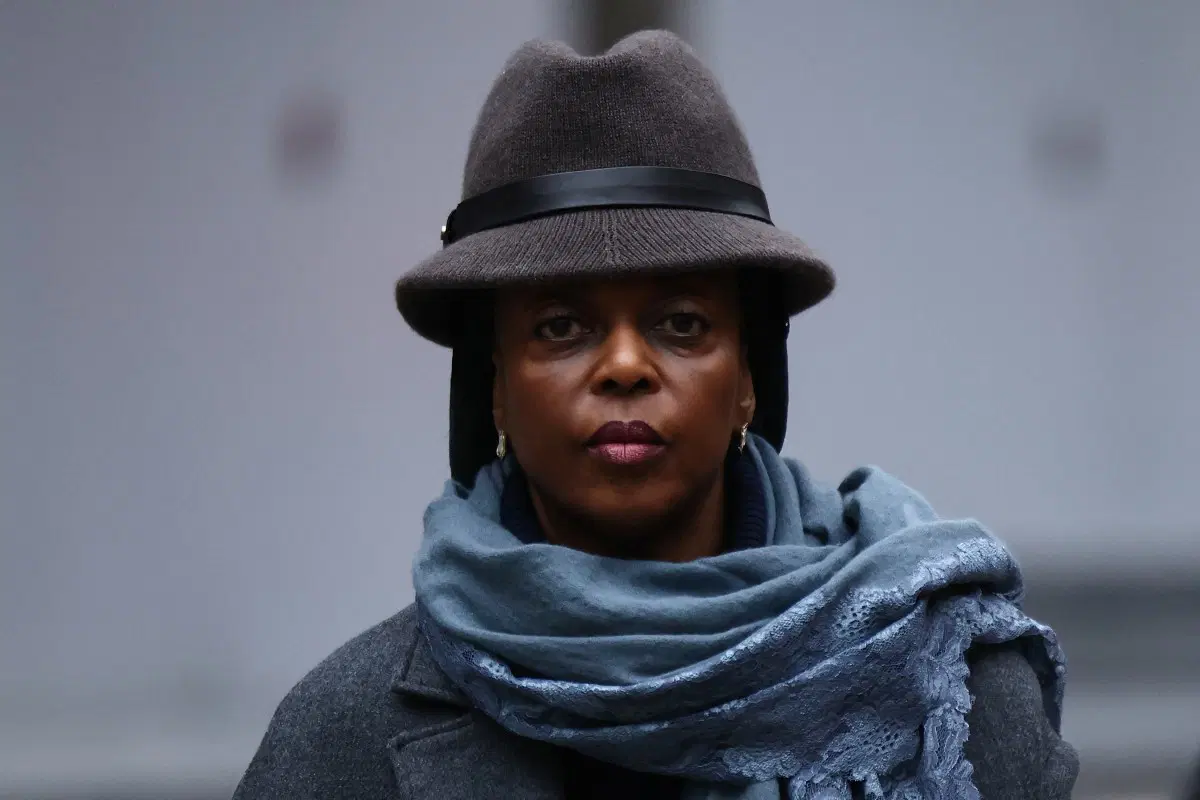
The trial of former Nigerian Petroleum Minister Diezani Alison-Madueke entered a dramatic phase at Southwark Crown Court in London, with the defendant offering a candid and detailed defence that included a declaration of personal accountability, firm denials of financial wrongdoing, and an admission that she had been prepared to face imprisonment over decisions made during her ministerial tenure.
A pivotal moment came when Alison-Madueke addressed a recorded conversation involving Nigerian oil trader Kola Aluko that had been played in court. She told the jury she had informed Aluko that she was willing to go to prison alongside others implicated in related matters, explaining that as minister, ultimate responsibility for decisions made under her watch rested with her. She was clear that the statement was intended to express accountability, not guilt.
The former minister also addressed her decision to meet Aluko despite receiving a threat conveyed through a third party. She told the court the threat did not come directly from Aluko and that it was her duty as petroleum minister to resolve issues affecting Nigeria’s oil sector, regardless of personal risk. She said she reported the matter to the Department of State Services and the Economic and Financial Crimes Commission and had adequate security in place.
On the question of financial exposure linked to oil transactions, Alison-Madueke revealed she initially believed the liability in question was approximately $200 million, only to later discover the figure had ballooned to around $1.3 billion. She maintained the matter should have been handled at the level of the Nigerian National Petroleum Corporation before escalating to her office and disclosed that she had sought presidential approval to remove the NNPC chief at the time.
Addressing allegations that several high-value properties in the United Kingdom were purchased for her benefit, Alison-Madueke denied any ownership or beneficial interest in any of the properties, insisting they belonged to business associates including Aluko. She acknowledged visiting some of the properties and offering interior design advice, but said her involvement went no further.
She also spoke about the personal toll of her ordeal, revealing she was diagnosed with an aggressive form of breast cancer in early 2015, requiring extensive chemotherapy and surgery. She said the illness contributed to her departure from Nigeria near the end of the administration and that she was arrested in 2015 after completing treatment.
In a notable procedural development, the trial judge approved a defence request for certain witnesses to testify remotely from Nigeria, a move that appeared to take the prosecution by surprise.