The contrasting experiences of two African families whose sons were killed in separate shootings in the United States raise questions about humanitarian consideration in visa decisions and the right of grieving parents to bid their children farewell.
The tragic deaths of two young Africans in the United States have brought the emotional consequences of immigration decisions into sharp focus. A Nigerian father was denied a visa to attend his son’s funeral in Boston, while a Ghanaian mother received high level intervention to travel to New York for the burial of her teenage son.
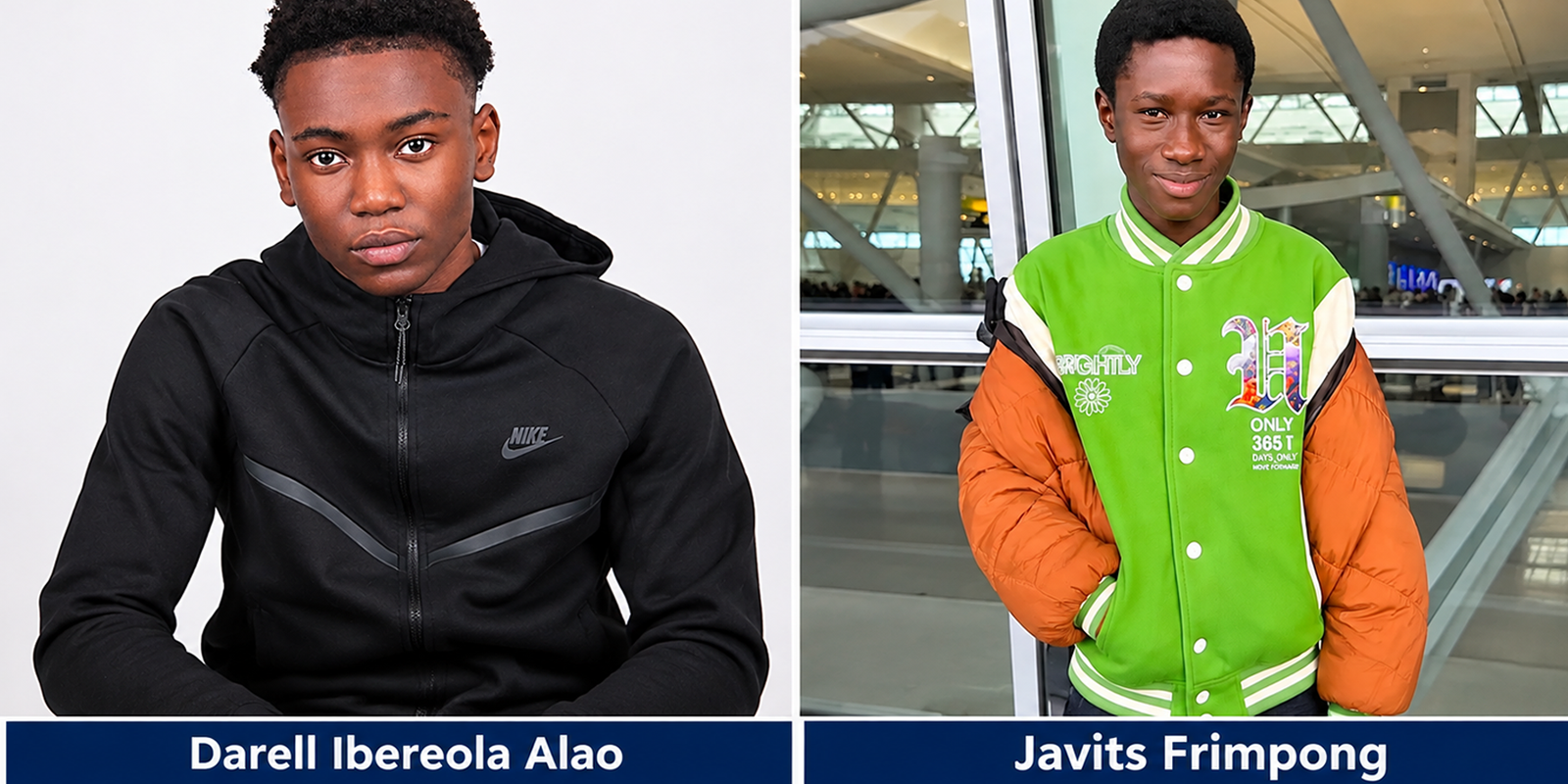
At the centre of these contrasting circumstances are Darell Ibereola Alao, a 20 year old Nigerian American who was fatally shot at a Boston gas station on October 7, 2026, and Javits Frimpong, a 15 year old Ghanaian who was killed while walking to school in the Bronx, New York, on October 29. Although the shootings occurred in different cities under separate circumstances, both families share the devastating experience of losing a child to gun violence. Yet their efforts to bring grieving parents together for a final farewell have produced markedly different outcomes.
Darell was shot on October 7, 2026 at the Akiki gas station and convenience store on Hyde Park Avenue in Boston, Massachusetts. He was taken to hospital, where he was pronounced dead. Born to Nigerian parents, he lived in the United States with his mother, twin brother and sister, while his father resides in Nigeria.
Following his death, his father attended a visa interview at the United States Consulate General in Lagos, seeking permission to travel to America to join his grieving family to attend the funeral slated for November 20, 2026. The application was denied. Documents obtained by Xposure News show that the consulate issued two refusal notices citing separate provisions of American immigration law.
One letter cited Section 214(b) of the Immigration and Nationality Act. It stated that the applicant had not sufficiently demonstrated that his intended activities in the United States were consistent with the requirements of the nonimmigrant visa sought, and that he had not shown sufficiently strong ties to Nigeria to establish his intention to return after a temporary visit. A second notice cited Section 212(f) of the Immigration and Nationality Act, pursuant to Presidential Proclamation 10998, which restricts the entry of certain foreign nationals on national security grounds. The consulate said a National Interest Exception would not be granted in his case. It added that he could submit a fresh application, but that any new application would remain subject to the restrictions and would need new information showing changed circumstances and that his travel was in a critical United States national interest.
The notices clarify the legal grounds the American authorities relied on. They also raise a significant humanitarian question about a grieving father whose immediate purpose is to attend his son’s funeral. The refusal leaves him facing the painful possibility of being unable to attend the burial, comfort his wife and surviving children in person, or perform the final rites associated with laying his son to rest. For a father already separated from his family by thousands of miles, the denial adds another dimension to a devastating tragedy. His son is dead, his wife and children are mourning in America, and the chance to stand beside them remains uncertain.
A similar tragedy unfolded in New York. Javits Frimpong had relocated from Ghana to live with his father, Thomas Frimpong, and was fatally shot while traveling to school in the Bronx. His mother, Doris Adu Gyamfi, remained in Ghana and faced being separated from her son’s funeral by international borders and immigration requirements. Her circumstances drew the attention of New York City Mayor Zohran Mamdani, who contacted United States President Donald Trump directly. On October 31, Mamdani announced that Trump had agreed to facilitate an immediate visa for the grieving mother, enabling her to travel to New York to pay her final respects.
The intervention attracted wide attention because it showed that urgent humanitarian circumstances could receive consideration at the highest levels of the United States government. Ghana’s Foreign Affairs Minister, Samuel Okudzeto Ablakwa, welcomed it and announced that the Ghanaian government would cover the mother’s travel expenses and help with arrangements for her journey. The response reflected a coordinated diplomatic and humanitarian effort to ensure that a grieving mother was not prevented by distance and immigration procedures from attending her child’s funeral.
For Darell’s father, no comparable intervention has been publicly confirmed. That contrast raises a compelling question. If a Ghanaian mother can receive urgent humanitarian consideration to attend her son’s funeral in New York, should a Nigerian father facing a similar tragedy not also have his circumstances carefully and compassionately reviewed?
Both parents have lost children to gun violence. Both were living outside the United States when their sons were killed, and both sought to travel for the same deeply personal reason: to say a final goodbye. Their circumstances are not necessarily identical under United States immigration law, and a visa granted in one case does not establish eligibility in another. Consular officers must assess each application individually under applicable regulations. The restrictions cited in the Nigerian father’s refusal notices also introduce legal considerations that may not have applied to the Ghanaian mother’s application. The human consequences of the decisions cannot be overlooked, however.
United States immigration procedures recognize the death of an immediate family member as a circumstance that may justify an expedited visa appointment. Such consideration does not guarantee approval or override applicable entry restrictions, but it establishes that bereavement is a legitimate basis for requesting urgent attention. The Ghanaian family’s experience shows the potential significance of diplomatic engagement, public attention and timely intervention when extraordinary circumstances arise. It also raises questions about the role Nigerian diplomatic authorities could play in supporting citizens who face urgent humanitarian challenges abroad.
In Darell’s case, an appeal for renewed consideration could involve the Nigerian Ministry of Foreign Affairs, Nigeria’s diplomatic representatives in the United States, relevant American authorities and elected representatives willing to draw attention to the family’s circumstances. Given the restrictions the consulate cited, any further application or request for intervention would need to address the applicable legal requirements, including the conditions governing exceptions under the presidential proclamation. Such intervention would not require immigration laws to be disregarded. It would seek appropriate consideration of the father’s circumstances within the existing legal framework, taking account of the exceptional circumstances surrounding his son’s death.
There is also a deeply personal dimension beyond immigration procedure. Darell’s mother has lost a son. His twin brother has lost the sibling with whom he shared his earliest years, his sister has lost a brother, and his father remains thousands of miles away, unable to provide the physical presence and emotional support families often rely on during bereavement. A funeral is more than a ceremonial gathering. For many families, particularly within African cultural traditions, it is a final act of love, respect and responsibility toward the deceased. A parent’s presence at a child’s burial carries profound emotional and cultural significance, and being unable to attend can deepen the pain of bereavement.
The Nigerian father’s situation deserves attention not because he should be exempt from immigration requirements, but because the circumstances of his application warrant careful humanitarian consideration. The intervention on behalf of Javits Frimpong’s mother shows how government authorities can respond when an ordinary immigration process meets an extraordinary family tragedy. For Darell’s father, a comparable opportunity to have his circumstances reconsidered would offer the same essential outcome: being physically present to mourn his child.
The families of both young victims continue to confront the consequences of gun violence, and their experiences are a reminder that the pain of losing a child does not recognize nationality, geography or immigration status. The question now is whether the compassion extended to one grieving African parent can inspire meaningful consideration for another. For Darell’s father, the request is simple. He wants to travel to the United States, stand beside his grieving family, attend his son’s funeral and say goodbye to the child he will never see alive again. No visa can reverse the tragedy of his son’s death, but an opportunity to be present at the burial could spare a grieving father the additional anguish of being denied that final farewell.