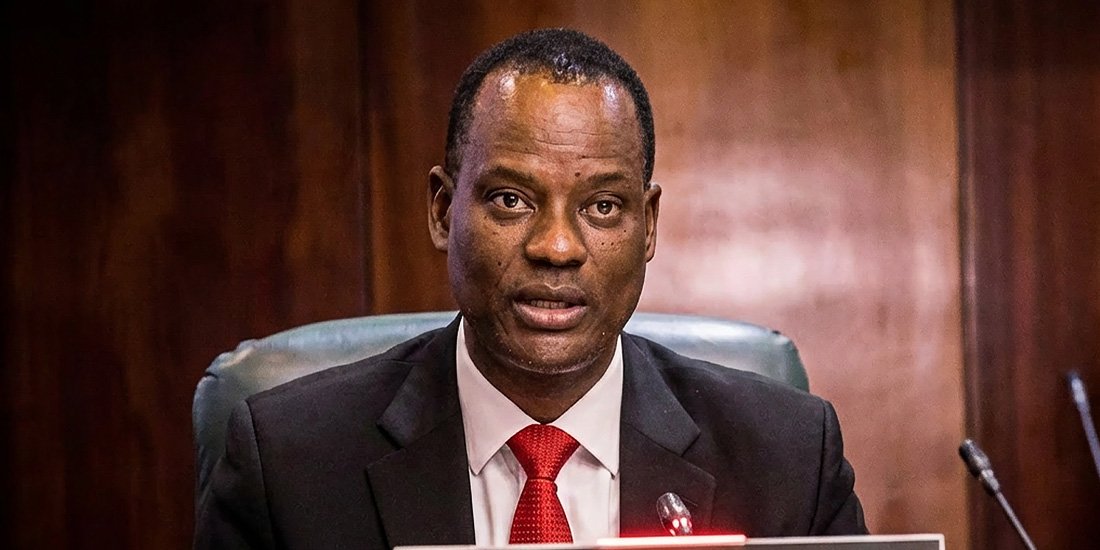
The National Economic Council has endorsed a 90-day action plan focused on easing household costs, improving food affordability and accelerating projects expected to deliver immediate economic benefits.
The decision followed a presentation by Minister of Finance and Coordinating Minister of the Economy Taiwo Oyedele at the council’s 161st meeting, chaired virtually by Vice President Kashim Shettima. The five priorities identified were food affordability, tax harmonization, completion of high-impact projects, removal of investment bottlenecks and targeted household support.
NEC also approved a national project-monitoring dashboard intended to strengthen transparency and track the use of resources, including proceeds associated with petrol subsidy removal. Oyedele identified lower inflation and interest rates as important policy objectives, although the timetable and feasibility of achieving single-digit rates by 2027 remain uncertain.
Shettima urged governors to measure the success of economic reforms by improvements in citizens’ lives, particularly access to healthcare, jobs and affordable transportation. On the national compressed natural gas and electric vehicle initiative, the council agreed to develop a joint federal-state financing framework and engage transport operators to encourage fare reductions for passengers.
The council also received a health preparedness briefing concerning a reported Ebola case in the Federal Capital Territory. Health Minister Ali Pate outlined surveillance, testing, logistics and communication priorities, saying 21 states had updated response plans. The reported case and its status require confirmation from the appropriate public health authorities before any definitive conclusion is drawn.
Separately, President Bola Tinubu met Lee Engineering Group chairman Leemon Ikpea over two compressor stations intended to help the Escravos–Lagos Pipeline System reach its designed capacity of 2.3 billion standard cubic feet of gas daily. The company said some components were being fabricated in Warri, Delta State.
Tinubu said greater use of capable indigenous engineering firms could support employment and retain more value within Nigeria’s energy industry.