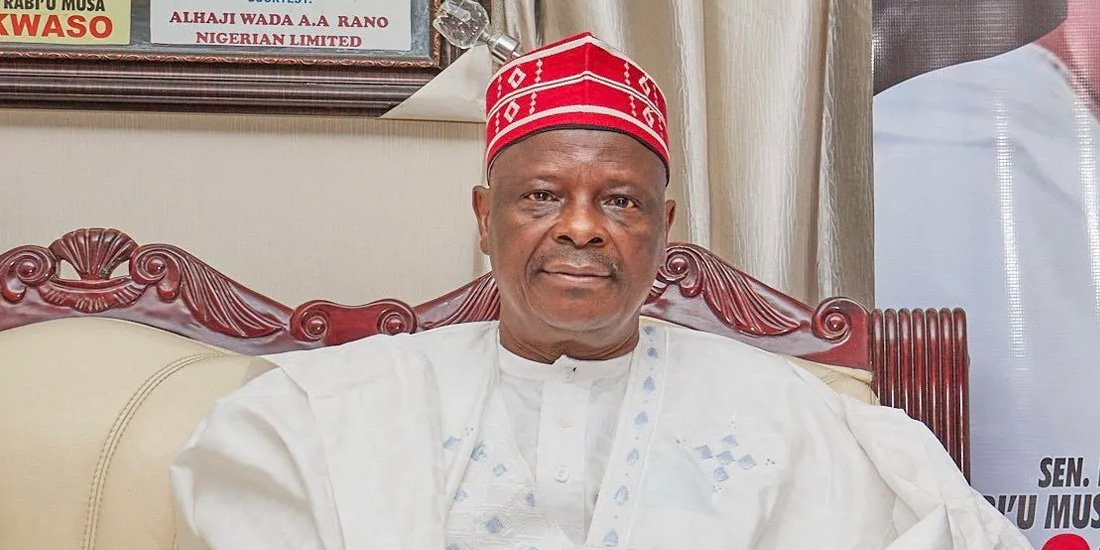
Rabiu Musa Kwankwaso, identified by the Nigeria Democratic Congress as Peter Obi’s running mate for the 2027 presidential election, says the party is considering energy-price interventions, potentially including subsidies, as part of its response to economic hardship.
During an appearance on Channels Television’s Politics Today, the former Kano State governor argued that energy costs were placing an excessive burden on households and businesses. He said the party would examine available options rather than rule out subsidy support in advance.
Kwankwaso criticized the 2023 removal of the petrol subsidy and said his political camp had previously favored addressing leakages and corruption in the petroleum sector before withdrawing support. He did not, in the account provided, set out a detailed funding mechanism or a final subsidy policy.
The former governor said the NDC was preparing a broader policy document covering the economy and national security. On security, he advocated a combination of intelligence, coordinated enforcement and investments in education, employment, healthcare and agriculture.
Drawing on his tenure as Kano governor, Kwankwaso said education initiatives and cooperation among security agencies had been central to his administration’s approach, particularly during the period of Boko Haram threats in the state.
He argued that the party’s electoral prospects should be assessed by public support and policy proposals rather than the number of governors aligned with the ruling All Progressives Congress. He pointed to Obi’s southern support base and the Kwankwasiyya movement’s presence in the North.
Kwankwaso said his decision to run alongside Obi followed consultations and growing agreement about the country’s direction. He also referred to a political understanding between the two camps, while suggesting that Obi should separately confirm its details.
His comments place affordability and security among the proposed opposition ticket’s central campaign issues. The outstanding policy questions include how any subsidy intervention would be financed, targeted and protected from the abuses the former governor himself criticized.