At Nigeria Mining Week, operators cite licensing uncertainty, illegal mining and infrastructure gaps despite commercial gold production gains.
Mining companies and industry representatives have warned that Nigeria will struggle to convert its mineral deposits into major investments without stronger security, clearer regulation and better infrastructure.
The concerns dominated discussions at the opening of the 11th Nigeria Mining Week in Abuja, where speakers called for predictable government decisions and partnerships that can transform mineral prospects into financially viable operations.
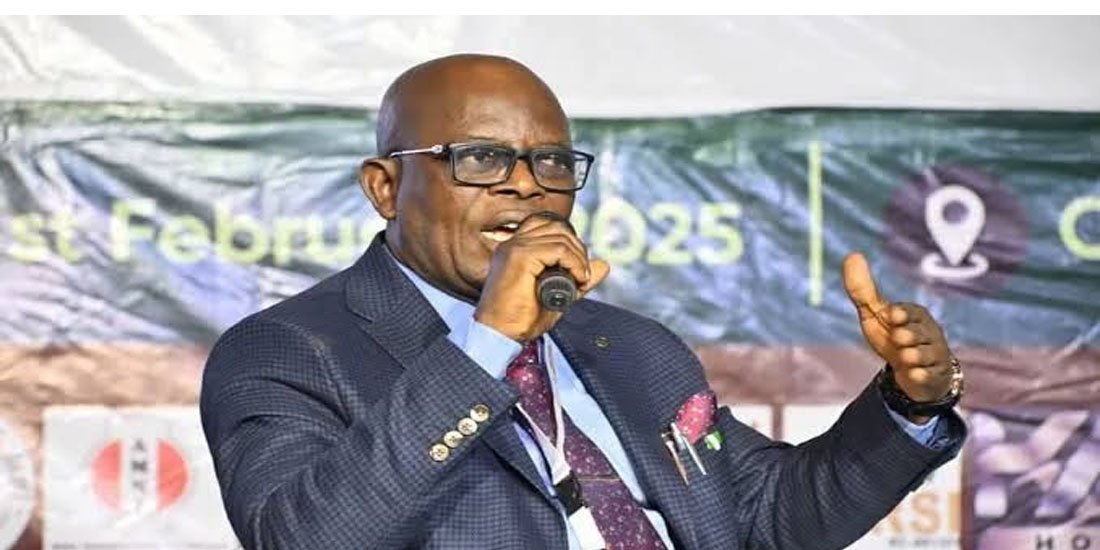
Miners Association of Nigeria president Oba Ayandele Ayanleke identified insecurity along mining routes and disagreements between federal and subnational authorities over regulatory powers as serious impediments. He said greater clarity and cooperation were needed to reassure investors and improve the movement of technology, expertise and capital into the sector.
Ayanleke also referred to a recent mining incident under investigation by a government panel, urging stakeholders to await the findings rather than reach premature conclusions. He said the benefits of industry conferences might not always be measurable immediately but that such meetings could help resolve operational problems.
Segilola Resources Operating Limited country manager Austin Menegbo offered evidence of commercial potential, reporting that the company produced 91,910 ounces of gold in 2025. He said Nigerian nationals made up 99 per cent of its workforce, illustrating the scope for local employment when mines reach industrial scale.
Menegbo nevertheless listed illegal mining, regulatory uncertainty, overlapping official responsibilities, infrastructure shortages, insecurity and limited financing among the challenges that still affect the business environment. He called for more predictable approval schedules, consistent rules and continuing dialogue among companies, government, investors and host communities.
He also argued that artisanal and small-scale mining should be brought further into the formal economy through cooperatives, training, financial access and technical assistance. Expansion, he said, must go alongside environmental safeguards, workplace safety and meaningful benefits for surrounding communities.
Swedish Ambassador Anna Westerholm, the embassy’s Head of Mission in Nigeria, highlighted the potential for cooperation in automation, technology, skills development and responsible mining. She stressed that foreign investment should contribute to local processing, transparent operations, worker protection and community welfare rather than focus solely on extraction.
Westerholm also pointed to mineral traceability as an increasingly important requirement for international buyers seeking assurance about where minerals originate and how they are produced. She said Sweden was willing to deepen trade, investment and technical links with Nigeria.
PwC Nigeria mining industry leader Cyril Azobu said the country needed to move beyond promoting geological potential and develop projects with the technical, regulatory and commercial foundations needed to attract finance. Domestic value addition and mineral processing, he argued, would allow Nigeria to retain more economic benefit than raw-material exports alone.
The conference, themed “Unlocking Investment and Growth through Partnerships,” highlighted a central challenge: commercial successes exist, but wider investment will depend on sustained improvements in security, institutional coordination, project readiness and investor confidence.