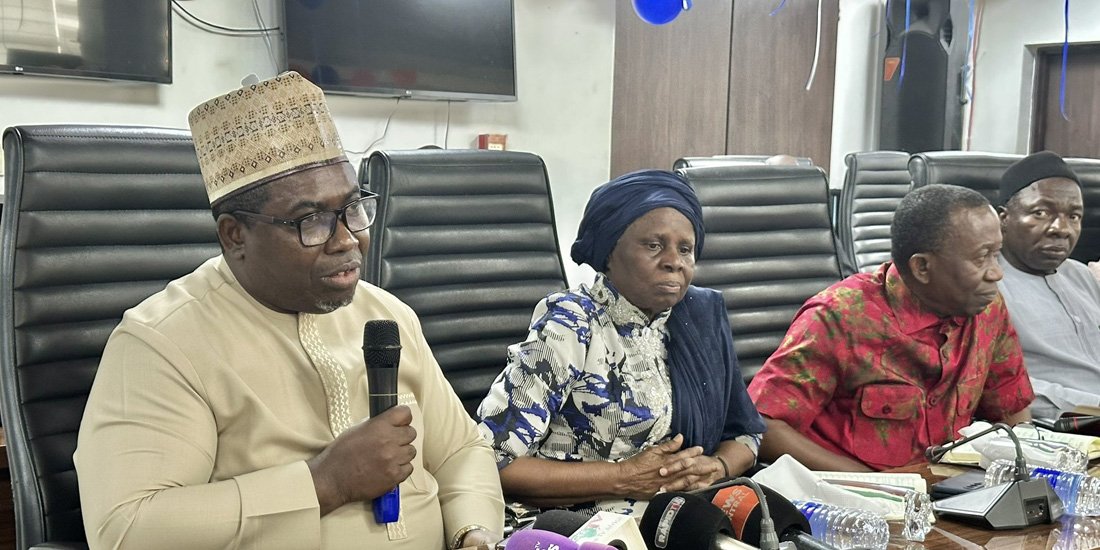
The Independent National Electoral Commission (INEC) and the ECOWAS Network of Electoral Commissions (ECONEC) have adopted new guidelines on the use of Artificial Intelligence (AI) in electoral processes as part of efforts to safeguard election integrity and strengthen democratic governance across West Africa.
The guidelines were validated during a two-day meeting in Nigeria attended by electoral officials and information technology experts from across the sub-region. The move followed recommendations made at an ECONEC symposium held in Dakar, Senegal, in November 2025, where participants agreed on the need for a common framework to regulate the use of AI in elections.
Speaking during a visit by the ECONEC delegation to INEC, ECONEC Permanent Secretary and Head of the ECOWAS Electoral Assistance Division, Serigne Ka, said the guidelines were developed in response to the increasing influence of emerging technologies in electoral administration.
According to him, a working group established after the Dakar symposium held several sessions to produce a draft framework, which was subsequently reviewed and adopted.
“AI is here to stay. There is no way we can do away with AI anymore,” Ka said, stressing the need for electoral management bodies to develop mechanisms for the responsible deployment of the technology.
He noted that attention would now shift to implementation, with electoral commissions expected to share experiences and adapt the framework to their national contexts.
Ka commended INEC for hosting the exercise, describing Nigeria’s growing experience with AI-related electoral initiatives as valuable to the region.
INEC Chairman, Professor Joash Amupitan (SAN), said regional cooperation remained essential in addressing common electoral challenges and ensuring credible elections, particularly as Nigeria prepares for the 2027 general election.
He noted that electoral commissions across West Africa face similar challenges, including electoral technology, voter education, results management, security and dispute resolution.
“No electoral commission has a monopoly on knowledge or experience. We all have valuable lessons to share and much to learn from one another,” he said.
Amupitan disclosed that INEC’s preparations for the 2027 elections include strengthening the voters’ register, testing electoral technologies, training personnel and expanding engagement with political parties, civil society groups, security agencies and the media.
He also stressed the need for intensified voter and civic education to encourage peaceful participation and improve understanding of electoral processes.