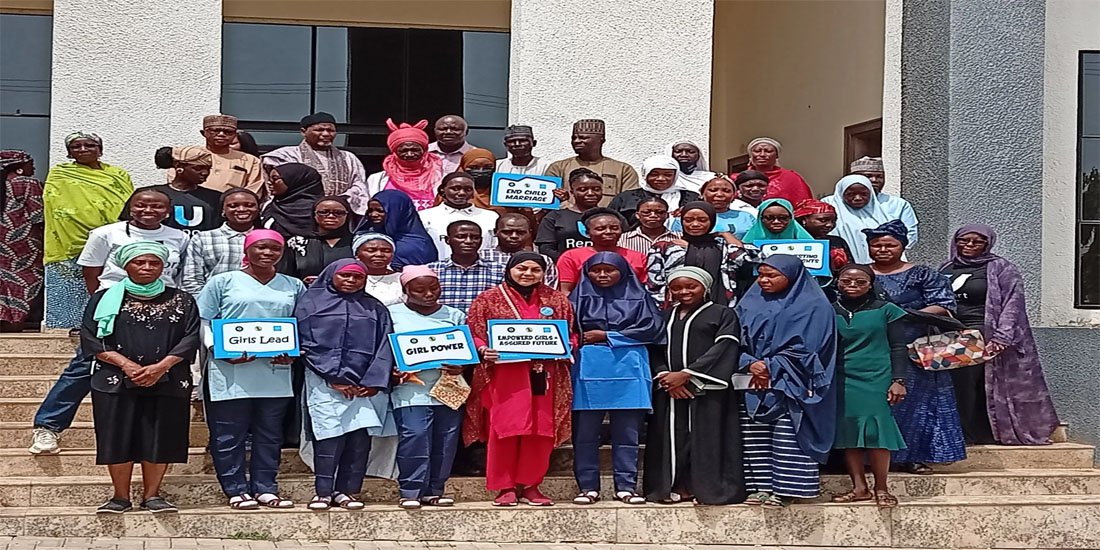
The United Nations Children’s Fund (UNICEF) has called for stronger collective action to end child marriage and ensure equal access to education and opportunities for girls, particularly those from vulnerable backgrounds.
The appeal was made during the commemoration of the 2026 International Day of the Girl Child in Gombe, organised by UNICEF’s Bauchi Field Office under the theme, “End Child Marriage and Invest in Girls’ Rights.”
Speaking at the event, Chief of UNICEF Bauchi Field Office, Dr. Nuzhat Rafique, said no nation could achieve sustainable development without providing boys and girls with equal educational opportunities.
She lamented that millions of girls worldwide continue to face discrimination, poverty, violence and conflict, limiting their ability to realise their full potential.
According to UNICEF estimates, one in five girls globally is married before the age of 18, while more than 12 million girls enter child marriages every year.
Rafique noted that child marriage deprives girls of education, exposes them to violence and health risks and increases their vulnerability to social isolation and psychological distress.
She stressed that the practice remains preventable through investments in education, social protection and legal reforms, which she said have helped avert an estimated 68 million child marriages over the past 25 years.
The UNICEF official urged governments, traditional rulers, civil society groups and communities to work together to protect girls’ rights and ensure they can grow, learn and determine their own futures.
Also speaking, Gombe State Commissioner for Local Government and Community Development, Barrister Sani Ahmed Haruna, represented by Abdulrazak Abdulmumini, described child marriage as a major human rights and public health challenge.
He called for collective action by governments, families, religious leaders and civil society organisations to end the practice and safeguard children’s rights.