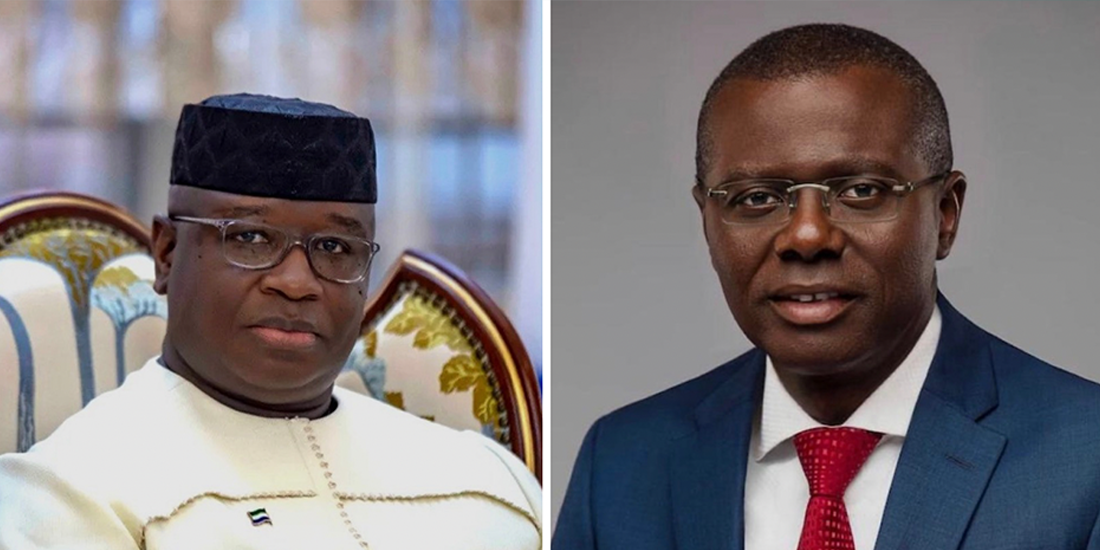
President Julius Maada Bio, Governor Babajide Sanwo-Olu and Tony Elumelu want investment-ready projects to turn decades of integration pledges into economic activity.
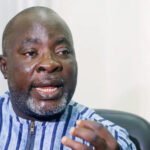
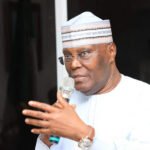
Sierra Leone President Julius Maada Bio, Lagos State Governor Babajide Sanwo-Olu and Heirs Holdings Chairman Tony Elumelu have called for a stronger partnership between governments and private investors to build a more integrated West African economy.
The leaders spoke in Lagos at a media roundtable linked to the West Africa Investment and Industrialization Summit Private Sector Advisory Board meeting. The summit is scheduled for November 16 to 18, 2026, in Freetown, Sierra Leone.
Bio said West African countries had discussed economic integration for decades without creating a sufficiently connected market. He urged governments and businesses to develop practical arrangements that would allow enterprises to serve more than 400 million consumers across the region.
Sanwo-Olu said African economies needed to increase the goods and services they produced for their own populations. He identified technology, agriculture and other productive sectors as areas where cooperation could expand markets and create jobs.
Elumelu, a co-chair of the summit, said the private sector welcomed political support for cross-border investment. He argued that the region had the resources, talent and entrepreneurial capacity to create broader prosperity if barriers to business and investment were addressed.
Organisers said the summit would seek to advance a pipeline of more than $180 billion in proposed investment opportunities. The projects span energy trade and industrial development, strategic minerals, agribusiness and food systems, and digital connectivity.
The programme is intended to connect governments, development finance institutions, project sponsors and private investors with bankable opportunities, rather than end with declarations of interest. The organizers said a secretariat would track commitments and follow project progress.
The meeting comes as the Economic Community of West African States marks five decades since its establishment, prompting renewed questions about the practical economic benefits of integration.
The $180 billion figure represents a proposed investment pipeline, not financing already secured or projects already completed.