The federal government has outlined a package of education initiatives aimed at improving learning facilities, teacher quality, digital access and employment-oriented skills across Nigeria.
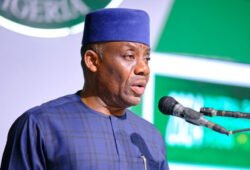
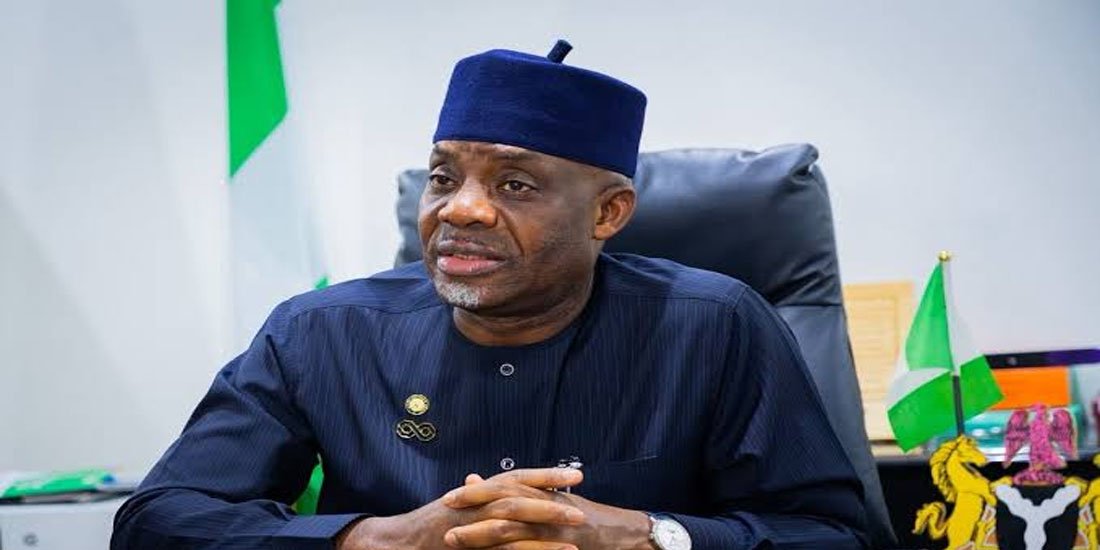
Minister of Education Maruf Alausa presented the measures at the 85th Joint Consultative Committee on Education plenary meeting in Port Harcourt, Rivers State. He was represented by Folake Olatunji-Davies, a senior official of the Federal Ministry of Education.
Alausa said the Nigerian Education Sector Renewal Initiative provided a coordinating framework for reforms covering quality assurance, science and technology education, technical and vocational training, digital learning and inclusion.
Among the programmes he highlighted were the Renewed Hope Energising Education Programme and Next Gen Student Hostel projects at institutions including Yaba College of Technology and Lagos State University. The ministry said the interventions were intended to improve the physical environment in which students learn and live.
The minister also pointed to rehabilitation and upgrading of medical schools and engineering and technology faculties, alongside a National Digital Learning Initiative supporting smart classrooms and digital resources.
He said enrolment campaigns, alternative learning pathways and collaboration with state governments and development partners were being used to address the challenge of out-of-school children.
The government was also developing vocational and innovation hubs in federal polytechnics and colleges of education to provide practical skills aligned with labour-market needs, Alausa said.
He emphasised that successful implementation would require accountability and contributions from states, communities, corporate organisations and development agencies.
Rivers State Governor Siminalayi Fubara, represented by Commissioner for Education Peters Nwagor, said school infrastructure and teacher welfare had to improve together. He described teachers’ training, motivation and professional support as decisive influences on learning outcomes.
The meeting’s recommendations are expected to inform further policy discussions across the education sector. The minister’s address outlined initiatives and intentions rather than providing a complete independently verified account of project delivery.