Nigeria has recorded the biggest upward movement in Bloomberg Economics’ 2026 Investment Risk O Meter for Africa, rising four places to eighth among 19 economies assessed and moving ahead of Rwanda, Tanzania, Kenya and Namibia.
The ranking identified improvements in Nigeria’s economic strength, fiscal strength and external vulnerability as the main factors behind the advance. Mauritius took the top position, while South Africa slipped from the lead it held in the previous assessment. Botswana also lost ground.
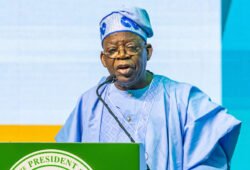
Nigeria’s improved position offers a favorable external assessment of some of the macroeconomic changes that have followed the reform programme introduced by President Bola Tinubu’s administration since 2023. The government removed the petrol subsidy, liberalized the foreign exchange market and introduced changes to electricity tariffs as part of efforts to reduce fiscal distortions and attract investment.
Those measures have also imposed significant costs on households and businesses. Higher fuel, transport and energy expenses have fed into inflation and weakened purchasing power, leaving the country with a difficult balance between macroeconomic adjustment and living standards.
Bloomberg’s assessment nevertheless indicates that Nigeria has strengthened its relative position against several competing African markets. Economic growth remained positive through the period under review, reaching 3.85 per cent in 2025 before expanding by 3.89 per cent in the first quarter of 2026 and 4.43 per cent in the second quarter.
The figures suggest a gradual improvement in activity after the initial disruption caused by the reforms, although the pace of growth remains modest when measured against Nigeria’s rapidly expanding population and the scale of its employment and development needs.
Fiscal conditions were another area highlighted in the assessment. Government revenue has benefited from stronger oil production, higher non oil collections and measures intended to widen the tax base. At the same time, public debt and debt servicing continue to place substantial pressure on government finances.
Debt Management Office figures cited in the report showed total public debt rising from N87.38 trillion at the end of June 2023 to N159.28 trillion by the end of December 2025. The increase reflected new borrowing, exchange rate effects and the securitization of legacy obligations.
Nigeria has also attempted to reduce its external vulnerability through a more flexible foreign exchange regime and measures aimed at raising oil output. The country, however, remains heavily dependent on crude oil for foreign exchange earnings despite efforts to expand manufacturing, agriculture, gas and non oil exports.
The power sector and petrol market remain central to the reform programme. The government says tariff changes and subsidy removal are intended to reduce fiscal burdens and improve the sustainability of critical sectors. For households and businesses, however, the transition has brought a sharp increase in operating and living costs.
Nigeria’s rise to eighth therefore does not mean the economy has become a low risk investment destination. Rather, it shows that its position has improved relative to other African economies at a time when investors are weighing growth prospects, fiscal conditions, external buffers and policy stability across the continent.
Whether the improvement can be sustained will depend on the government’s ability to consolidate macroeconomic gains while addressing infrastructure gaps, debt pressures, institutional weaknesses and the cost of living crisis.