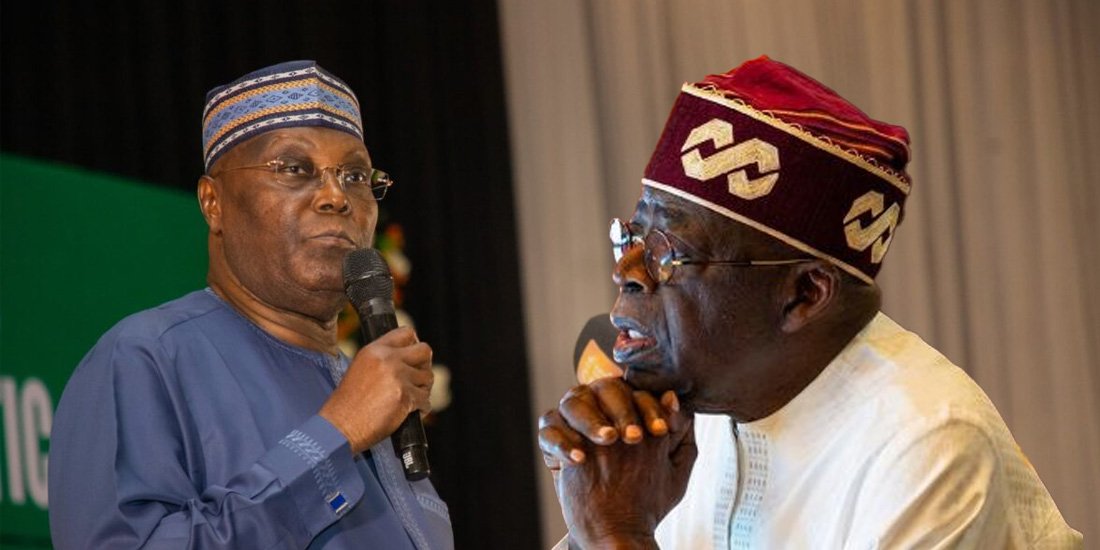
Former Vice President and African Democratic Congress (ADC) presidential candidate, Atiku Abubakar, has challenged President Bola Tinubu to explain Nigeria’s rising public debt profile despite what the government describes as significant improvements in revenue generation following recent economic reforms.
In a statement issued by the Director of Strategic Communications of the ADC Presidential Campaign Council, Phrank Shaibu, Atiku expressed concerns over the country’s debt trajectory, arguing that Nigerians have yet to experience the benefits of the administration’s economic policies.
According to him, Nigeria’s public debt increased from ₦49.85 trillion in March 2023 to ₦166.79 trillion by June 2026, despite government claims of increased revenues.
Atiku said the administration owed Nigerians a detailed explanation of why borrowing remained a central component of fiscal management when revenue collections were reportedly increasing.
“A government that says more money is coming in must explain why it keeps borrowing and why the people paying for its policies cannot see the promised gains,” he stated.
The former vice president called on President Tinubu to provide a comprehensive breakdown of the debt profile, including inherited liabilities, exchange-rate adjustments affecting foreign obligations, new loans obtained since 2023, repayments made, and outstanding balances.
He further argued that positive macroeconomic indicators cited by government officials had not translated into improved living conditions for ordinary Nigerians.
According to Atiku, the success of economic reforms should be measured by their impact on citizens’ ability to afford essential needs such as food, housing, transportation, healthcare, education, and electricity.
He referenced an International Monetary Fund (IMF) assessment issued in June 2026, which acknowledged improvements in Nigeria’s macroeconomic outlook while noting that many citizens continued to face difficult economic conditions. The report estimated poverty levels at 63 per cent and indicated that millions of Nigerians experienced food insecurity in 2025.
Atiku also cited data from civic technology organisation BudgIT, which showed that by the third quarter of 2025, the country had spent ₦12.52 trillion on debt servicing against ₦18.63 trillion in revenue, while the 2026 fiscal framework projected a deficit of approximately ₦31.45 trillion.
The ADC candidate questioned the government’s continued dependence on borrowing, arguing that rising debt obligations could undermine the gains of economic reforms.
In addition, he demanded clarification regarding $39.25 million classified as “other charges” in the Debt Management Office’s second-quarter 2026 external debt service report, including a $22.5 million charge linked to a First Abu Dhabi Bank Total Return Swaparrangement.
Atiku asked the government to disclose the nature of the transaction, the authorising agreement, the amount originally drawn, and any outstanding obligations associated with the facility.
He also sought a detailed reconciliation of the ₦19.48 trillion Treasury Bills outstanding as of June 30, 2026, insisting that Nigerians deserved transparency regarding amounts redeemed, rolled over, and newly borrowed.
The former vice president concluded by calling on President Tinubu and the ruling All Progressives Congress (APC) to acknowledge and apologise for the economic hardships many Nigerians have faced since the implementation of the administration’s reform agenda.