Nigeria has delivered a pointed message to South Africa: the targeting of Africans, including Nigerians, because of where they come from and the colour of their skin, has to stop.
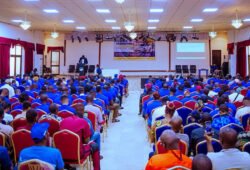
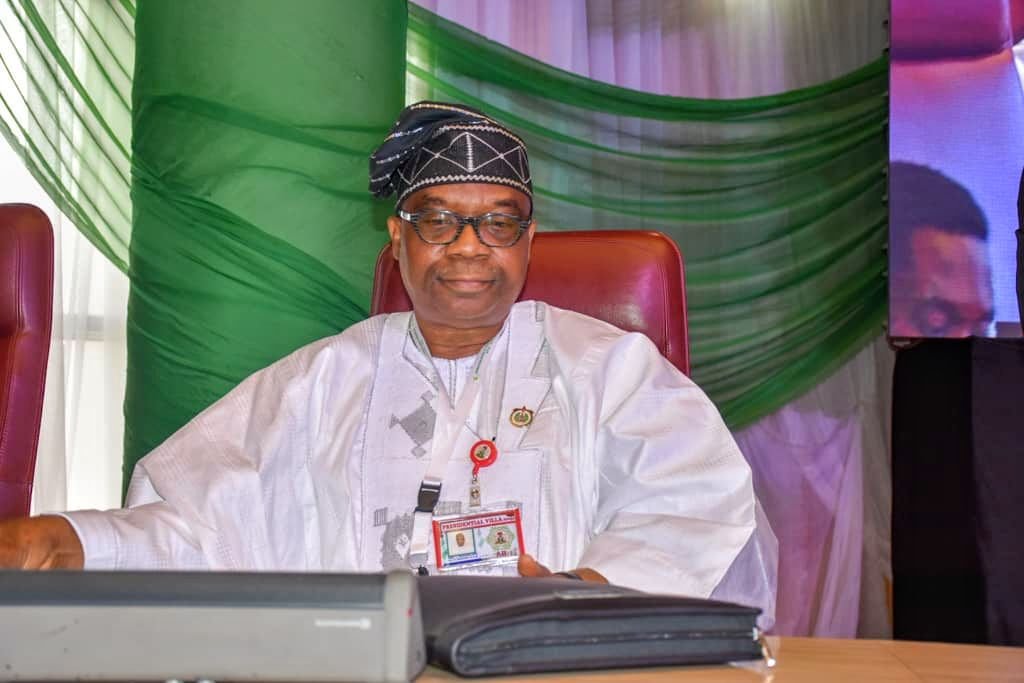
The message came from Minister of State for Foreign Affairs Olusola Enikanolaiye, who opened a roundtable in Abuja organised by the Nigerian Institute of International Affairs on xenophobia in South Africa viewed in comparative context. He urged Pretoria to enforce its own immigration laws through proper channels rather than allow vigilante groups to take on that role, arguing that violence is never an acceptable substitute for lawful enforcement.
Enikanolaiye argued that what is unfolding in South Africa is not simple xenophobia but something he called Afrophobia, a pattern in which Africans are singled out while people of other nationalities or races are largely left alone. He noted the irony that citizens of countries which stood by South Africa during apartheid, Nigeria among them, are now being cast as unwelcome outsiders. Nigeria, he said, backed the anti apartheid movement politically and diplomatically and opened its doors to South Africans at real cost to itself, a history that carries obligations that go beyond trade figures or diplomatic statements.
He also pushed back on the idea that migrants are to blame for unemployment, crime or strain on public services, calling such claims largely unsupported by evidence. Those pressures, he said, are structural problems that migrants did not create and cannot fairly be asked to answer for. He drew a distinction between patriotism, which builds a country up, and a politics of exclusion that tears at the region’s shared future, warning that the cycle of hostility damages South Africa’s global standing, deters investment and undermines the moral credibility it earned through its own liberation struggle. Nigeria proposed reviving joint mechanisms between the two countries, including a Binational Commission, to address the issue formally.
Responding for South Africa, Consul General in Lagos Bobby Moroe rejected the xenophobia label outright, arguing that isolated criminal acts by vigilante groups should not define an entire population. He noted that South Africa hosts roughly 3.9 million migrants, about 6.3 percent of its population of 65 million, including 2.4 million documented foreign nationals, all of whom remain entitled to constitutional protection regardless of their status.