The Independent National Electoral Commission (INEC) has announced the commencement of the 2027 election campaign season, while projecting that Nigeria’s registered voter population could exceed 100 million ahead of the general elections.
INEC’s timetable provides for the presidential and National Assembly elections to hold on January 16, 2027, while the governorship and state House of Assembly elections are scheduled for February 6, 2027.
Under the electoral guidelines, political parties are permitted to commence public campaigns from August 19, 2026, but must end their campaigns 24 hours before the respective election days.
The commission said Nigeria’s voter register, which previously stood at more than 93 million, is expected to rise beyond 100 million following the nationwide Continuous Voter Registration (CVR) exercise.
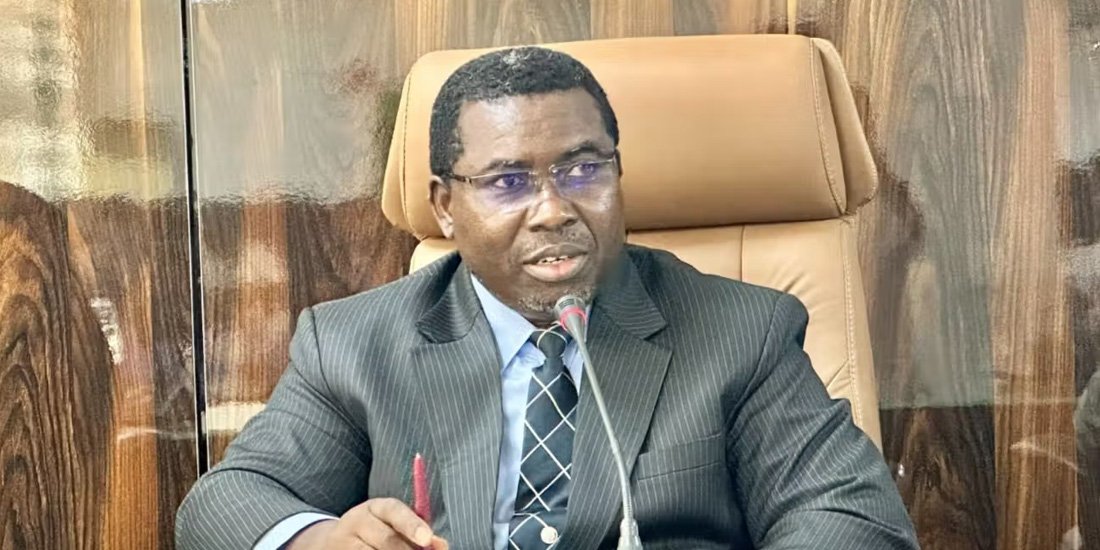
INEC National Commissioner and Chairman of the Information and Voter Education Committee, Mohammed Haruna, disclosed this in Abuja at a joint implementation meeting of the Departments of Voter Education and Publicity and Gender and Inclusivity.
The meeting focused on developing a communication and inclusivity roadmap for the 2027 elections, with the objective of ensuring that the polls are free, fair, credible, peaceful and inclusive.
Haruna urged INEC’s information officers to intensify voter education and public awareness ahead of the elections.
He said effective communication would require officials to use simple and civil language while maintaining a strong understanding of the Constitution, electoral laws and other relevant legislation.
Haruna also called on the commission to build on lessons from recent off-cycle elections, including the Osun governorship election, to deliver what he described as the freest and most credible general elections in the country’s history.
The Chief Press Secretary to the INEC Chairman, Adedayo Oketola, said the departments responsible for voter education and inclusivity constituted the “human face and voice” of the commission.
Oketola stressed the need for proactive and continuous public engagement to counter misinformation and strengthen public confidence in the electoral process.
He said public communication should go beyond routine announcements to include regular civic education on electoral technologies such as the Bimodal Voter Accreditation System (BVAS) and the INEC Results Viewing Portal (IReV).
On inclusivity, Oketola said women, youths, persons with disabilities and elderly voters must have unhindered access to the electoral process.
He cited measures such as Braille ballot guides, magnifying glasses, priority queues for vulnerable voters and increased youth participation through CVR as part of efforts to improve electoral access in 2027.
Meanwhile, the ruling All Progressives Congress (APC) said it was finalising a nationwide campaign programme ahead of the 2027 elections.
Although August 19 was fixed by INEC as the earliest date for the commencement of presidential and National Assembly campaigns, APC National Publicity Secretary, Felix Morka, said the party was not under any obligation to begin its campaign immediately.
Speaking after a National Working Committee meeting in Abuja, Morka said the party was consulting with key stakeholders and candidates before unveiling a comprehensive campaign schedule.
He said the APC was focused on developing a coordinated strategy rather than rushing into campaign activities.