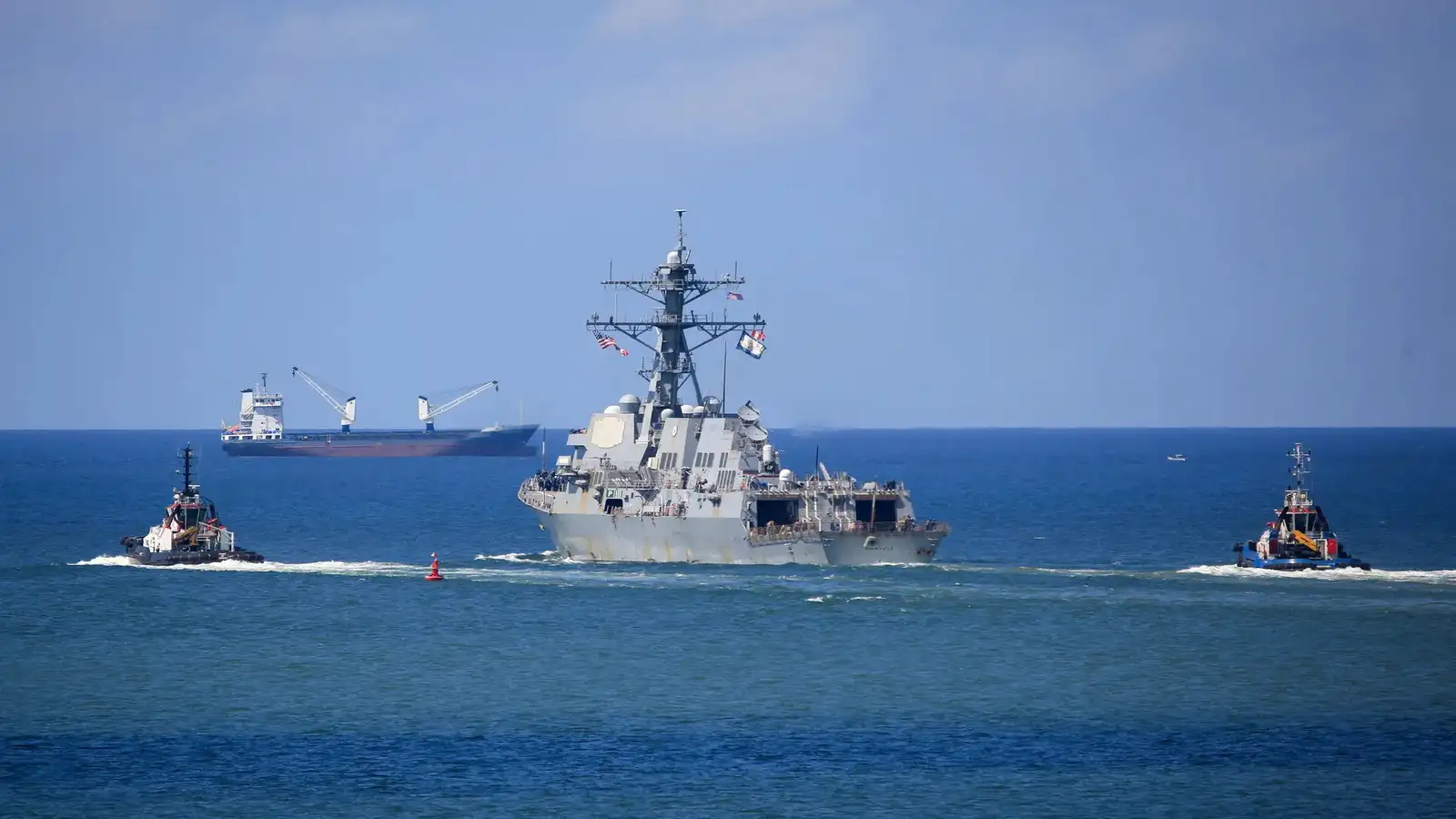
Iran and Oman have reportedly made significant progress in negotiations aimed at reopening the strategic Strait of Hormuz, a development that could ease tensions in the Middle East and restore stability to one of the world’s most critical oil shipping routes.
According to regional officials familiar with the talks, the proposed agreement would allow vessels entering the Persian Gulf to use an Iranian-controlled shipping lane, while outbound traffic would transit through a route managed by Oman. The arrangement would also include service fees for maritime security and environmental protection.
The officials, who spoke anonymously because of the sensitive nature of the negotiations, cautioned that discussions are still ongoing and the final terms could change. They added that any agreement would likely be linked to the lifting of U.S. restrictions on Iran’s ports.
If concluded, the deal would represent a significant strategic gain for Iran by formalising its role in managing access through the vital waterway. However, analysts say the United States could oppose the arrangement if it believes it grants Tehran excessive control over international shipping.
A U.S. official familiar with the negotiations maintained that any temporary shipping arrangements would not require Iranian approval or involve transit charges. The official reiterated Washington’s position that the Strait of Hormuz should remain an open international waterway where no single country controls maritime access.
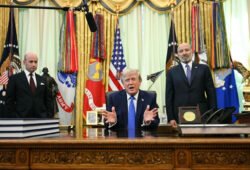
The reported breakthrough comes as U.S. President Donald Trump faces increasing domestic pressure to de-escalate the Middle East conflict amid rising fuel prices and growing concerns over the cost of military operations.
Speaking to reporters on Monday, Trump reaffirmed his opposition to any tolls being imposed on vessels using the strait.
“I’m not going to let them charge,” the U.S. president said. “Anybody’s going to charge, we’ll charge.”
The Strait of Hormuz remains one of the world’s most strategically important maritime corridors, serving as a key transit route for a significant share of global oil exports. Negotiators are expected to continue discussions in the coming days in an effort to reach a final agreement.