The Federal Government has demanded justice for Nigerians killed in South Africa and compensation for those who lost businesses, properties and other valuables during repeated xenophobic and Afrophobic attacks.
The government also maintained that while diplomacy remains its preferred approach, it is not without options in responding to the attacks on its citizens.
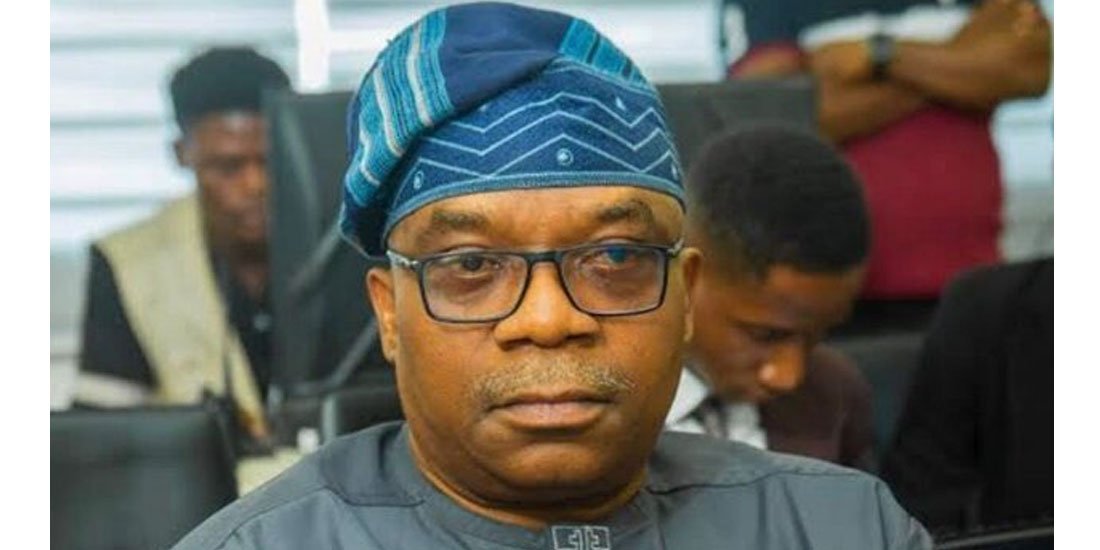
Minister of State for Foreign Affairs, Ambassador Sola Enikanolaiye, disclosed this after briefing President Bola Tinubu on his meeting with South African President Cyril Ramaphosa’s Special Envoy and Minister of International Relations and Cooperation, Ronald Lamola, in Abuja.
Nigeria raises concerns over attacks
Enikanolaiye said the Nigerian government had identified a disturbing pattern of violence against Nigerians in South Africa, noting that official records indicate that 98 Nigerians have been killed since 2022 in mob attacks and other hate-related incidents.
He said Nigeria made it clear during discussions with the South African delegation that no protest or grievance could justify the harassment, killing or destruction of the property of Nigerians or other African nationals.
“We have seen a pattern that has become a concern to the Nigerian government,” the minister said, adding that the South African delegation acknowledged Nigeria’s concerns during the meeting.
Government compiling compensation claims
The minister disclosed that the Federal Government has begun compiling a comprehensive database of losses suffered by Nigerians in South Africa to support future compensation claims.
According to him, claim forms have already been distributed to affected Nigerians to document destroyed businesses, looted property and other losses.
“You can’t even make a claim unless you know exactly the volume and distribution of those making those claims,” he said.
Enikanolaiye explained that although South Africa had expressed reservations about compensation, existing legal mechanisms under South African law could provide avenues for victims to seek redress.
He described the compensation process as a work in progress, stressing that Nigeria would formally present its claims after completing the verification exercise.
Nigeria demands accountability
The minister said Nigeria also submitted a list of Nigerians killed in South Africa since 2022 and demanded thorough investigations and prosecution of those responsible.
According to him, South African authorities informed the Nigerian delegation that some arrests had been made and prosecutions were ongoing.
“We insisted on convictions. That was one of the major issues we discussed,” Enikanolaiye said.
He stressed that every Nigerian, irrespective of immigration status, deserves protection under the law.
“Whether they are regular or irregular, they are human beings. Even criminals have a right to life. You cannot simply hunt and kill people because they are accused of crimes,” he said.
Diplomacy remains preferred option
While reaffirming Nigeria’s commitment to diplomacy, the minister stressed that the government was not powerless in protecting its citizens.
“We are not helpless in this situation. All options are still on the table,” he said.
Enikanolaiye noted that both countries had agreed to reactivate the Nigeria-South Africa Bi-National Commission and the Early Warning Mechanism as part of efforts to prevent future attacks and improve bilateral relations.
Nearly 1,500 Nigerians evacuated
The minister disclosed that about 1,490 Nigerians affected by the violence had already been evacuated from South Africa, with some evacuation flights funded by private individuals.
He thanked President Tinubu for approving government support for the evacuation exercise and said additional funding was being explored to assist more Nigerians who wished to return home.
Tinubu prioritises welfare of Nigerians
Enikanolaiye said the welfare and protection of Nigerians remain at the heart of the Tinubu administration’s foreign policy.
According to him, the government’s diplomatic engagements are aimed at safeguarding the rights, security and economic interests of Nigerians both at home and abroad.
He added that President Tinubu agreed that the violence was more accurately described as Afrophobic rather than xenophobic and would leverage his relationship with President Ramaphosa to pursue a lasting solution.
The minister expressed optimism that continued dialogue between both countries would help address the recurring attacks while strengthening diplomatic ties between Nigeria and South Africa.