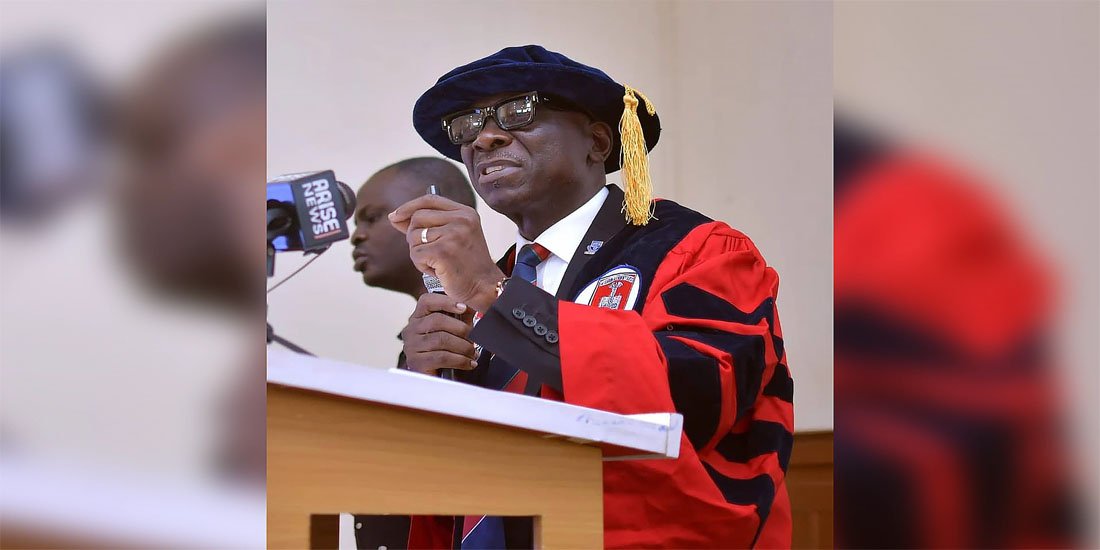
Nigeria’s healthcare system needs a comprehensive overhaul to avert a worsening workforce crisis threatening national health security, Professor Thadius Ijadunola told the 5th Oladipo Akinkugbe Distinguished Lecture at the University of Medical Sciences, Ondo, warning that the country is facing a dangerous double depletion of its medical workforce.
Delivering the lecture, titled Reimagining the Nigerian Healthcare System: Leadership, Research and Innovation for the Future, Ijadunola, a Professor of Community Medicine at Obafemi Awolowo University, Ile Ife, described the simultaneous mass migration of younger healthcare professionals and the retirement of experienced personnel as a double depletion effect that is weakening both current service delivery and future leadership capacity within the sector. The health workforce attrition crisis constitutes an existential threat to health security and institutional resilience, he said, according to a statement from University of Medical Sciences Public Relations Officer Isaac Oluyi, reversing the trend will require bold policy decisions, sustained investment and coordinated action from governments, healthcare institutions, development partners and other stakeholders. He argued Nigeria needs a multi pronged strategy combining managed migration frameworks, enhanced remuneration, improved working conditions and targeted expansion of the primary healthcare workforce, alongside far reaching reforms in health financing, human resources management, gender responsive healthcare, health policy, legislation, research priorities, economic management and relevant constitutional provisions. By addressing the fundamental gaps in health funding, human resources management, gender responsive care, health policy and legislative enactments, health research priorities, economic management and relevant constitutional provisions, he said, Nigeria can build a healthcare system that truly works for all its citizens, leaving no one behind.
Ijadunola said his lecture offers a practical roadmap for transforming the sector, arguing renewed political commitment would let Nigeria harness technology, innovation and gender equitable policy to expand access to quality, affordable healthcare, a step he called both a moral imperative and a crucial move toward a healthier, more prosperous and equitable Nigeria. In her welcome address, UNIMED Vice Chancellor Ebunoluwa Adejuyigbe described the annual lecture as more than an academic tradition, calling it a solemn celebration of the legacy of the late Emeritus Professor Oladipo Akinkugbe, the university’s pioneer Pro Chancellor and Governing Council Chairman, whose principled leadership and administrative excellence helped shape the institution’s ethos. She called this year’s theme especially fitting given the challenges facing Nigeria’s healthcare sector, calling on stakeholders to embrace courageous leadership, strengthen research capacity, foster innovation and build a resilient, equitable and sustainable system, and expressed hope the lecture’s intellectual engagement would generate practical solutions and policy direction for healthcare delivery in Nigeria and beyond. Ijadunola thanked immediate past Vice Chancellor Adesegun Fatusi for providing scholarly material that enriched the lecture’s preparation, alongside other referenced authors and organisations. The annual lecture, organised by the University of Medical Sciences, Ondo, honours the memory of Emeritus Professor Oladipo Akinkugbe’s contributions to medicine, higher education, leadership and national development while providing a platform for discourse on issues of strategic importance to Nigeria’s healthcare system.