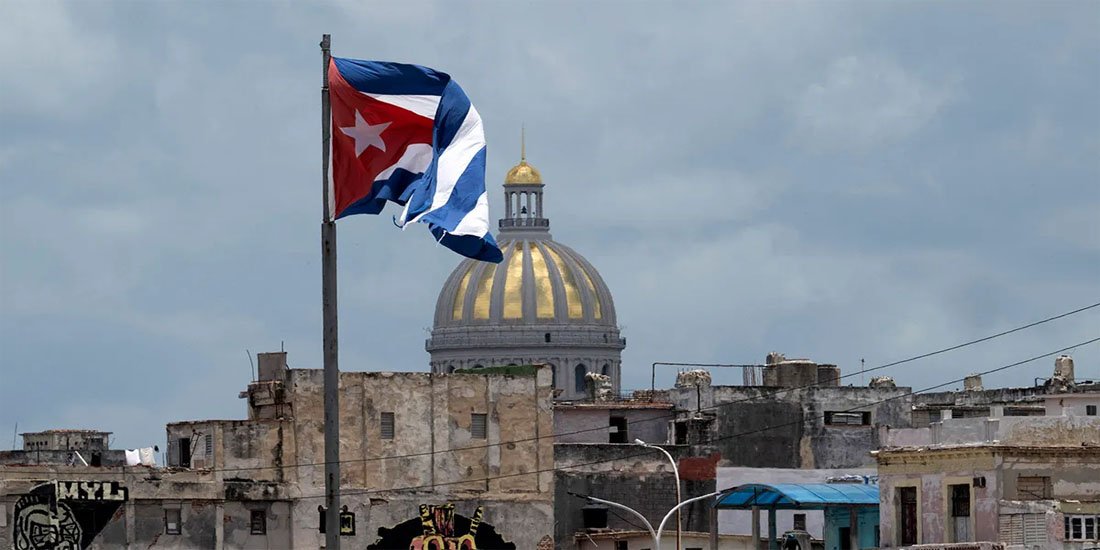
The United States has widened its sanctions against Cuba, adding the country’s Ministry of Tourism and nine other state linked entities to its sanctions list, the latest escalation in Washington’s decades long economic pressure campaign against the island nation.
The US State Department’s newly announced measures extend restrictions to organisations involved in tourism, fuel imports, exports and foreign trade, including ENETEC S.A., Coreydan S.A. and the Foreign Trade Business Group, with the Ministry of Tourism, one of Cuba’s most important foreign exchange earners, emerging as a key target. The sanctions were imposed under an executive order President Donald Trump signed on May 1, broadening the administration’s authority to pressure Havana; Secretary of State Marco Rubio said Washington will continue deploying economic and diplomatic measures as part of its Cuba policy, describing the sanctions as intended to hold the Cuban government accountable.
Cuba condemned the new restrictions as an attempt to deepen its economic crisis and intensify what it calls a US economic, commercial and financial blockade that has now lasted more than six decades, arguing the sanctions are designed to discourage foreign companies and investors from doing business with Cuban state institutions in strategic sectors like tourism and energy. The measures arrive as Cuba grapples with one of its worst economic crises in decades, marked by persistent shortages of fuel, electricity, food and medicine, soaring inflation and heavy outward migration; Cuban authorities blame the US embargo for worsening the hardship, while Washington maintains Cuba’s centrally planned economy and government policy bear primary responsibility.
The action follows renewed international criticism of the embargo at the United Nations, where the General Assembly earlier this month overwhelmingly adopted a resolution calling for its end, with 136 member states in favour, nine, including the United States and Israel, against, and 30 abstaining, continuing a pattern of similar annual resolutions stretching back more than three decades that, while not legally binding, have consistently highlighted Washington’s diplomatic isolation on the issue. Relations between the two countries have remained tense since the US imposed sweeping sanctions following the 1959 Cuban Revolution; some restrictions eased under Barack Obama before deteriorating again under Trump’s first term, with the Biden administration retaining many of those measures and Trump’s return to office bringing renewed commitment to intensify pressure. Cuban officials warn the expanded sanctions will further strain the country’s fragile economy, accusing Washington of pursuing a policy designed to force political change on the island, a characterisation the United States rejects, insisting its sanctions target the Cuban government and linked entities rather than the Cuban people. The latest measures are expected to further complicate Cuba’s efforts to attract foreign investment and revive its tourism industry, one of its principal revenue sources, as it struggles to recover from years of economic contraction and declining visitor numbers.