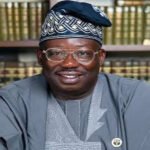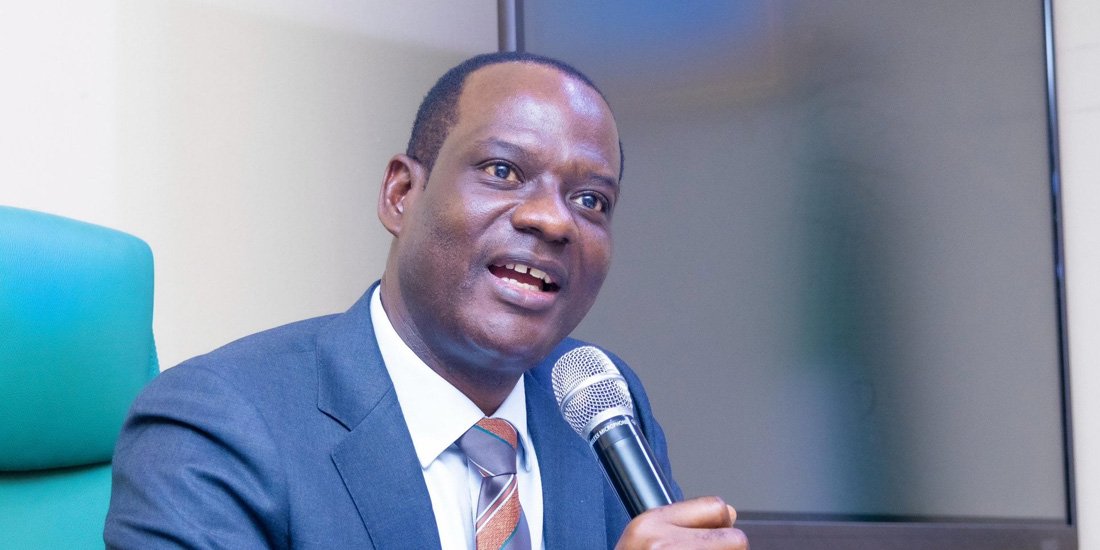
Minister of Finance and Coordinating Minister of the Economy Taiwo Oyedele has warned that Nigeria’s drive toward sustainable growth cannot be built on what he called fiscal illusion, defending the Tinubu administration’s toughest economic decisions, fuel subsidy removal, exchange rate unification and comprehensive tax reform, as necessary steps even though they carried real, immediate costs for households and businesses.
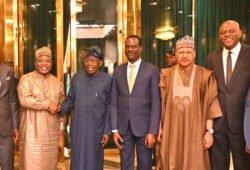
Inaugurating a new Ministerial Advisory Committee chaired by Sterling Bank Managing Director Abubakar Suleiman in Abuja, Oyedele said government’s priority has now shifted from implementing reforms to delivering outcomes Nigerians can actually feel. It is one thing to change policy, he said, it is quite another to translate that change into outcomes that Nigerians can feel, arguing that reform’s success should be measured not by the number of policies announced or macroeconomic indicators cited, but by tangible results: jobs created, inflation declining, the naira stabilising, businesses investing with confidence, and ultimately, lives improved.
Oyedele described the new committee as a platform for institutionalising independent thinking, evidence based policymaking and stronger collaboration between government and the private sector, calling it a public policy private partnership meant to connect ideas with implementation. He warned that Nigeria’s fiscal environment remains constrained and complex, and that policy decisions made without rigorous analysis often create new problems while solving old ones, since the natural instinct in government is to act quickly, announce progress and move to the next initiative. The committee, he said, will provide independent external advice capable of catching vulnerabilities before they become crises, bring in international best practice, and assess how reforms are actually landing on businesses and communities, focusing on four areas: economic policy advisory, public financial management, economic coordination, and translating reform into practical results. He reaffirmed government’s commitment to seven percent annual growth and a one trillion dollar economy, stressing that ambition of that scale demands bold thinking and policy rooted firmly in economic reality, alongside better revenue generation, spending priorities, responsible borrowing and transparent fiscal reporting to strengthen investor and public confidence, all of which requires effective coordination among federal institutions, states and the organised private sector. A reform that looks flawless on paper but fails to improve conditions for Nigerian businesses is not reform, he said, it is disguised bureaucracy.
Addressing committee members serving on a pro bono basis, Oyedele urged them to challenge government’s assumptions rather than simply endorse predetermined positions. Ground your advice in hard evidence, not intuition, populism or political convenience, he told them, we do not need this committee to validate what has already been decided, we need you to tell us the truth, even when it is uncomfortable, urging them to translate complex economic issues into practical recommendations while staying connected to the realities facing manufacturers, exporters, entrepreneurs and ordinary Nigerians, since the best advice in the world is worthless if it cannot be understood and acted upon by those who need it most.
Responding on the committee’s behalf, Suleiman pledged practical, implementable, evidence driven recommendations rather than theoretical papers, saying members understand their job is not to duplicate work already underway inside the ministry or produce academic reports, but to surface fresh ideas government may not have time to develop. Our job is to free you to keep running the ministry and coordinating the economy while we think about new ideas, different approaches, and issues that may not yet be on the table, he said, pledging the committee would avoid rehashing issues government already understands and would instead work to understand policy realities before offering recommendations focused on solutions that are practical, executable and capable of producing results quickly. He said the committee would also serve as a bridge between policymakers and ordinary Nigerians, gathering honest feedback from farms, factories and communities nationwide. We will listen beyond the noise and understand where people are truly feeling the pain, which policies are working and where adjustments are needed, he said, we will bring those realities back to you in a way that supports better decision making.
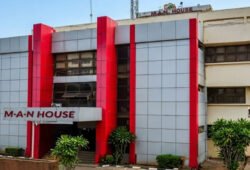
Committee members include Capital Market Professor Uche Uwaleke, Economic Associates Chief Executive Ayo Teriba, Lagos Chamber of Commerce and Industry Director General Chinyere Almona, Preston Consults Limited Managing Director Vincent Nwani, Nigeria Sovereign Investment Authority Independent Non Executive Director Suleyman Ndanusa, Nigerian Economic Society President Baba Yusuf Musa, Chalms Holding Company Chairman Segun Olaketuyi, Avante Consultants and Advisors Co founder Jide Adeola, KPMG Africa Practice Lead Dimeji Salaudeen, NACCIMA President Jani Ibrahim, Manufacturers Association of Nigeria Director General Segun Ajayi Kadri, Deloitte West Africa Chief Economist Damilola Akinbami, and Development Bank of Nigeria Chief Economist Professor Joseph Nnanna.