The ECOWAS Parliament has called on West African governments to prioritise creating decent, sustainable jobs for young people, warning that unemployment and shrinking economic opportunity continue fuelling irregular migration and human trafficking across the region.
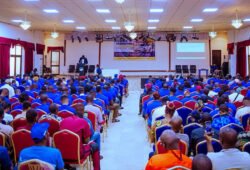
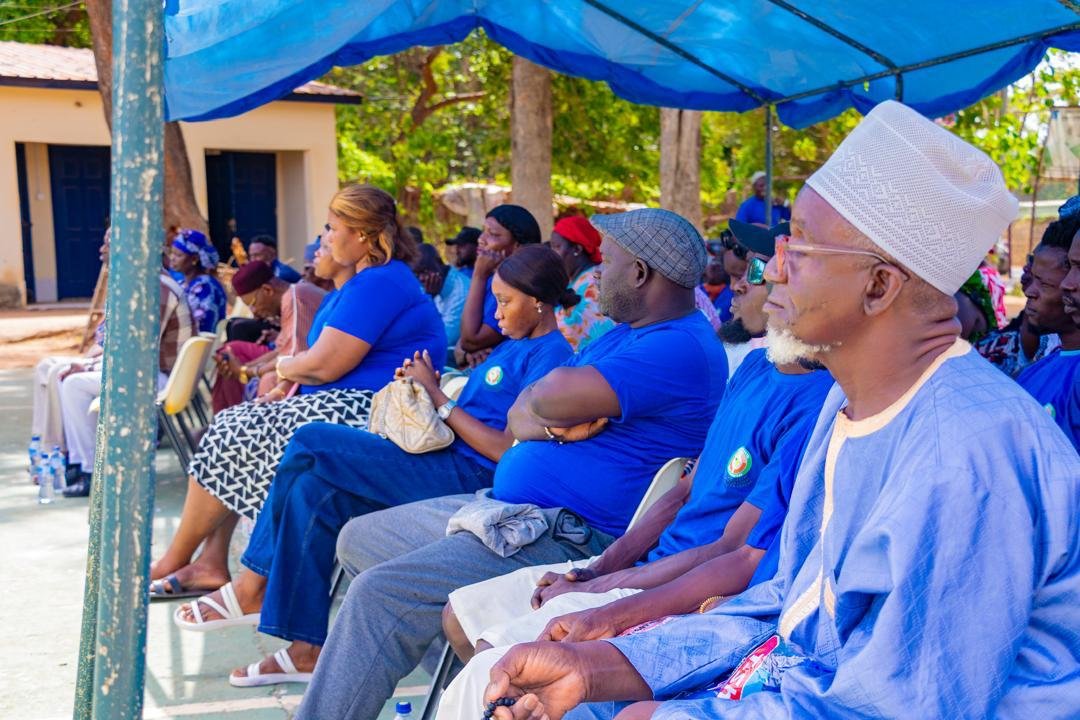
The call followed a week long citizen engagement in The Gambia, where parliamentarians met with young people, returnees, community leaders and other stakeholders to identify the root causes of irregular migration and propose solutions. Presenting the engagement’s findings, delegation head Billay Tunkara said participants overwhelmingly pointed to unemployment, underemployment, low incomes, inadequate access to education and vocational training, and limited economic opportunity as the primary drivers pushing young people into dangerous migration journeys, with many convinced that opportunities at home offer no realistic path to prosperity, reinforcing the belief that migrating abroad, often through irregular routes, is the only viable option for a better future. The report also identified family expectations, peer influence and social media as powerful drivers, with migrants’ overseas success stories encouraging more young people to attempt risky journeys despite widespread awareness of the dangers involved, while testimonies from returnees and survivors described deception, forced labour, exploitation, abuse, detention, family separation and severe psychological trauma, experiences the Parliament said survivors could use to discourage others if given the platform to share them.
Beyond awareness campaigns, lawmakers said governments must invest directly in vocational education, entrepreneurship, agriculture and access to finance to meaningfully reduce migration pressure, alongside stronger reintegration programmes for returnees covering psychosocial support, skills training, livelihood assistance and community acceptance. The Parliament’s recommendations included expanding investment in technology and vocational training centres, strengthening cross border cooperation against smuggling and trafficking, improving intelligence sharing, deploying modern border surveillance equipment, and widening access to affordable financing for young entrepreneurs. For The Gambia specifically, it urged speedy passage and implementation of the country’s immigration bill alongside greater investment in communities most affected by irregular migration through job creation and development. The Parliament also appealed to traditional rulers, religious leaders, civil society, families and the media to intensify public awareness campaigns, discourage financing of irregular migration, and promptly report suspected smuggling and trafficking cases to authorities, recommending that citizen and student engagement of this kind become a standing practice across member states to strengthen parliamentary oversight and ensure such consultations continue shaping migration governance, regional integration and human security policy. The report is due for debate during the Parliament’s ordinary session before being sent to relevant ECOWAS institutions for implementation if adopted.